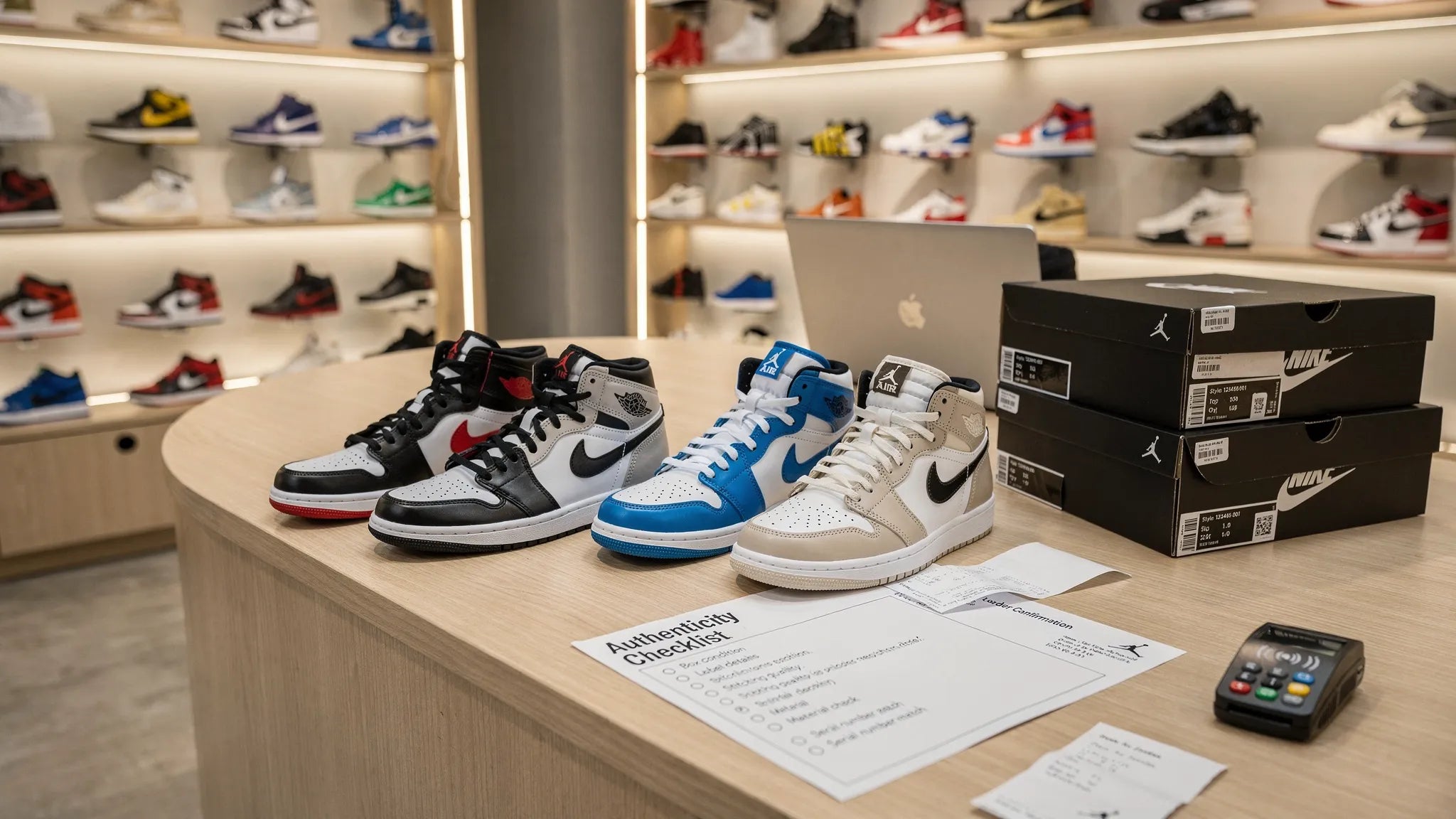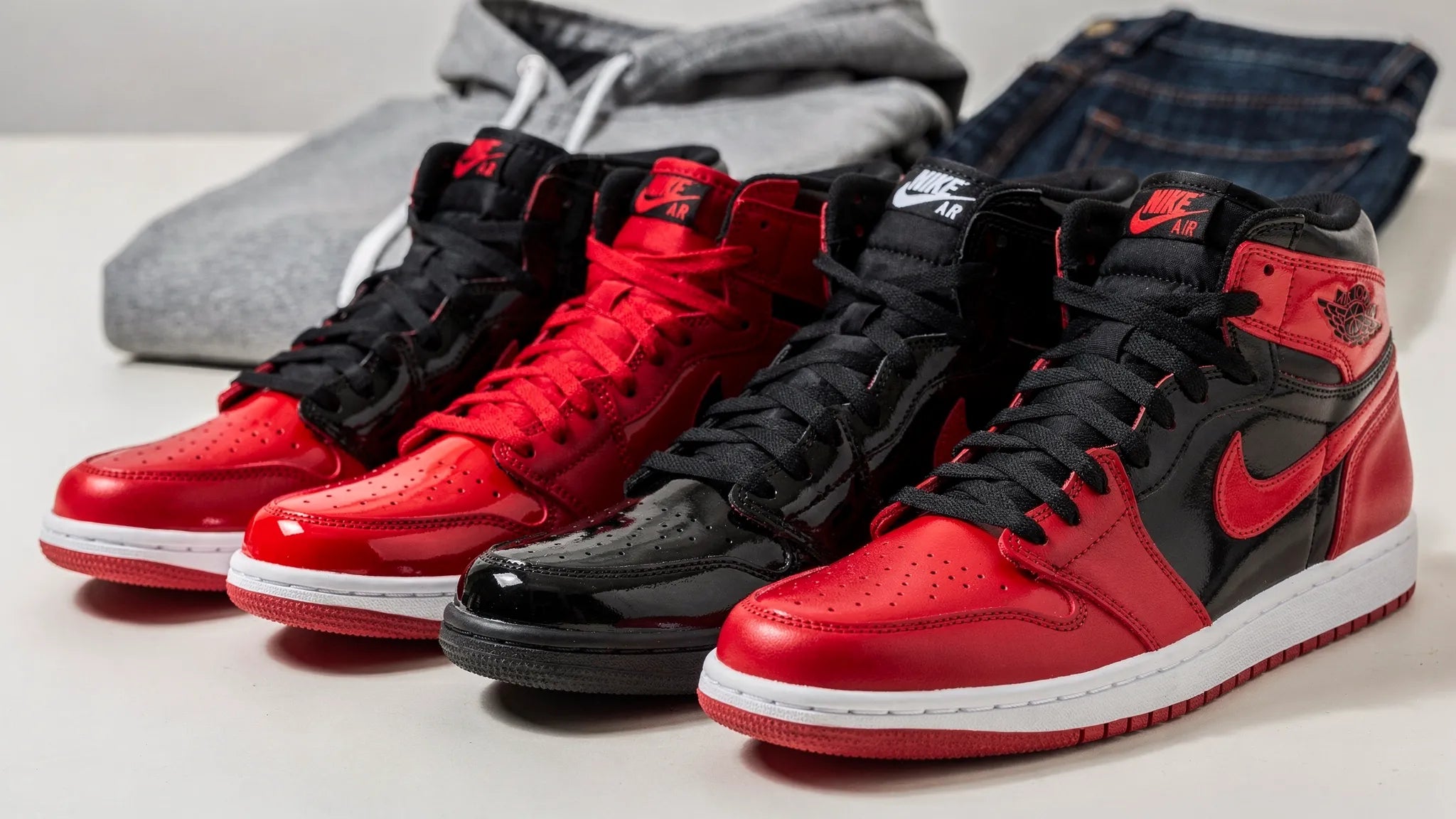
Is an Air Jordan Website Legit? 10 Checks NZ Buyers Need
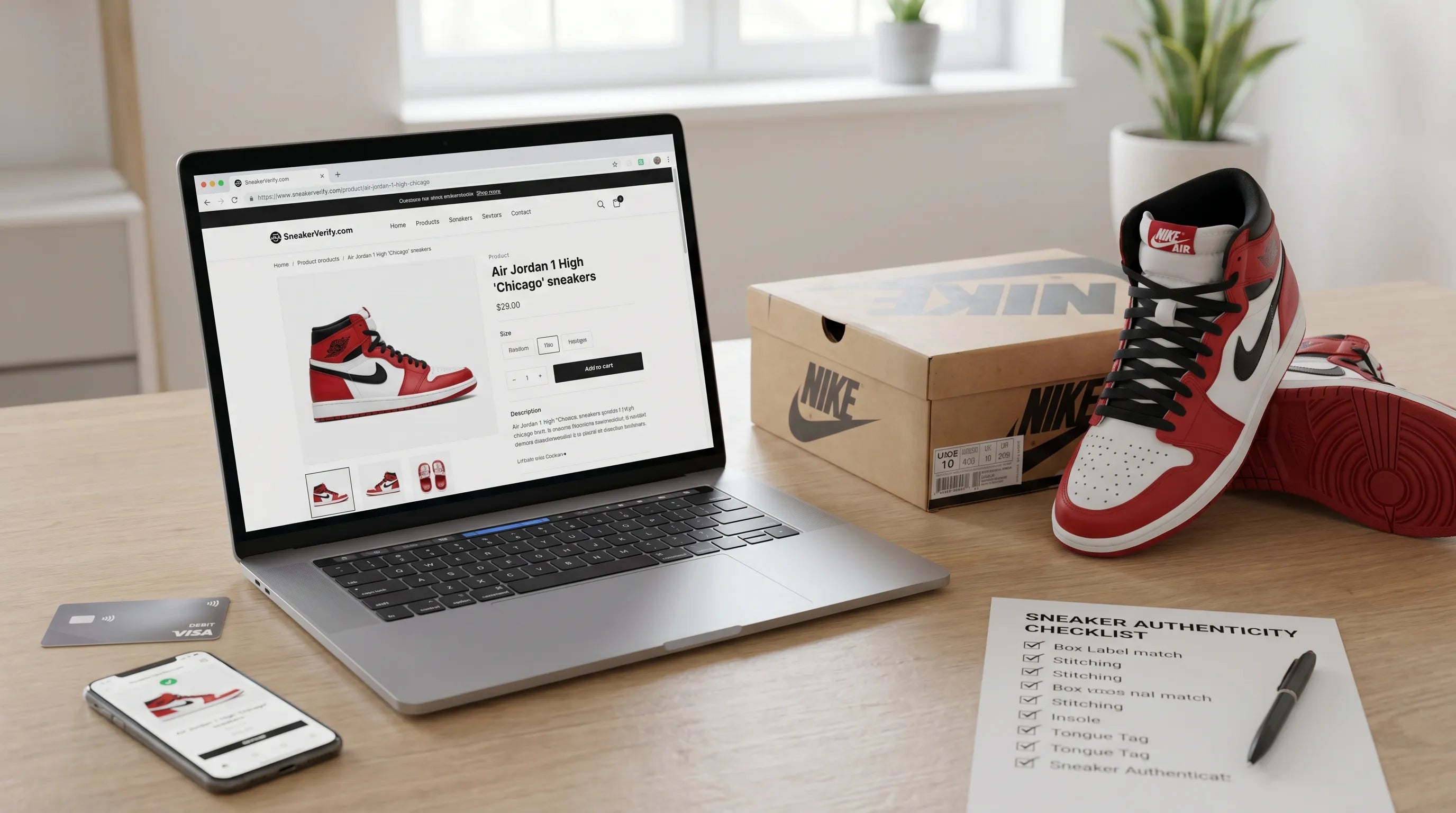
Fake sneaker websites have become polished enough that a clean homepage, a padlock icon, and a few product photos are no longer enough. If you are asking, “is this Air Jordan website legit?”, the right answer is not based on one clue. It comes from stacking several checks together before you enter your card details.
For New Zealand buyers, the stakes are a bit higher. You may be dealing with international shipping, GST, delayed returns, different consumer protections, and prices shown in another currency. A site can look convincing, but still sell fakes, hide fees, or disappear after payment.
Use the 10 checks below before buying Jordans online, especially limited edition sneakers, high-demand collaborations, or prices that look too good to be true.
What “legit” actually means for an Air Jordan website
A legit Air Jordan website should pass three tests. First, the seller should be a real business or clearly identifiable trader. Second, the product should be accurately represented, including model, condition, size, SKU or style code where available, and photos. Third, the checkout should protect you with transparent shipping, returns, and secure payment options.
Not every legitimate seller is an official Nike retailer. Some sites are resale specialists, consignment stores, or sneaker boutiques selling sold-out pairs. That is normal in the Jordan market. The question is whether the seller is transparent enough for you to verify what you are buying.
If you want a deeper product-level guide, BigBoiSneakers also has a practical NZ guide on buying authentic Jordans online. This article focuses specifically on checking the website before you pay.
Quick scorecard: green flags vs red flags
| Check | Green flag | Red flag |
|---|---|---|
| Website URL | Clean domain, no brand impersonation | Misspellings, extra words, odd extensions |
| Business details | Clear contact info and business identity | No address, no name, only a form |
| Product details | Exact model, size, condition, SKU or style code | Generic titles and vague descriptions |
| Photos | Real product photos or clearly labelled stock images | Stolen images, blurry photos, no box label |
| Price | Believable resale or sale pricing | Rare pairs at huge discounts in every size |
| Shipping | Clear NZ delivery cost and timeframe | No tracking, vague “worldwide shipping” claims |
| Returns | Written return policy before checkout | No returns page or hidden conditions |
| Payment | Credit card or recognised protected checkout | Bank transfer, crypto, or “friends and family” only |
| Reviews | Specific, recent, verifiable feedback | Only perfect generic reviews |
| Checkout behaviour | Secure, consistent, professional | Pop-ups, pressure timers, changing totals |
1. Check the URL before the homepage
Start with the web address, not the design. Scam sites often use domains that look close to trusted names, such as extra hyphens, swapped letters, or phrases like “official”, “clearance”, “warehouse”, or “outlet” added to a famous brand name.
A padlock icon matters because it shows the connection is encrypted, but it does not prove the seller is legitimate. Fake sites can use HTTPS too. Look at the full URL, then search the business name separately in Google instead of clicking only through social ads.
For extra confidence, you can check domain information through ICANN Lookup. A very new domain is not automatically a scam, but if a site claims to be a long-running Jordan store and the domain was created last week, treat that as a warning sign.
2. Verify the seller’s business identity
A real sneaker store should make it easy to identify who you are buying from. Look for a contact page, physical location if relevant, support email, business name, and clear store policies. For New Zealand sellers, you can also search the business name on the NZ Companies Register if they trade as a registered company.
Be careful with websites that only provide a contact form and no other details. Also be cautious if the footer says one country, the shipping page says another, and the return address is somewhere else entirely. International stores are not automatically unsafe, but the seller should be upfront about where the order ships from and who handles support.
If the website claims to be “NZ based” but all prices, shipping times, language, and policies suggest otherwise, pause before buying.
3. Match the Air Jordan model, colourway, and SKU
Legit product pages usually describe the shoe properly. For example, a strong listing might include the model name, colourway, release year, size, condition, box status, and style code. Many Nike and Jordan products use a style code format like DZ5485-612, with the numbers after the hyphen usually identifying the colour code.
You do not need to be a sneaker historian to do this check. Copy the style code or exact product name into a search engine and compare it with trusted sneaker databases, major retailers, or Nike release information where available. The colourway, photos, and product title should all line up.
Be careful with vague names like “Jordan High Red Black Premium Sneaker” for a high-value pair. Some sellers use lazy titles, but fake sites often avoid exact details because the pair does not match any real release.
4. Inspect the photos like a buyer, not a fan
Photos are one of the fastest ways to spot trouble. A legitimate Air Jordan website should show enough visual information for you to understand what you are buying. For brand-new general stock, official product images can be acceptable, but higher-value resale pairs should ideally include real photos or very clear condition notes.
Look for angles that show the toe box, heel, outsole, tongue, logos, stitching, box label, and size tag where relevant. Compare the shape and materials with known photos of the same release. If a site uses the same stock image for every size and condition, that is not always a scam, but it gives you less evidence.
For rare collaborations, ask yourself a simple question: would a real seller of a high-value pair avoid showing the actual product? If the answer feels wrong, it probably is.

5. Sanity-check the price against the market
Price is not proof, but it is one of the strongest signals. Air Jordans can go on sale, and some pairs drop below retail when demand cools. But rare Travis Scott, Off-White, Dior, or limited Jordan 4 releases do not usually appear in every size at massive discounts.
Compare the listed price with recent sold prices, not just asking prices. Marketplaces, reseller stores, auction results, and local NZ listings can all help you understand the rough range. If every other seller is asking $600 to $1,000 and one website offers the same shoe for $149 with unlimited sizes, assume risk until proven otherwise.
For NZ buyers, always calculate the real landed cost. NZ GST is 15%, and imported orders can involve GST, duty, clearance fees, or collection at checkout depending on the seller and order value. The New Zealand Customs Service explains how duty and GST can apply to imported goods.
6. Read the shipping and returns pages before adding to cart
Do not wait until something goes wrong to check the policy. A legitimate sneaker website should explain shipping costs, estimated timeframes, tracking, delivery regions, return eligibility, and what happens if an item arrives damaged or misdescribed.
For New Zealand businesses, consumer rights under the Consumer Guarantees Act and Fair Trading Act can apply when goods are faulty, misleadingly described, or not fit for purpose. The Commerce Commission has plain-English information on consumer rights in NZ. Overseas sellers may be harder to deal with, even if your claim is valid.
Watch for return policies that sound generous on the product page but become restrictive in the footer. Also be careful if the store says “all sales final” on every item, especially while making strong claims about authenticity and condition.
7. Use payment methods that give you leverage
A legit site should offer secure, recognised payment methods. Credit cards and established payment processors usually give buyers more options if an item never arrives or is not as described. The exact protection depends on your bank, card provider, and payment platform, but protected payments are still far safer than irreversible transfers.
Avoid sellers who push you to pay by bank transfer, cryptocurrency, gift cards, or “friends and family” payments to avoid fees. Those methods are popular with scammers because they reduce your ability to dispute the transaction.
Before paying, check that the checkout domain still matches the store or a recognisable payment provider. If the site suddenly redirects to an unrelated payment page with a different business name, stop and investigate.
8. Test customer support with a specific question
A quick message can reveal a lot. Ask something specific, such as whether the pair comes with the original box, whether the photos are of the exact pair, how long NZ delivery takes, or whether the listed size is US men’s, US women’s, or youth sizing.
Good sellers usually answer clearly, even if they take a little time. Scam sites often reply with generic copy-paste lines, avoid direct answers, or pressure you to buy immediately because “only one left”.
This check is especially useful for high-value Jordans. If you are about to spend serious money on a limited release, the seller should be able to answer basic questions about the product and order process.
9. Read reviews like a skeptic
Reviews are useful, but only if they look real. Look for details: model names, delivery experience, sizing comments, packaging, returns, or customer service. A review saying “great shoes, fast delivery to Auckland” is more useful than twenty identical five-star reviews saying “perfect product”.
Search outside the website too. Check Google results, social media comments, Reddit discussions, Trustpilot where relevant, and local sneaker communities. One unhappy review does not prove a store is bad, but patterns matter. Repeated complaints about fake pairs, no tracking, ignored emails, or refund delays are serious warnings.
Also check whether the site’s social media activity matches its claims. A store claiming thousands of happy NZ customers but showing no real engagement, no tagged buyers, and no history is worth checking more carefully.
10. Watch the checkout experience and website behaviour
Scam sites often rely on urgency. Countdown timers, “90% off today only”, spinning discount wheels, and pop-ups saying someone in Wellington just bought the same pair can all be used by legitimate marketers, but on sneaker scam sites they often appear alongside other red flags.
Look for inconsistent pricing, sudden extra fees, broken policy links, poor spelling across key pages, copied brand text, and product pages that appear duplicated hundreds of times. If the checkout total changes unexpectedly or the currency switches without explanation, stop before paying.
A good Air Jordan website should make the buying process feel clear, not rushed. You should understand what you are buying, what it costs, when it should arrive, and what your options are if something goes wrong.
What if the website passes some checks but not all?
Most real-world buying decisions are not perfectly clean. A newer seller might have limited reviews but strong product photos and responsive support. A major overseas marketplace might have strong buyer protection but higher landed costs. The goal is to decide whether the risk matches the price and your comfort level.
| Risk level | What it looks like | Smart move |
|---|---|---|
| Low | Clear identity, fair price, protected payment, good policies | Buy if the pair and sizing are right |
| Medium | Some missing details, but responsive support and safe payment | Ask more questions or start with a lower-value order |
| High | Unreal price, vague seller, weak photos, risky payment | Walk away |
| Extreme | Brand impersonation, pressure tactics, no real contact info | Do not enter payment details |
If you are unsure, choose the safer option. Saving $80 does not matter if the shoes never arrive or turn out to be fake.
Check the pair again when it arrives
Even after buying from a website that looks legit, inspect the shoes as soon as they arrive. Record an unboxing video before opening the parcel if the pair is expensive. This gives you evidence if the box is damaged, the wrong size arrives, or the product does not match the listing.
A simple arrival check should cover:
- The box label, size, SKU or style code, and colourway
- The shoe shape, stitching, logos, materials, and outsole
- The condition compared with the listing photos
- The invoice, order confirmation, and tracking details
- Any odour, glue marks, damage, missing accessories, or swapped laces
For a more detailed sneaker inspection process, see BigBoiSneakers’ Australia and NZ guide on how to tell if sneakers are real or fake.
Where BigBoiSneakers fits for NZ buyers
If you want to reduce uncertainty, buying from an established sneaker store in New Zealand can make the process simpler. BigBoiSneakers offers authentic sneakers, streetwear, collectibles, secure payment options, detailed size guides, customer reviews, and free NZ shipping, with international shipping options also available.
That does not mean you should stop being a smart buyer. You should still check sizing, read product details, compare prices, and understand return conditions before purchase. But buying from a local store can make communication, shipping expectations, and follow-up support easier than dealing with an unknown overseas site.
You can start at BigBoiSneakers to browse current Air Jordan, Nike, Yeezy, streetwear, and collectible options.
Frequently Asked Questions
How can I quickly tell if an Air Jordan website is legit? Check the URL, business identity, product details, photos, price, shipping policy, return policy, payment methods, reviews, and checkout behaviour. One green flag is not enough. A legit site should look consistent across all of these areas.
Are cheap Air Jordans online always fake? No. Some Jordans go on sale or sell below retail, especially less-hyped pairs or used pairs. The red flag is an unrealistic price on rare or limited pairs, especially when every size is available and the seller gives little product detail.
Is it safer to buy Jordans from an NZ website? Often, yes, because shipping is clearer and local consumer support may be easier. However, you should still verify the store, product details, payment options, and return policy before buying.
What payment method is safest for buying Air Jordans online? A credit card or recognised protected checkout is usually safer than bank transfer, crypto, gift cards, or friends-and-family payments. If something goes wrong, protected payments may give you dispute options.
What should I do if I think I bought from a scam sneaker website? Contact your bank or payment provider immediately, save screenshots, emails, tracking details, and receipts, and avoid sending more money. In New Zealand, you can also report online scams through Netsafe.
Shop Jordans with fewer question marks
The safest Jordan purchase is the one where the website, product, price, payment, and policies all make sense together. Before you buy, run the 10 checks above and trust the pattern, not the hype.
Ready to shop with a New Zealand sneaker store focused on authentic pairs? Visit BigBoiSneakers to explore Air Jordans, Nike sneakers, streetwear, Pokémon cards, collectibles, and new arrivals.