
ASICS Gel Kayano Guide: Fit, Comfort and Best Uses
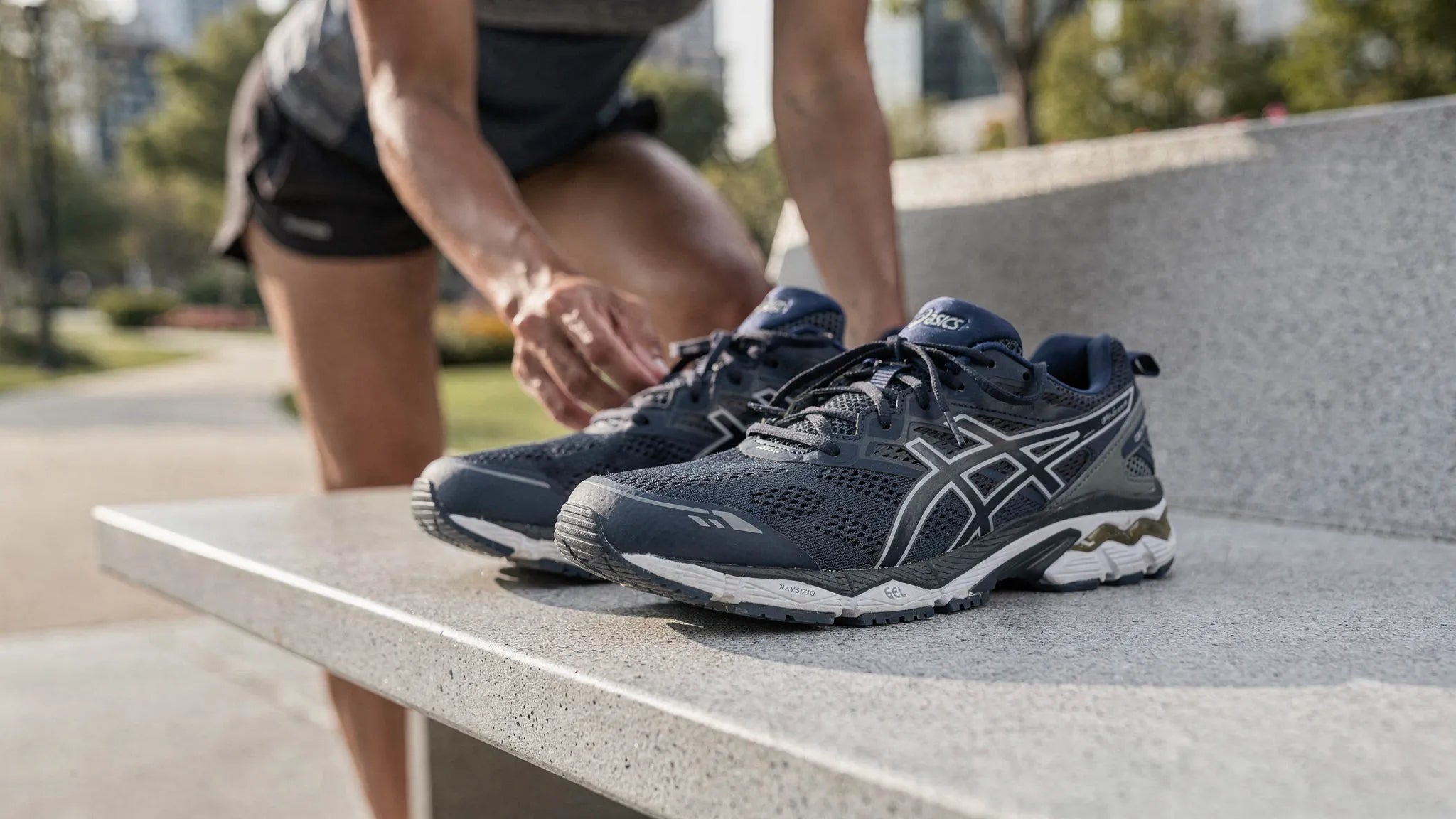
If you’re looking at the ASICS GEL-Kayano, you’re usually trying to solve a very specific problem: you want a shoe that feels plush underfoot, but also keeps your stride feeling stable and supported. The good news is that the Kayano has earned its reputation as a comfort-forward stability trainer, the tricky part is choosing the right size and knowing when it’s the best tool for your routine.
This guide breaks down fit, comfort, and the best uses for the ASICS Gel Kayano so you can buy with confidence (especially if you’re ordering online in New Zealand).
What the ASICS GEL-Kayano is (and who it’s built for)
The GEL-Kayano is best known as ASICS’ premium stability running shoe. In plain English, it’s designed to help runners and walkers who want:
- A stable platform that helps reduce “wobbly” side-to-side feeling
- Plenty of cushioning for longer sessions
- A secure, structured upper that holds the midfoot in place
It’s commonly recommended for people who overpronate (the foot rolls inward more than average), but plenty of neutral runners wear Kayanos simply because they like a stable, confident ride.
Quick buyer checklist
If any of these sound like you, the Kayano is often a smart pick:
- You want an “easy mode” daily shoe for steady runs and walking
- You’re on your feet a lot and prefer a supportive feel
- You’ve tried softer neutral shoes and wanted more guidance
ASICS Gel Kayano fit guide: sizing, width, and how it should feel
Fit is where most people get stuck, because “true to size” means different things depending on foot shape and how you use the shoe.
How the Kayano should fit (the feel you’re aiming for)
A good Kayano fit usually feels like:
- Heel: locked-in with minimal slip
- Midfoot: secure and supported (snug, not squeezing)
- Toe box: enough room to wiggle toes, and enough length so toes do not hit the front on downhills
A simple rule of thumb many runners use is a thumb’s width of space between your longest toe and the end of the shoe. It’s not perfect for everyone, but it’s a reliable starting point for most people.
Sizing starting point
Most buyers start with their usual running shoe size, then adjust based on foot width, socks, and whether they use orthotics.
If you’re between sizes:
- Consider sizing up if you have wider feet, prefer thicker socks, or want more toe room for walking and travel.
- Consider staying with your usual size if you have narrower feet and want a more performance-snug lockdown.
Fit adjustments by foot type
| Foot type or need | What to try first | What to check when you try them on |
|---|---|---|
| Wide forefoot | Consider going up half a size, or look for wide (if available) | Toes can splay naturally, no pressure on the little toe side |
| Narrow heel | Usual size, focus on lacing | Heel does not lift when walking up stairs |
| High instep | Usual size, loosen midfoot laces slightly | No “pinching” or lace bite over the top of the foot |
| Orthotics | Consider half size up if your orthotic is thick | Heel still sits deep, arch support does not feel jammed |
| Walking all day | Slightly more length often feels better | Toes never touch the front after 30+ minutes |

Comfort breakdown: cushioning, stability, and upper feel
Comfort is why the Gel Kayano has such a loyal fanbase. But “comfort” isn’t just softness, it’s the combination of cushioning, stability, and how the upper holds your foot.
Underfoot cushioning
The Kayano is built to feel protective, especially over longer distances or harder surfaces like footpaths and roads. If you tend to get beat up by high-impact runs, a cushioned stability shoe can make daily training feel more manageable.
Stability and support (what you’ll notice when you walk or run)
Stability elements in shoes are designed to guide the foot so each step feels more controlled. In practice, many people notice:
- A more planted feel on uneven footpaths
- Less fatigue in the feet and lower legs during long walks
- More confidence when cornering or changing direction
If you strongly prefer a totally “free” and flexible ride, the Kayano can feel a bit structured. That is not a flaw, it’s the point of the model.
Upper and step-in feel
Most Kayano wearers look for a “hug” through the midfoot and a comfortable collar around the ankle. If you feel pressure across the top of the foot, try adjusting your lacing before you change sizes, lacing can drastically change comfort.

Best uses for the ASICS Gel Kayano
The Kayano is versatile, but it’s not meant to be your best shoe for every type of training. Here’s where it shines.
| Use case | Why the Kayano works well | Potential downside |
|---|---|---|
| Everyday running (easy miles) | Stable and cushioned, ideal for repeat wear | Can feel heavier than speed-focused trainers |
| Long runs at comfortable pace | Protective platform helps reduce late-run fatigue | Not as “snappy” as plated or tempo shoes |
| Walking and travel | Supportive, comfortable for long days on foot | Bulkier look if you want a slim lifestyle silhouette |
| Standing all day | Structure can feel better than soft casual sneakers | Warmth, depending on upper and season |
| Treadmill | Stable ride, predictable transitions | Overkill if you only do short sessions |
A quick NZ-specific note
If you’re in Aotearoa and you walk on wet footpaths a lot (winter commuting, school runs, city walking), traction and durability matter. A road running shoe like the Kayano is usually built for asphalt and concrete, but you’ll still want to keep an eye on outsole wear if you’re using it as an everyday beater.
When the Kayano might not be the right pick
The ASICS Gel Kayano is a great option, but it’s not always the best match.
Choose a neutral cushioned runner if you want “soft and free”
If your feet do not need guidance and you mainly want softness, a neutral max-cushion shoe can feel more natural.
Choose a lighter daily trainer if you want speed
If you’re training for intervals, tempo runs, or you just like a lighter feel, a stability flagship can feel like too much shoe.
Choose a lifestyle runner if your goal is mostly style
If you like ASICS mainly for the fashion and streetwear vibe, you might prefer lifestyle-leaning silhouettes (ASICS has plenty of those), rather than a performance stability trainer.
How to test Gel Kayano fit at home in 5 minutes
When your shoes arrive, do this before you wear them outside:
- Put them on with the socks you’ll actually use most.
- Lace them snug, then walk up and down a hallway and do a few stair steps.
- Check toe room by pressing the upper at the front, your longest toe should not be jammed.
- Do a 20 second jog in place, heel slip and forefoot squeeze show up fast.
- If something feels “off,” try a lacing adjustment first, then consider a size change.
Buying tips: getting the right pair (and avoiding fakes)
Because popular shoes get counterfeited, it’s worth sticking to reputable retailers and learning a basic inspection routine.
For practical, AU and NZ-focused checks, see BigBoiSneakers’ guide on how to tell if your sneakers are real or fake. Once your pair arrives, a quick unboxing video and a careful look at the size label, stitching, and overall finish can save a lot of headaches.
After you’ve got the fit right, keep them in good condition with the cleaning basics in how to clean and care for your sneakers so they last longer. That matters for comfort too, worn-out insoles and clogged mesh can change how a shoe feels.
Frequently Asked Questions
Is the ASICS Gel Kayano good for walking? Yes. The Kayano is popular for walking because it combines cushioning with a stable, supportive feel. Many people like it for travel and all-day wear.
Does the ASICS Gel Kayano run true to size? Many buyers start true to size, then adjust based on foot width and preferences. If you’re between sizes, consider sizing up for toe room, thicker socks, or orthotics.
Is the ASICS Gel Kayano only for overpronators? No. It’s designed with stability in mind, but neutral runners and walkers also wear it if they prefer a more guided, planted ride.
Can I use the Gel Kayano as my only running shoe? For many people, yes, especially if most runs are easy or long and you value comfort and support. If you do lots of speed sessions, you might add a lighter shoe later.
How do I know if I need a stability shoe like the Kayano? Signs include feeling unstable in softer shoes, ankles collapsing inward, or consistently wearing down the inside edge of your outsole. For persistent pain or injuries, a podiatrist or physio can help assess gait and needs.
Shop authentic ASICS styles in NZ with confidence
If you’re ready to lock in a pair, you can explore authentic sneakers and streetwear at BigBoiSneakers. Use the site search for “GEL-Kayano,” check the size guides, and shop with secure payment options and free NZ shipping on eligible orders.