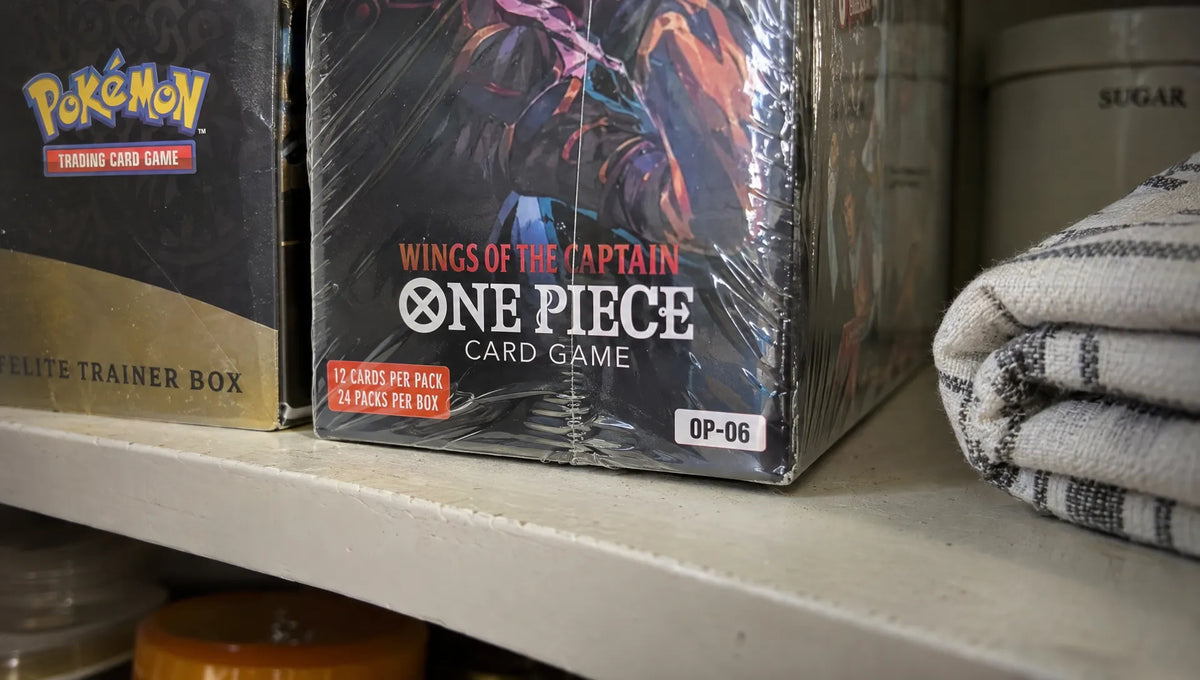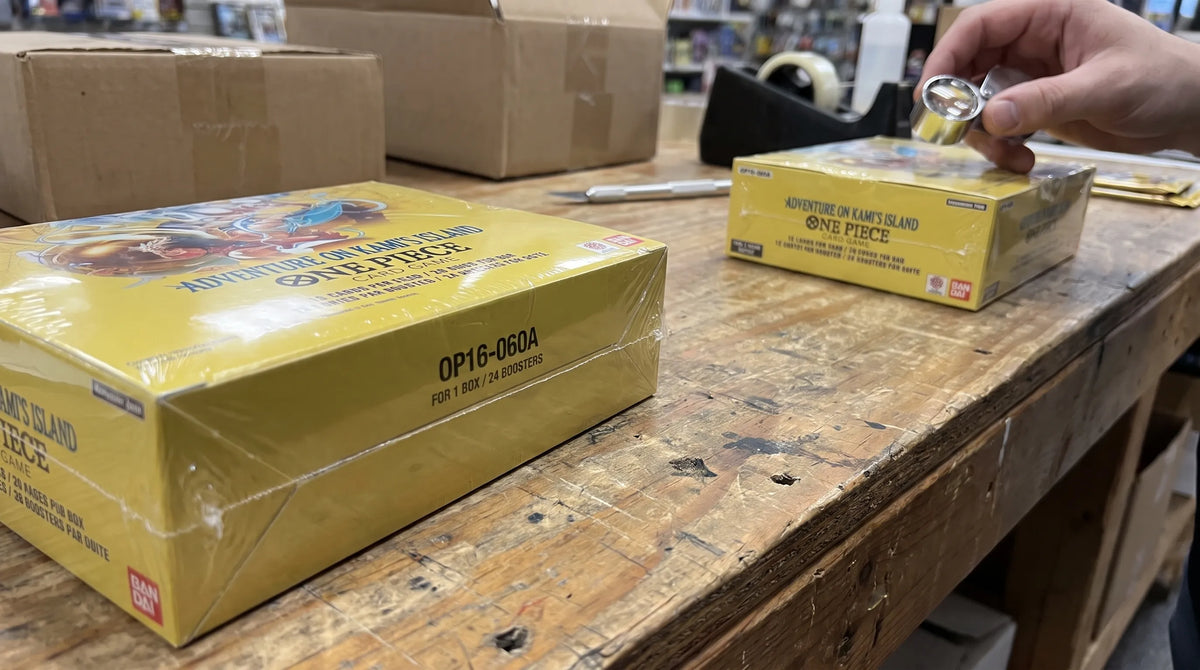
Bandai One Piece TCG Guide to Booster Boxes, Decks and Packs
The Bandai One Piece TCG gives fans several ways to get into the game, but a starter deck, booster pack and sealed booster box serve different purposes. For New Zealand buyers, the language, regional edition and stock status matter just as much as the characters on the packaging.
Officially called ONE PIECE CARD GAME, this is Bandai’s physical trading card game, not a console or mobile release. You can build decks for organised play, collect favourite characters or enjoy opening packs. This guide explains how to compare products, check a listing and move from buying cards to playing locally.
Compare starter decks, booster packs and booster boxes
Start with what you want the purchase to do. A product designed to introduce the game is different from one designed to expand a collection.
| Product format | What you are buying | Best suited to | What to check |
|---|---|---|---|
| Starter deck | A preconstructed deck with a published contents list | Learning the rules and trying a defined strategy | Included cards, DON!! cards and any accessories |
| Booster pack | A small selection of random cards from a release | Opening a few packs without buying a full box | Set code, language and cards per pack |
| Booster box | A sealed display containing multiple booster packs | Opening more of a particular release or collecting sealed products | Pack count, regional edition and sealed condition |
| Premium or special collection | A product with its own specified contents | Collecting particular cards, artwork or accessories | Whether cards are fixed, random or a mixture |
For a first Bandai One Piece TCG purchase intended for play, a suitable starter deck is more practical than a handful of random boosters. Check its contents rather than assuming every deck includes identical extras.
A booster box is not a ready-to-play deck. It can provide cards for several strategies, including cards that do not work together. Likewise, a premium presentation does not automatically make a collection a better gameplay purchase.
Read the set code, language and product format together
A set name alone is not enough to identify what is being sold. Read the product title alongside the specifications and packaging photographs.
What the product codes tell you
Codes such as OP-10 and OP-12 identify particular main booster releases. You will also encounter prefixes such as ST for starter decks, EB for extra boosters and PRB for premium boosters. These distinguish product families, but the code does not replace the full contents description.
Do not assume that a higher set number means better value, a stronger deck or immediate availability in New Zealand. Release timing, card selection and regional distribution are separate considerations.
When comparing Bandai One Piece TCG listings, match the set code first, then check the language and box configuration. Two listings with the same expansion name can still represent different regional products.
English and Japanese editions are different purchases
New Zealand buyers should start with Bandai’s official English-language site for English product information and check announcements that apply to Oceania. The Japanese site covers a different release programme, so a Japanese announcement is not confirmation of an English NZ release date.
English cards are the usual choice for English-language organised play in New Zealand. If you intend to enter an event, confirm its current language and card-legality requirements before buying. Japanese cards can suit collectors, but should not be treated as automatic substitutes for an English tournament deck.
Pack counts and cards per pack can differ between editions and product types. Compare the actual contents, not just the size or appearance of the display box.
Two booster box listings that show why details matter
The Bandai One Piece Card Game Royal Blood OP-10 English booster box identifies both the expansion and the English edition. It is a relevant option to investigate if you want to open Royal Blood specifically. Before ordering, confirm the listed contents, stock status and delivery information.
The 2025 Bandai One Piece Legacy of the Master Booster Box (OP-12) is described as a Japanese-language product. That distinction matters more than its position later in the numbered series if your aim is to obtain cards for English-language play.
These Bandai One Piece TCG products illustrate why “which box is better?” needs a purpose attached. For an English collection, language may decide the purchase. For a character-focused collection, the set’s card list may matter more. Neither box should be bought on the assumption that it guarantees a particular rare card or a complete deck.
Check Bandai One Piece TCG stock and preorder status
A product page can exist well before stock is ready to dispatch. Search results and collection-page previews can also lag behind the information shown on the live listing.
Before paying, check these details together:
- Availability: Is the item in stock, sold out, available for preorder or awaiting a restock?
- Dispatch timing: Is there an estimated shipping date, rather than only a release date?
- Regional release: Does the date refer to the English edition, Japanese edition or another market?
- Order terms: What happens if the release is delayed, and will mixed orders wait for the preorder item?
- Seller details: Are contact information, delivery terms and returns information easy to find?
For a Bandai One Piece TCG preorder, distinguish release date from dispatch date. A release date describes when the product launches in the relevant market; it does not guarantee when a particular retailer will receive or send your order.
If the wording is unclear, ask the retailer to confirm the language, sealed condition and expected dispatch window in writing. Treat packaging photographs as supporting information, not a substitute for a clear product description.
Compare the total cost of buying locally and importing
An overseas box can look cheaper until shipping and payment charges are included. A useful comparison is:
Total landed cost = item price + shipping + currency conversion costs + applicable GST and import charges.
Check whether GST is already included or collected at checkout so you do not count it twice. Higher-value imports can also involve border charges and clearance costs. Use New Zealand Customs’ online shopping guidance to check the rules relevant to your order.
Local and overseas options should be compared on equivalent terms: the same set, language, pack configuration and condition. A cheaper Japanese box is not a like-for-like price comparison with an English box.
For a Bandai One Piece TCG purchase, delivery certainty and the cost of resolving a problem also belong in the calculation. Consider tracking, packaging, return postage and how easily you can contact the seller if the wrong edition arrives.
For sealed collectors, ask about the outer box as well as the contents. A display with crushed corners may still contain usable cards, but its condition can matter if you plan to keep it sealed. Do not assume every seller treats cosmetic packaging damage the same way.

Turn a starter deck into a route to local play
Once you have chosen the correct language, a starter deck provides a structured way to learn. Use its published contents list to understand the strategy rather than immediately replacing cards with whatever you pull from boosters.
Under the standard deck-building rules, a deck uses one Leader, a 50-card main deck and a separate 10-card DON!! deck. Main-deck cards must follow the Leader’s colour requirements, and the usual limit is four copies of a card with the same card number, unless a card’s rules specify otherwise. Current restrictions and event regulations also apply.
Bandai’s official rules and learning resources are the right place to confirm the details. Learn the turn sequence, attacking, blocking, counters and DON!! management before trying to evaluate every competitive deck list.
Your first Bandai One Piece TCG event does not need to be a major tournament. A local learn-to-play session or casual store event gives you a chance to practise and ask questions about card interactions.
Use Bandai TCG+ to look for supported events and registration information, then confirm the details with the organiser. Check the location, entry requirements, format and whether beginners are welcome. Bring your deck, DON!! cards and any supplies the organiser requests.
Upgrade with a specific list, not just more packs
After a few games, identify what your deck is missing. You might need more consistent early turns, a particular defensive card or additional copies of a card already doing useful work.
Check the exact card numbers and quantities you want before choosing between singles and sealed products. Different artwork can share the same card number, so buying another illustration does not necessarily let you exceed the normal copy limit.
Opening boosters makes sense when the opening experience or broader set collection is part of the goal. Buying specific cards is more direct when your only aim is to complete a known deck list.
A focused Bandai One Piece TCG shopping list also helps you avoid buying a whole box for one upgrade. Check the current event rules before spending, particularly if you are following an older deck profile. A strategy shown in a video or tournament report may no longer match the card pool or restrictions used at your next event.
Frequently asked questions
Is the One Piece trading card game made by Bandai Namco? The physical ONE PIECE CARD GAME is published by Bandai. It is separate from One Piece video games, so use the official card-game product pages when checking decks, packs and expansions.
Does a booster box guarantee a valuable card? Do not assume so. Randomised contents mean a specific chase card is not guaranteed unless the manufacturer explicitly states otherwise for that product. Avoid treating a box purchase as a promised financial return.
Can I use Japanese cards at a New Zealand event? Do not assume they are permitted. English-language organised play generally requires English cards in this region, but the event’s current regulations are the authority. Confirm with the organiser before buying a deck in another language.
Is the Bandai One Piece TCG losing popularity? A discounted box or slower-selling expansion cannot establish that on its own. For a player, recurring local events and active opponents are more useful signals. For a collector, separate interest in a particular release from claims about the entire game.
How do I find the newest release available in NZ? Compare the official English release schedule with the retailer’s live stock and preorder information. The highest set number advertised is not necessarily an English product that is ready to dispatch locally.
Compare the right products before you buy
Browse the One Piece collection at BigBoiSneakers with your preferred format, set code and language in mind. Then check the individual listing for contents, availability and delivery terms. Those details will help you choose a product that fits your collection or playing plans, rather than simply the most eye-catching box.