What Does Deadstock Mean in Sneakers?
In sneaker culture, a single word can change how much a pair is worth, how confident a buyer feels, and whether a collector sees the shoe as a wearable pickup or a long-term grail. That word is deadstock.
If you have been browsing Jordans, Dunks, Yeezys, or other limited edition sneakers online, you have probably seen listings marked “DS” or “deadstock”. The basic meaning sounds simple: brand new and unworn. But in real sneaker buying, the details matter. A pair can be unworn but missing extra laces. It can be old stock with yellowing. It can have a damaged box. It can be authentic but not deadstock, or deadstock but still not perfect.
This guide breaks down what deadstock means in sneakers, how it compares with similar condition terms, and what to check before buying deadstock sneakers online in NZ.
What does deadstock mean in sneakers?
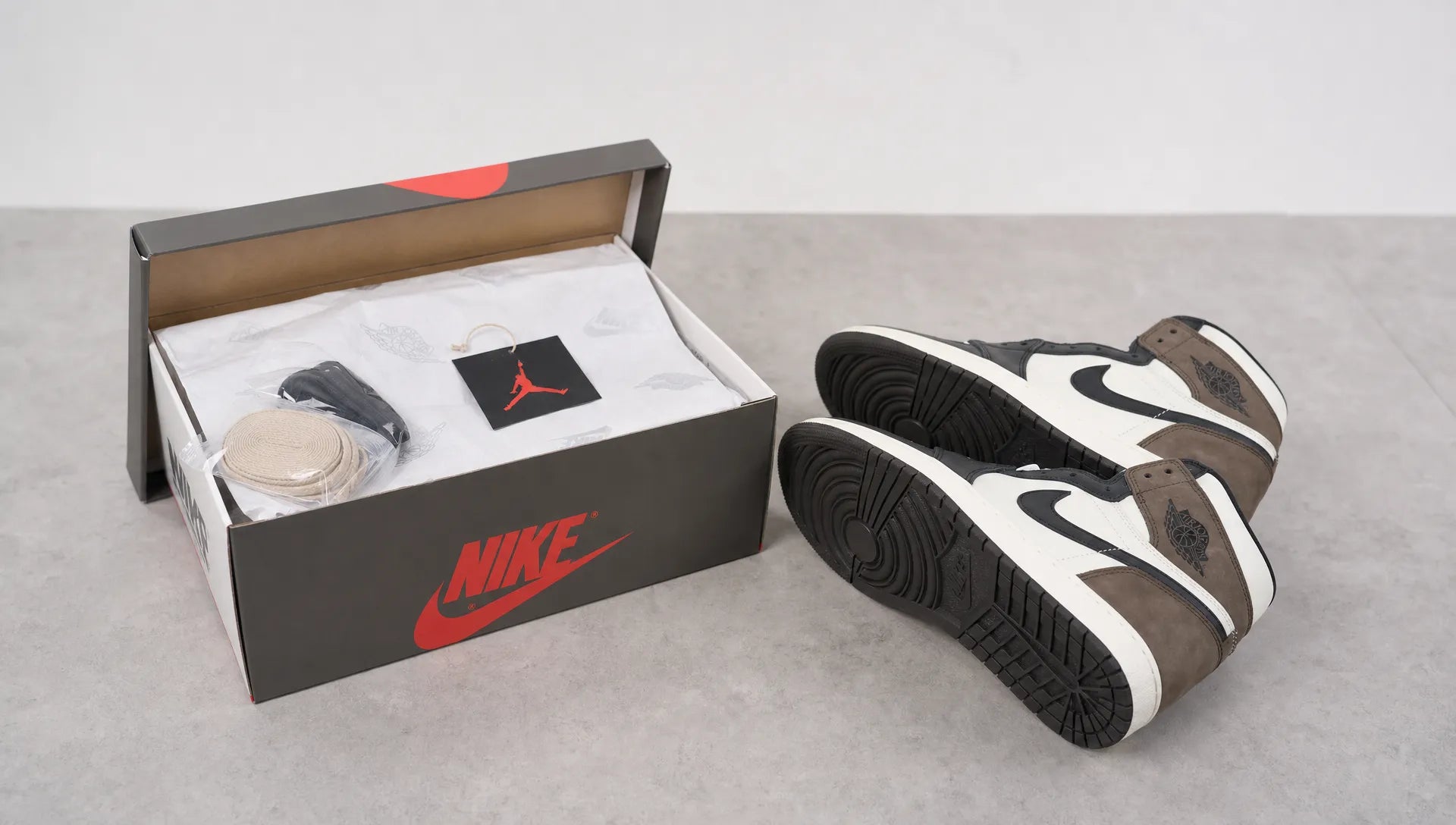
In today’s sneaker market, deadstock means a pair of sneakers is brand new, unworn, and usually comes with the original box and original accessories. You will often see it shortened to DS.
For most sneaker buyers and collectors, a deadstock pair should generally have:
- Unworn uppers, midsoles, outsoles, and insoles
- Original box matching the shoe model, colourway, and size
- Original packaging, such as tissue paper or inserts
- Original accessories, such as spare laces, lace bags, hang tags, or special packaging when they were included at retail
- No signs of outdoor wear, creasing from use, dirt, heel drag, or insole wear
The word has changed over time. Traditionally, “dead stock” referred to unsold inventory sitting in a shop or warehouse. In sneakers, the meaning evolved into a resale and collector term for shoes that are still in new, unworn condition.
That evolution is why deadstock can sometimes be confusing. One seller might use it casually to mean “never worn outside”. A stricter collector might only use it for a factory-laced pair with every accessory intact. When money is involved, always ask what the seller means by deadstock.
Deadstock does not always mean flawless
One of the biggest misunderstandings is that deadstock means perfect. It does not.
A deadstock sneaker can still have factory flaws, glue marks, uneven stitching, minor paint imperfections, or slightly inconsistent leather texture. These issues can happen before the shoe ever reaches a buyer. For example, many mass-produced Nike and Jordan releases have small cosmetic inconsistencies straight from retail.
Age can also affect deadstock sneakers. A pair from several years ago might be unworn but show natural yellowing, oxidation, hardened materials, or a weaker midsole depending on how it was stored. This is especially important for older Jordans and vintage pairs, where a shoe can technically be deadstock but no longer safe or comfortable to wear.
Think of deadstock as a condition category, not a guarantee of perfection.
What usually counts as deadstock?
The strictness of “deadstock” depends on the seller, marketplace, and buyer expectations. However, the table below reflects how most serious sneaker collectors think about the term.
| Sneaker condition detail | Usually deadstock? | What to know |
|---|---|---|
| Never worn, original box, all accessories | Yes | This is the cleanest and most accepted meaning of DS. |
| Tried on indoors briefly | Sometimes disputed | Some buyers still accept it, while strict collectors may call it no longer DS. |
| Laced up but not worn | Sometimes disputed | Factory-laced pairs are preferred by collectors. |
| Missing spare laces or tags | Usually less desirable | The shoes may be unworn, but “complete DS” may not apply. |
| Damaged or replacement box | Still possible, but disclose it | The shoes can be unworn, but the box affects value. |
| Worn once outside | No | Even if they look clean, this is usually VNDS or used. |
| Yellowed from age but unworn | Can be deadstock | Ageing should be clearly shown and described. |
| Factory flaw present | Can be deadstock | Factory flaws do not automatically make a shoe used. |
For high-value pairs, small details can make a real difference. A special box, original lace bag, receipt, or extra accessory may increase confidence and collector value. Whether you are comparing a limited Jordan collaboration like the Air Jordan 1 Retro High OG A Ma Maniére or a loud collectible release, completeness matters.
Deadstock vs new, VNDS, NDS, and used
Sneaker sellers use a lot of shorthand. Some terms are helpful, while others can be vague. Understanding the difference protects you from overpaying.
| Term | Meaning | Buyer takeaway |
|---|---|---|
| DS or deadstock | Brand new, unworn, usually with original box and accessories | Best for collectors, gifting, and buyers who want the cleanest condition. |
| Brand new | New and unworn, but not always as strict as DS | Ask whether the original box and accessories are included. |
| VNDS | “Very near deadstock”, usually worn lightly | Can be excellent value, but it is not deadstock. |
| NDS | “Near deadstock”, lightly used with minimal signs of wear | Expect small marks, creasing, or sole wear. |
| PADS | “Pass as deadstock”, often means tried on or worn lightly but looks new | Treat with caution, because it is not truly DS. |
| Used | Worn, with visible or disclosed signs of wear | Condition can vary widely, so photos matter. |
VNDS and NDS can be good options if you plan to wear the sneakers and want to save money. But they should not be priced the same as a true deadstock pair, especially for hype releases.
The phrase “pass as deadstock” deserves extra caution. It usually means the shoes look clean enough to appear new in photos, but they are not truly unworn. That is not automatically bad if disclosed honestly, but it should be priced and described accurately.
Deadstock and authentic are not the same thing
This is crucial: deadstock refers to condition, while authentic refers to legitimacy.
A sneaker can be authentic but used. A sneaker can also be unworn but fake. Deadstock does not prove authenticity by itself.
When buying popular models like Air Jordans, Nike SB Dunks, Yeezys, or limited collaborations, authenticity checks still matter. Look at the box label, SKU, stitching, materials, shape, insole details, outsole pattern, smell, packaging, and seller reputation. If a deal looks too good to be true, especially on a rare deadstock pair, it is worth slowing down.
For example, collectible Dunks such as the Nike SB Dunk Low Ben & Jerry’s Chunky Dunky are the kind of release where condition and authenticity both heavily influence value. A clean pair is only worth the premium if it is genuine and accurately described.

How to check if sneakers are actually deadstock
When buying sneakers online, you rarely get to inspect the pair in person. That makes photos, descriptions, and seller transparency essential.
Start with the outsole. It should be completely clean, with no grit, staining, heel drag, or wear pattern. Even a short outdoor wear can leave tiny marks in the tread. Indoor try-ons may leave less evidence, which is why some buyers ask directly whether the shoes have ever been tried on.
Next, look at the toe box and side panels. Creasing can happen from wear, poor storage, or being tried on. Some leather creases naturally, but deep flex marks usually suggest the shoe has been worn. For patent leather, suede, nubuck, and premium leather pairs, inspect texture and pressure marks carefully.
The insole is another giveaway. A true unworn pair should not show foot impressions, sock lint, faded logos from wear, or darkened heel areas. Printed insole branding can rub off quickly after use, so a worn-down logo is a red flag.
The box and accessories matter too. Check whether the box label matches the shoe’s SKU, size, and colourway. Confirm whether spare laces, special paper, hang tags, zip ties, or collaboration accessories were originally included. Missing pieces do not always mean the shoe has been worn, but they should be disclosed.
Red flags in “deadstock” sneaker listings
A listing marked deadstock is only as trustworthy as the evidence behind it. Be careful if you notice:
- Only one or two photos, especially if there are no outsole or insole shots
- Vague phrases like “basically new” or “worn once but still DS”
- No photo of the size tag, box label, or accessories
- Heavy filters, poor lighting, or cropped images
- A price far below the normal market for a rare pair
- Seller refusing to answer direct questions about wear, box, or authenticity
- Inconsistent terminology, such as calling the same pair “DS” and “VNDS” in the description
Good sellers make condition easy to understand. They show the pair clearly, mention any flaws, and do not rely on hype terms alone.
Is deadstock worth paying extra for?
Sometimes, yes. But it depends on how you plan to use the sneakers.
If you are collecting, gifting, or buying a rare pair that you may want to keep in top condition, deadstock is often worth the premium. Original condition helps preserve value, especially for limited edition sneakers with strong demand.
If you are buying a pair to wear regularly, deadstock may still be appealing because you get the full “first owner” experience. The shoe is fresh, clean, and unshaped by someone else’s foot. That matters to many buyers.
However, if your main goal is styling and everyday wear, VNDS can sometimes be smarter. A lightly worn pair may cost less while still looking excellent on foot. The key is not to overpay for VNDS while being told it is deadstock.
Deadstock sneakers and storage
Deadstock condition can change over time if sneakers are stored poorly. Heat, humidity, sunlight, and pressure can all affect materials.
Keep sneakers in a cool, dry place away from direct sun. Avoid stacking heavy boxes in a way that crushes packaging. For older pairs, be careful with plastic wrapping because trapped moisture can contribute to damage. Silica gel packs can help manage moisture, but they should not touch delicate materials directly.
If you plan to wear an older deadstock pair, ease into it. Some vintage midsoles can become brittle, and certain materials may crack after years of storage. Deadstock does not always mean wearable forever.
Buying deadstock sneakers online in NZ
For New Zealand sneaker buyers, buying online can unlock far more choice than waiting for local retail drops. But it also means you need to pay attention to sizing, authenticity, shipping, and condition terms.
Before purchasing, confirm the size system. US, UK, and EU sizing can differ by brand and model, and women’s, men’s, and grade school sizing can cause confusion. A detailed size guide can help reduce mistakes, especially on Jordan 1s, Dunks, and Yeezys.
Also check what the listing says about condition. If it says deadstock, look for clear product photos, the original box, and notes about included accessories. If the wording says “brand new” rather than “deadstock”, do not assume the strict collector definition unless the listing confirms it.
When you want a local option, it can be easier to shop authentic sneakers online in NZ through a sneaker store that focuses on sought-after pairs, streetwear, and collectibles. You still need to read each product page carefully, but you can compare sizes, photos, and product details in one place.
A quick note on deadstock outside sneakers
In streetwear and collectibles, the word deadstock can also appear, but the meaning shifts slightly. For clothing, it often means new with tags, unworn, and original packaging if applicable. For collectibles, buyers may use similar language around sealed or unopened items.
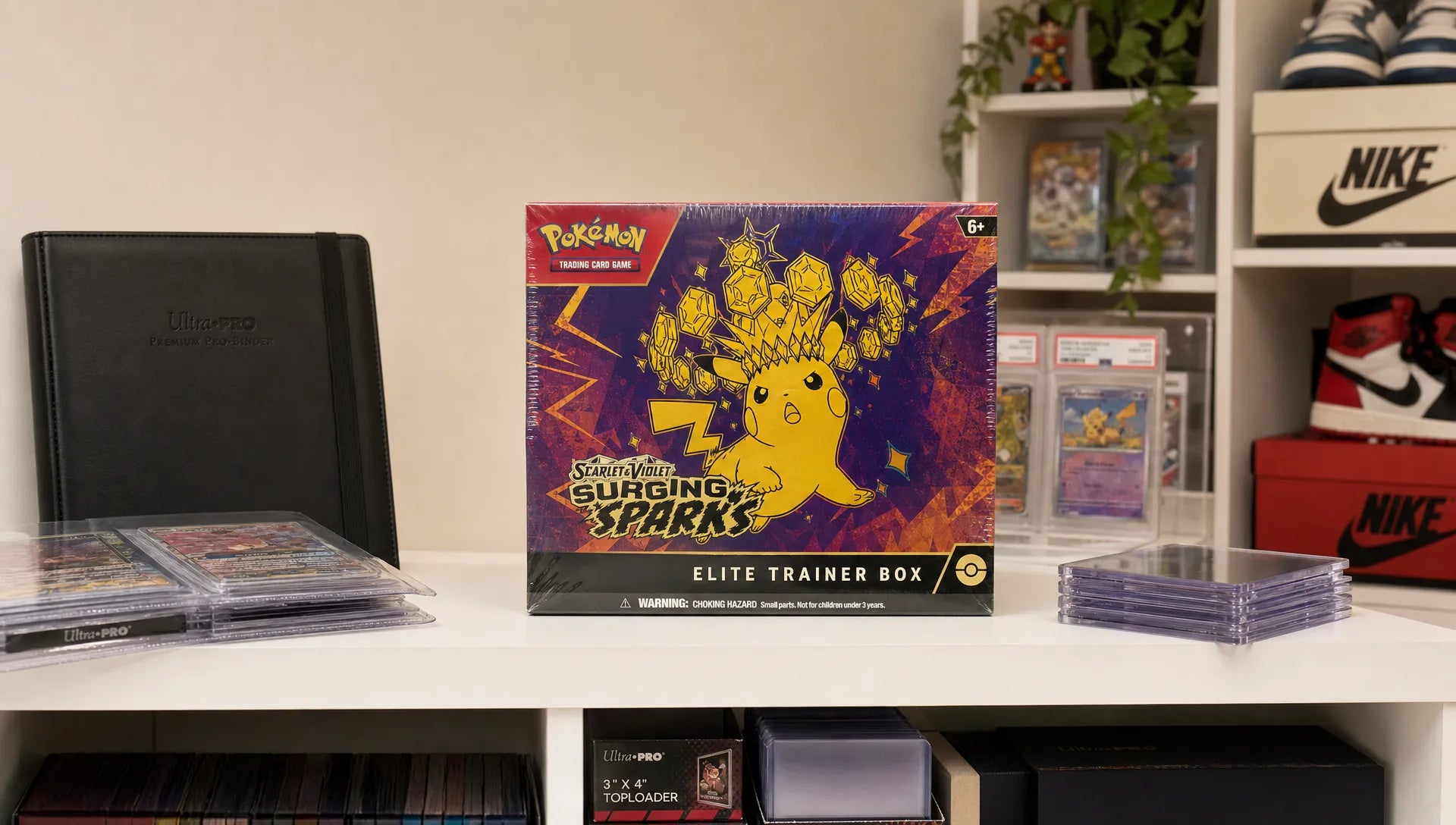
For example, trading card collectors care about sealed condition in a similar way sneaker collectors care about deadstock condition. A factory-sealed product such as a Pokémon Scarlet and Violet Booster Box is valued differently from an opened or handled product, even if the contents are untouched.
The common theme is simple: original condition builds trust and can protect value.
Frequently Asked Questions
Is deadstock the same as brand new? Usually, but deadstock is often a stricter sneaker term. Brand new can simply mean unworn, while deadstock usually implies unworn, original box, and original accessories where applicable.
Can deadstock sneakers be tried on? This is debated. Some sellers still call a pair deadstock if it was tried on indoors, while stricter collectors do not. If this matters to you, ask whether the shoes have ever been tried on or laced up.
Does a damaged box mean sneakers are not deadstock? Not necessarily. The sneakers can still be unworn, but a damaged or replacement box should be disclosed because it can reduce collector value.
Can old sneakers be deadstock if they have yellowing? Yes. Ageing and oxidation can happen while sneakers remain unworn. The pair may still be deadstock, but the yellowing should be shown clearly in photos.
Are deadstock sneakers always authentic? No. Deadstock only describes condition. You still need to confirm authenticity, especially with high-demand Jordans, Dunks, Yeezys, and rare collaborations.
Should I buy deadstock sneakers if I plan to wear them? If you want the cleanest possible pair and the first-wear experience, deadstock is a great choice. If you want better value and do not mind minor wear, VNDS may be worth considering.
Find your next pair with confidence
Deadstock is one of the most important condition terms in sneaker culture, but it only helps when it is used honestly. Look for unworn shoes, original packaging, complete accessories, clear photos, and authentic product details.
Whether you are chasing Jordans, Dunks, Yeezys, streetwear, or collectibles, BigBoiSneakers makes it easier to explore sought-after releases and compare product details before you buy.