ASICS Trail Shoes Explained for Everyday Buyers
Trail shoes used to mean one thing: shoes for people who run up mountains before breakfast. That is no longer the whole story. In 2026, ASICS trail shoes make sense for a much wider group of buyers, from weekend walkers and casual hikers to sneaker fans who want a more rugged, gorpcore-inspired rotation.
For New Zealand buyers, that practicality matters. One week you might be walking on wet footpaths, the next you might be on gravel, grass, coastal tracks or a muddy park trail. A standard lifestyle sneaker can handle daily wear, but it is not always built for slippery ground, toe knocks, loose stones or unpredictable weather.
This guide explains ASICS trail shoes in plain English, so you can work out whether you actually need a pair, which type suits your lifestyle, and what to check before buying online.
What are ASICS trail shoes?
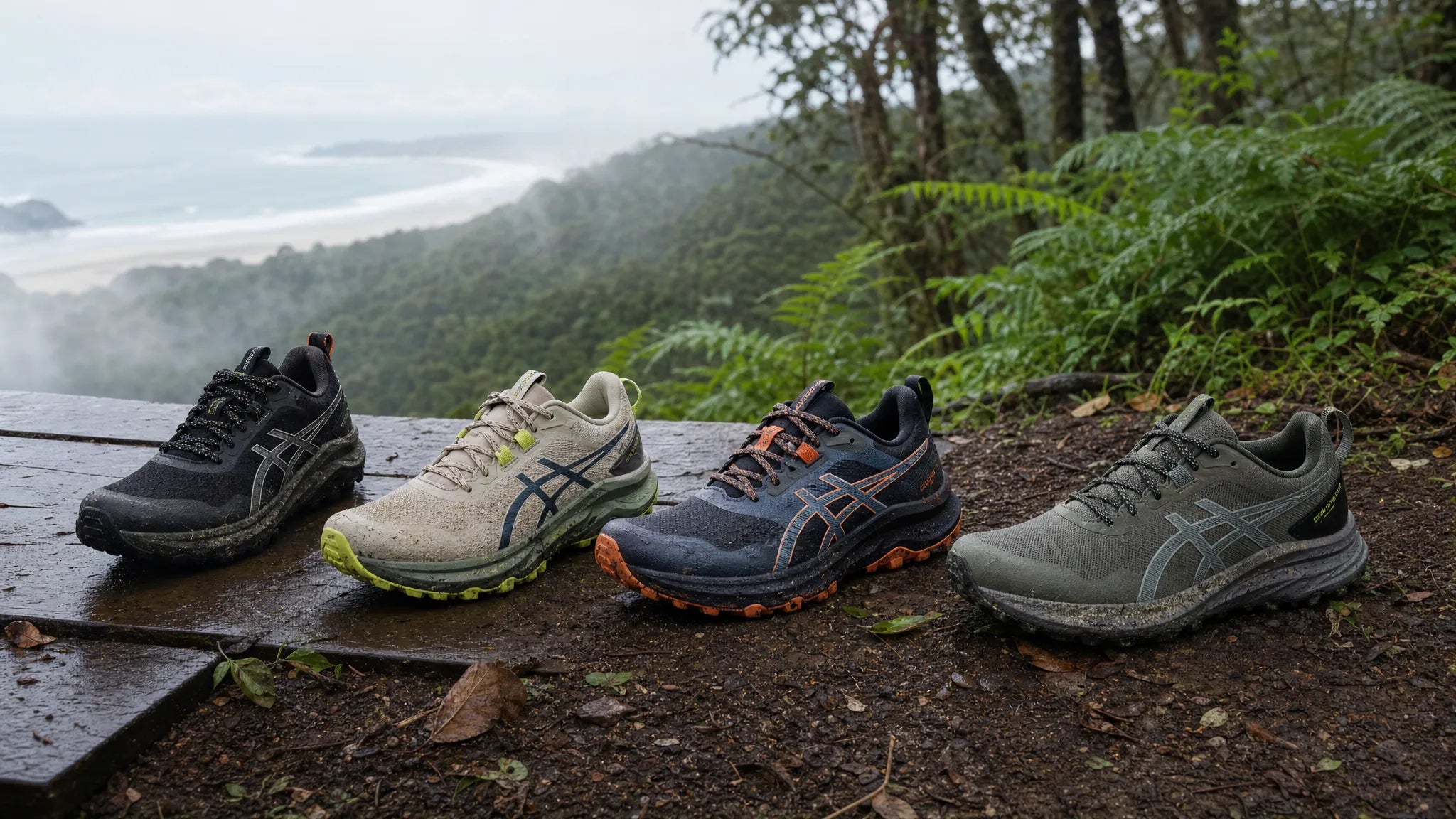
ASICS trail shoes are running or outdoor shoes designed for uneven surfaces rather than smooth roads. The biggest difference is underneath the shoe. Trail models usually have deeper tread, often called lugs, to help grip dirt, gravel, grass, mud and rocky paths.
They also tend to add more protection around the toe, sides and outsole. That protection helps when your foot hits roots, stones or loose ground. Compared with a road running shoe, a trail shoe often feels more planted and secure, but sometimes a bit firmer or heavier.
For everyday buyers, the key point is simple: trail shoes are for people who want more grip, more durability and more outdoor confidence than a normal sneaker provides.
That does not mean every ASICS trail model is right for every person. A lightweight racing trail shoe is different from a cushioned walking-friendly trail shoe. A waterproof version may suit winter commutes, while a breathable mesh version may feel better for summer walks.
Trail shoes vs road runners vs lifestyle sneakers
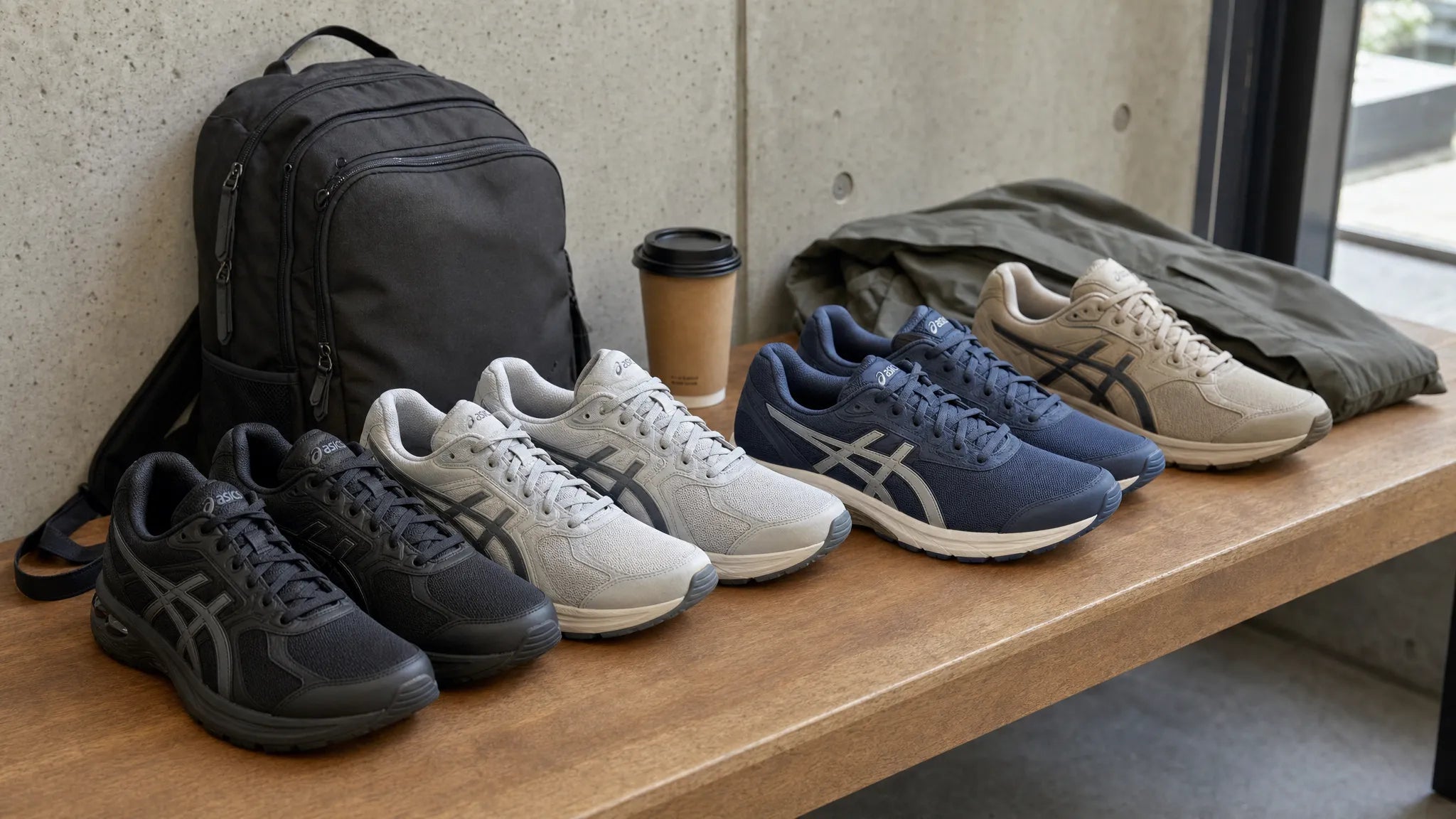
If you already own ASICS GEL-1130s, GEL-Kayano 14s or other retro runners, trail shoes may look similar from a distance. The feel and purpose are different, though.
| Shoe type | Best for | Main advantage | Main trade-off |
|---|---|---|---|
| ASICS trail shoes | Gravel, parks, bush tracks, light hikes, wet grass | Grip and protection | Can feel bulky on smooth pavement |
| Road running shoes | Footpaths, treadmills, road runs, daily walking | Smooth cushioning and lighter ride | Less grip on mud or loose terrain |
| Lifestyle tech runners | Streetwear, casual comfort, everyday outfits | Style and easy wearability | Not always built for real trails |
| Hiking boots | Longer tramps, heavy packs, rough terrain | Support and protection | Heavier and less flexible |
If your life is mostly city walking, cafes, errands and light commuting, a lifestyle ASICS sneaker may be enough. If your weekends involve dog walks through muddy reserves, gravel paths, short trails or outdoor travel, ASICS trail shoes start to make more sense.
Why everyday buyers are choosing trail shoes
The rise of trail shoes is not just about performance. It is also about how people dress now. Outdoor-inspired fashion, often called gorpcore, has made technical footwear feel normal with cargos, fleece, shell jackets, oversized hoodies and relaxed denim.
ASICS trail shoes fit that trend because they look functional without being over the top. The layered uppers, rugged soles and technical details give outfits more texture than a plain white sneaker. They also match the practical way many NZ buyers actually live, where rain, wind and mixed terrain are part of the routine.
There is also a comfort reason. Many people want shoes that can handle longer days, not just look clean in photos. Trail shoes usually prioritise stability, cushioning and grip, which can make them useful for travel days, outdoor events, weekend markets, light hikes or standing around on grass at festivals.
The main features to understand
You do not need to memorise every ASICS technology name to make a good purchase. Focus on what each feature does for your real use.
Outsole grip
The outsole is the bottom of the shoe. On trail shoes, it has deeper lugs than a road shoe. Bigger, more spaced-out lugs are better for mud and soft ground. Shallower lugs feel smoother on pavement and hard-packed gravel.
If you plan to wear your shoes mainly around town with occasional park walks, avoid going too aggressive. Deep lugs can feel awkward on flat concrete and may wear faster if most of your use is on pavement.
Cushioning
Cushioning affects how soft or protected the shoe feels underfoot. More cushioning is useful for long walks, heavier landings and hard-packed trails. Less cushioning can feel more connected to the ground, which some faster runners prefer.
Everyday buyers usually do best with moderate to high cushioning. It gives comfort without making the shoe feel unstable.
Upper protection
Trail uppers are often reinforced around the toe and sides. This helps protect the shoe from scuffs and your foot from knocks. If you are used to delicate suede or mesh lifestyle sneakers, the extra protection can be a major benefit.
For wet or muddy NZ conditions, also look at how easy the upper is to clean. Darker mesh, synthetic overlays and textured materials usually hide wear better than pale suede.
Waterproofing
Some ASICS trail shoes come in waterproof or GTX-style versions, depending on the model and season. Waterproofing can be great for winter walks, wet grass and commuting in rain.
The trade-off is breathability. Waterproof shoes can feel warmer and may dry more slowly if water gets in over the collar. For summer use, gym-to-street wear or fast trail running, breathable non-waterproof mesh may be more comfortable.
Stability
Trail shoes often have a wider base or supportive structure to help your foot stay steady on uneven ground. This is different from medical support, but it can still make the shoe feel more secure.
If you know you overpronate or need extra stability, it is worth reading a dedicated guide such as the ASICS pronation guide for choosing the right pair before buying.
Which ASICS trail shoe type suits you?
ASICS has several trail-focused families, and exact versions change over time. Instead of chasing one model name blindly, choose by use case.
| Buyer type | What to prioritise | ASICS trail direction to consider |
|---|---|---|
| Casual walker | Comfort, grip, reasonable price | Entry-level trail models such as GEL-Venture or GEL-Sonoma styles |
| Weekend trail user | Grip, protection, balanced cushioning | All-round trail models such as GEL-Trabuco styles |
| Long-distance walker or runner | High cushioning, stable ride | Max-cushion trail options such as Trabuco Max styles |
| Faster trail runner | Lighter feel, responsive ride | Speed-focused trail options such as Fuji Lite or Fujispeed styles |
| Streetwear buyer | Shape, colourway, comfort, easy styling | Rugged trail models with wearable colours and less extreme lugs |
If you want a deeper model-by-model breakdown for local terrain, read the BigBoiSneakers guide to the best ASICS trail running shoes for NZ conditions. This article is more about understanding the category before you buy.

Are ASICS trail shoes good for everyday walking?
Yes, many ASICS trail shoes can be good for everyday walking, especially if your daily routes include uneven ground, parks, gravel, wet grass or hills. They can also be a smart travel shoe if you want one pair that handles city streets and casual outdoor exploring.
The important word is “many”. Not all trail shoes are equally comfortable for daily wear. Some speed-focused trail models are built for performance and may feel firmer or more aggressive than a casual buyer expects. A heavily lugged outsole may also feel less smooth on tiled floors, polished concrete or long office days.
For everyday walking, look for a pair with balanced cushioning, a comfortable upper and a tread pattern that is not too extreme. If you mostly walk on pavement, a road running shoe or tech runner may still be the better choice. For broader comfort-focused options, compare trail models against the picks in Best ASICS Sneakers to Buy in NZ for Comfort and Style.
How should ASICS trail shoes fit?
Trail shoes should feel secure, but not tight. Your toes need space because feet move forward when walking downhill. A shoe that feels perfect on flat ground can become uncomfortable on descents if the toe box is too short.
As a starting point, many buyers stay true to size in ASICS. However, you may consider going half a size up if you are between sizes, have wider feet, wear thicker socks or plan to use the shoes on longer trails.
A good fit should pass these checks:
- Your longest toe has about a thumb’s width of space at the front.
- Your heel feels locked in without painful rubbing.
- The midfoot feels secure, not squeezed.
- Your toes can spread slightly when standing.
- The shoe still feels stable when walking downhill or turning.
If your foot slides forward, try a runner’s knot or heel-lock lacing before assuming the size is wrong. If the sides of your feet feel pinched, sizing up may not fully solve the issue. You may need a wider model or a different shape.
Are they good for NZ trails and weather?
ASICS trail shoes can work well for many New Zealand conditions, especially maintained tracks, gravel paths, forest trails, coastal walks and mixed urban-outdoor days. The extra grip and protection are useful when the ground changes quickly from pavement to wet grass or loose stones.
For serious tramping, alpine routes, river crossings or carrying a heavy pack, trail shoes may not replace proper hiking footwear. The right choice depends on weather, terrain, experience and risk. For outdoor safety planning, New Zealand’s Department of Conservation has a useful Know before you go resource.
For everyday buyers, the practical takeaway is this: ASICS trail shoes are excellent for light to moderate outdoor use, but you should not treat every pair like a mountaineering boot.
Styling ASICS trail shoes without looking too technical
Trail shoes can look sharp in a streetwear wardrobe if the rest of the outfit makes sense. The easiest approach is to lean into texture and utility rather than trying to make them look like dress sneakers.
Earth tones, greys, black, cream, olive, navy and muted metallic details are the easiest colours to style. Bright trail colourways can work too, but they become the main feature of the outfit.
Try these simple outfit formulas:
- Black trail shoes with relaxed cargos, a heavyweight tee and a zip hoodie.
- Grey or silver ASICS trail shoes with straight-leg denim and a fleece.
- Earth-tone trail shoes with olive pants, a white tee and a shell jacket.
- Neutral trail shoes with black shorts, crew socks and an oversized hoodie.
If you already wear ASICS lifestyle runners, compare the trail look with models like the GEL-1130. The ASICS GEL-1130 explained guide is useful if you are deciding between retro runner style and more rugged trail function.
Common mistakes to avoid
The biggest mistake is buying the most technical-looking pair without thinking about where you will actually wear it. A shoe designed for fast trail racing may not be the best option for casual weekend errands.
Another mistake is assuming waterproof is always better. Waterproof trail shoes are useful in winter, but they can feel hot in warmer weather. If you mainly need breathability, a non-waterproof upper may be more comfortable.
Buyers also underestimate outsole wear. Trail rubber is designed for grip, but if you wear deep lugs on concrete every day, they may wear down faster than expected. If your use is 90 percent city, choose a less aggressive trail outsole or consider a road-to-trail style.
Finally, do not ignore authenticity and seller trust. Popular ASICS models and trending technical runners can attract questionable listings. Before buying online, use the same safety habits you would use for Jordans, Dunks or Yeezys: check product details, seller reputation, secure payment options and return policies. BigBoiSneakers has a wider guide on how to buy authentic sneakers in NZ with confidence.
How to care for ASICS trail shoes
Trail shoes are built to get dirty, but that does not mean you should leave mud sitting on them for weeks. Regular care helps preserve grip, shape and material quality.
After muddy use, let the shoes dry slightly, then brush off loose dirt. Use a damp cloth and mild sneaker cleaner for the upper, and rinse the outsole carefully if mud is packed between the lugs. Remove the insoles when drying so air can circulate.
Avoid washing machines, direct heaters and harsh chemicals. High heat can weaken glue, warp materials and shorten the life of the shoe. Air drying in a shaded, ventilated area is safer.
If you wear trail shoes as part of a sneaker rotation, clean them before storing them near premium leather or suede pairs. Dirt and moisture can transfer, especially in small wardrobes or boxes.
Quick buying checklist
Before you choose a pair of ASICS trail shoes, ask yourself a few practical questions.
| Question | Why it matters |
|---|---|
| Will I use them mostly on pavement, gravel, mud or mixed terrain? | This determines how aggressive the outsole should be. |
| Do I need waterproofing or breathability more? | Waterproof pairs suit wet conditions, breathable pairs suit warm and fast use. |
| Am I walking, running, hiking lightly or styling them casually? | Different uses need different cushioning and weight. |
| Do I have wide feet or wear thick socks? | You may need extra room or a different fit. |
| Is the seller trustworthy? | Authenticity, returns and secure payment matter when buying online. |
For most everyday buyers, the best choice is not the most expensive or most technical pair. It is the pair that matches your real terrain, fits comfortably and works with the clothes you already wear.
Frequently Asked Questions
Are ASICS trail shoes only for running? No. Many buyers wear them for walking, travel, light hikes, outdoor workdays and streetwear. Just choose a model with comfort and tread that suit your daily use.
Can I wear ASICS trail shoes on the road? Yes, but they may feel less smooth than road running shoes. If you wear deep trail lugs mostly on concrete, the outsole may also wear faster.
Should I size up in ASICS trail shoes? Many buyers stay true to size, but going half a size up can help if you are between sizes, have wider feet, wear thicker socks or walk downhill often.
Are waterproof ASICS trail shoes worth it in New Zealand? They can be worth it for winter, wet grass and rainy commutes. If you want better breathability for summer or faster movement, a non-waterproof version may suit you better.
Are ASICS trail shoes good for streetwear? Yes. Their technical shape works well with cargos, fleece, shell jackets, relaxed denim and oversized basics. Neutral colourways are easiest to style.
Do trail shoes replace hiking boots? Not always. Trail shoes can be great for light hikes and maintained tracks, but boots may be better for heavy packs, rough terrain, ankle support or harsher weather.
Find the right pair for your rotation
ASICS trail shoes make the most sense when you want one pair that can handle more than clean pavement. They bring grip, comfort and rugged styling into an everyday rotation, especially for NZ buyers dealing with mixed weather and mixed terrain.
If you are choosing between trail shoes, retro runners, Jordans or other lifestyle sneakers, focus on fit, authenticity and real use first. BigBoiSneakers offers authentic sneakers, streetwear and collectibles with secure payment options, size guidance and new arrivals to help you build a rotation that actually works.
Browse the latest drops at BigBoiSneakers or keep learning with our ASICS and sneaker buying guides before your next pick-up.