How to Buy Boots Online in NZ Without Regret
Buying boots online in NZ can be brilliant when you know what to check. You get more sizes, more colourways, and more chances to find a pair that works with your wardrobe. But boots are less forgiving than slides or soft runners: a tight toe box, stiff leather, slippery sole, or unclear return policy can turn a good-looking pair into an expensive mistake.
If you want to buy boots online NZ shoppers can actually wear with confidence, treat the purchase like a mini legit-check and fit-check. The goal is simple: know what job the boots need to do, confirm the size properly, understand the true cost, and buy from a seller that will support you if something goes wrong.
Start with the job your boots need to do
A boot that looks perfect on Instagram might be completely wrong for your daily life. Before comparing prices, decide what problem the boots need to solve. Are they for wet commutes, workwear outfits, winter festivals, casual streetwear, hiking tracks, or a workplace that needs protective footwear?
For sneaker buyers, this step matters because boots often feel heavier, firmer, and hotter than lifestyle sneakers. If you are used to Nike Dunks, Air Jordan 1s, or retro runners, a structured boot can feel like a big change. That is not bad, but it means you need to be more specific than just picking your usual size and hoping for the best.
| Boot type | Best for | Online buying risk to check |
|---|---|---|
| Chelsea boots | Smart casual outfits, office wear, clean streetwear | Instep tightness and ankle opening |
| Lace-up leather boots | Everyday winter wear, workwear styling | Break-in time and leather stiffness |
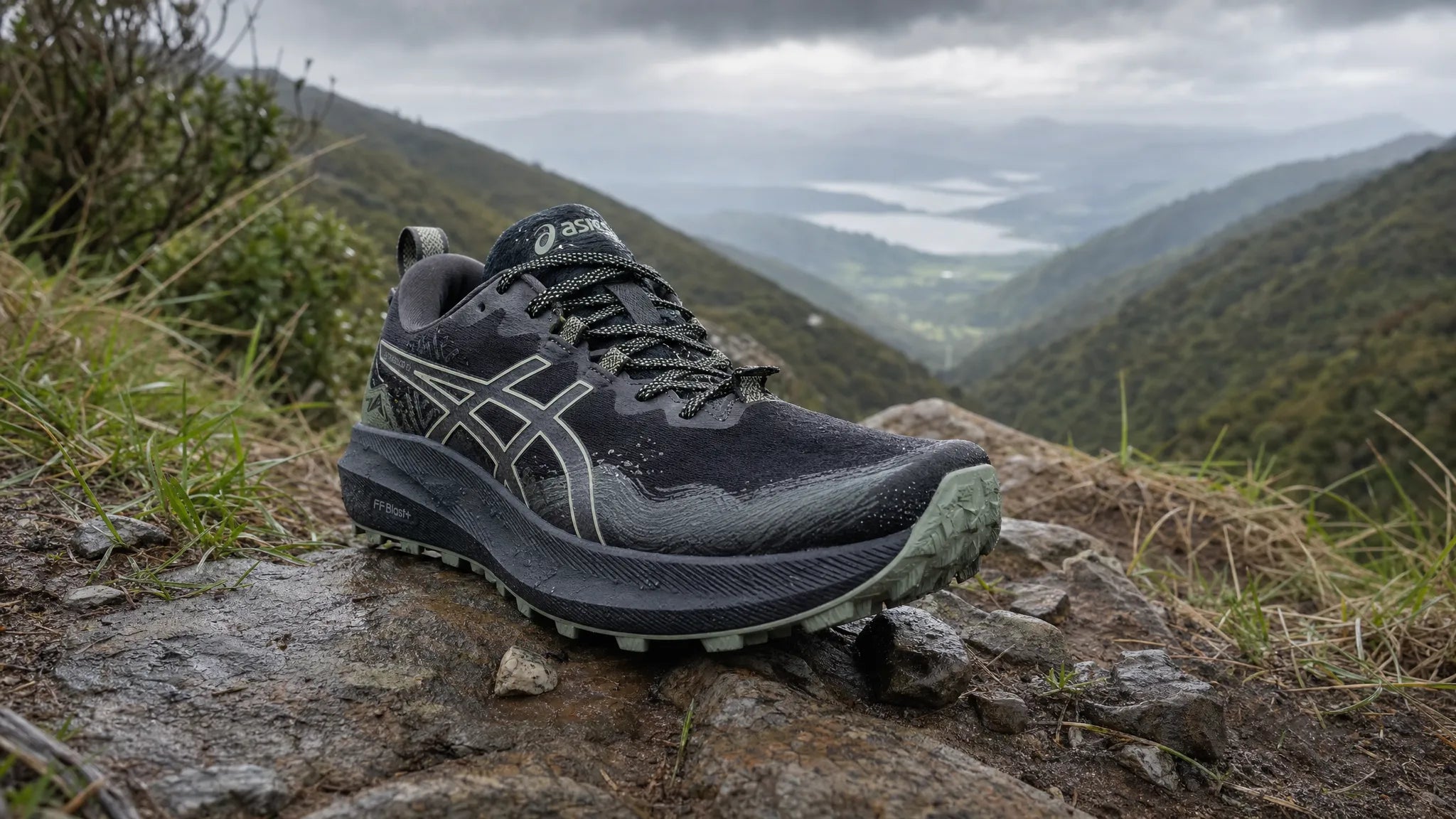
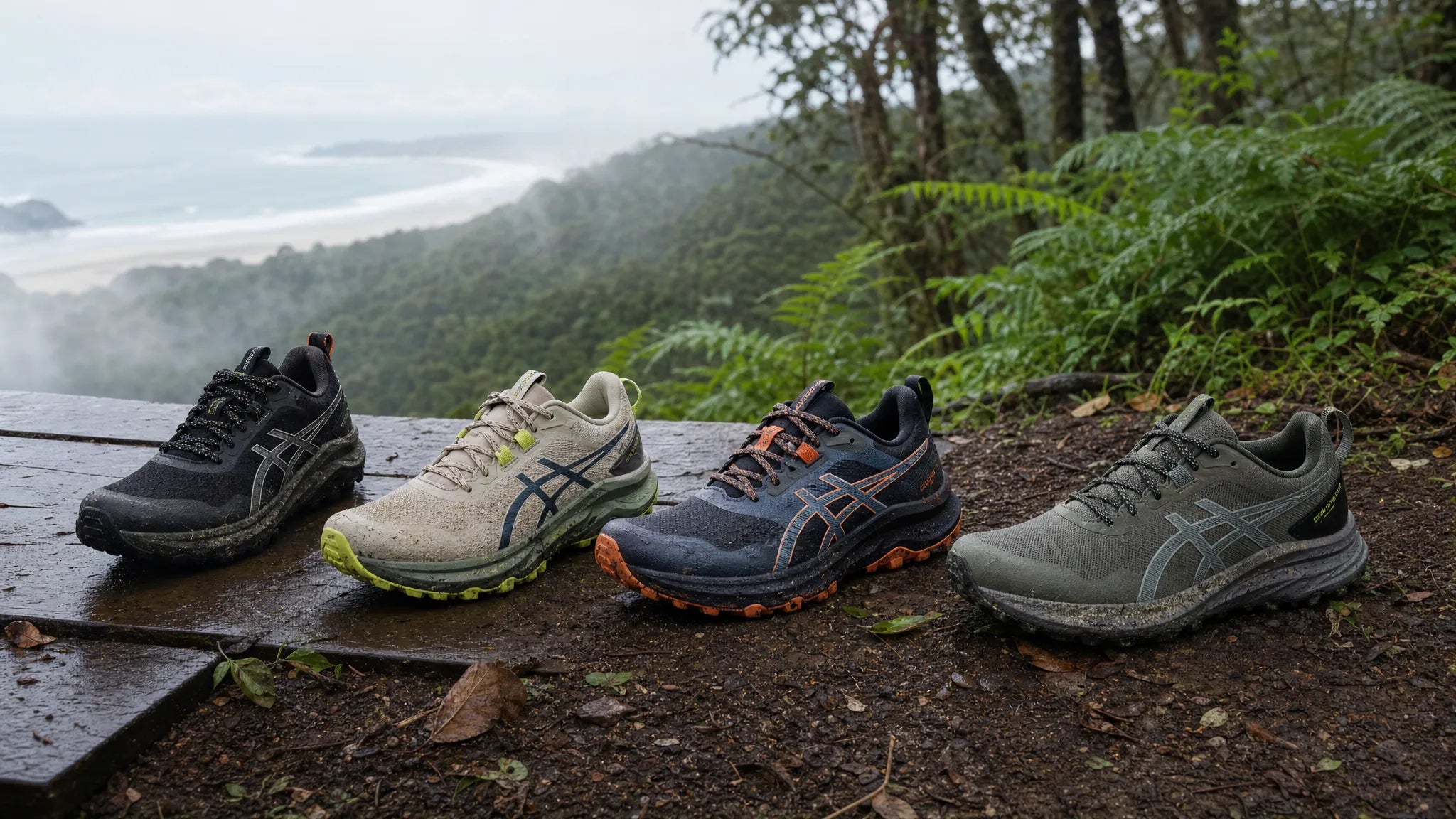
| Hiking or trail boots | Wet tracks, uneven ground, outdoor use | Toe room on descents and outsole grip |
| Work or safety boots | Job sites and practical work use | Safety compliance, width and return rules |
| Sneaker boots | Streetwear outfits and comfort-first wear | Weather resistance may be overstated |
| Suede or nubuck boots | Elevated casual outfits | Staining risk in wet NZ weather |
If you need boots for a regulated workplace, do not buy purely on style. Check your employer requirements and the product specifications before ordering. Fashion boots and sneaker boots are not the same thing as certified safety footwear.
Measure your feet, do not rely only on your sneaker size
Your sneaker size is a useful clue, not a guarantee. Boot sizing varies by brand, shape, material, and country sizing system. Many NZ retailers list US, UK, and EU sizes, and overseas sites may default to a sizing convention that is not obvious at checkout.
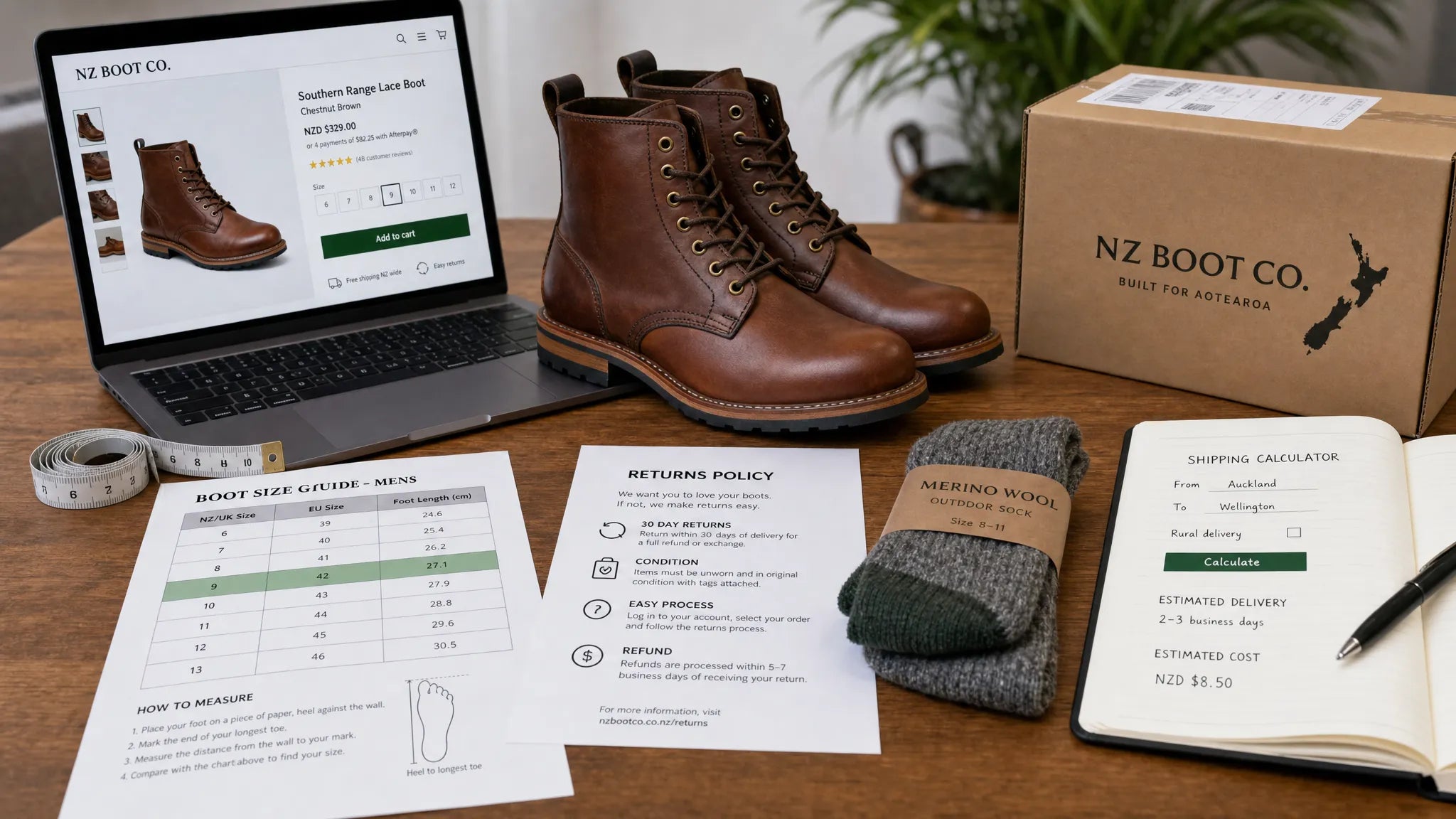
Measure both feet at the end of the day, when feet are usually slightly larger. Stand on paper, mark the heel and longest toe, then measure the distance in centimetres. If one foot is bigger, shop for the bigger foot. Compare that measurement with the brand size chart, not just a generic conversion chart.
Boots also need different fit checks from sneakers. You generally want a secure heel, enough width across the forefoot, and enough toe room that your toes are not hitting the front when walking downhill or wearing thicker socks. A tiny amount of heel movement can be normal in some new leather boots, but your heel should not be lifting dramatically with every step.
| Fit signal | What it usually means | What to do before buying |
|---|---|---|
| Tight across the widest part of the foot | The boot may be too narrow | Look for width notes or consider sizing up only if length still works |
| Toes touching the front when standing | Too short for comfortable wear | Choose a larger size or a different last |
| Heel slipping a little in stiff leather | May settle after break-in | Check reviews for heel slip and use suitable socks |
| Pressure on top of the foot | Instep may be too low | Read reviews from high-instep buyers |
| Calf or ankle feels restricted | Shaft opening may not suit you | Check shaft height and circumference if listed |
If you are between sizes, read reviews carefully. Some boots are designed to be worn with thick socks, while others are slim and dressy. A streetwear boot that looks chunky may still fit narrow through the midfoot.
Read the product page like a buyer, not a browser
Good boot listings give you more than a nice side photo. You want enough information to predict how the pair will feel and how it will age. Look for materials, sole type, closure system, lining, weight if available, size chart, return information, and real photos from multiple angles.
Material descriptions matter. Full-grain or smooth leather usually handles regular wear better than delicate suede, but it can need a break-in period. Suede and nubuck can look premium with cargos, denim, and oversized hoodies, but they need more weather protection. Synthetic uppers may be lighter and easier to clean, but quality varies.
Pay close attention to the outsole. In New Zealand, where a normal week can involve wet footpaths, carparks, grass, and polished indoor floors, grip is not optional. Lugged rubber soles usually offer better traction than flat dress soles, but they can look bulkier. If the listing only says durable sole without explaining the tread, zoom in on the photos.
Also check whether the boot is described as waterproof, water-resistant, or simply suitable for winter. These terms are not interchangeable. Waterproof usually suggests a membrane or sealed construction, while water-resistant may only mean the material can handle light moisture. If you commute in heavy rain, vague wording is not enough.
Calculate the true NZ cost before you commit
The cheapest listed price is not always the best deal. For NZ buyers, the real price can change once you add shipping, currency conversion, card fees, GST, duties, and returns. A pair from overseas may look cheaper until the final checkout page, especially if the store prices in USD, AUD, GBP, or EUR.
For overseas purchases, check NZ Customs guidance on duty and GST before placing a high-value order. Rules can differ depending on the value of goods, the seller, and whether tax is collected at checkout. If you are near a threshold, do the maths before buying.
A simple all-in cost comparison looks like this:
| Cost item | Local NZ seller | Overseas seller |
|---|---|---|
| Product price | Usually clear in NZD | May need currency conversion |
| Shipping | Often faster and simpler | Can be expensive or slow |
| GST/import charges | Usually included in NZ pricing | May be collected at checkout or at the border depending on the order |
| Returns | Usually easier to manage | Return shipping can erase savings |
| Support | Easier time zone and consumer context | May be slower or harder to resolve |
If two pairs are close in price, the safer local option can be better value. A quick exchange, clearer returns, and easier communication can matter more than saving a few dollars upfront.
Check returns and guarantees before sizing risk
Boots are one of the worst footwear categories to gamble on without checking the return policy. A pair can look perfect and still fail because the toe box is wrong, the leather digs into your ankle, or the shaft opening does not suit your foot shape.
Read the return policy before adding to cart. Look for the return window, whether sale items are excluded, who pays return shipping, whether exchanges are offered, and whether the boots must be unworn. Most stores require footwear to be tried indoors only, with tags and original packaging intact.
In New Zealand, the Consumer Guarantees Act gives consumers rights when products are faulty or not as described. That is different from a change-of-mind return, which depends on the retailer policy. Do not assume you can return boots just because they do not suit your outfit.

Vet the seller the same way sneakerheads vet rare pairs
Boots may not always get the same hype as limited sneakers, but popular labels and premium-looking styles still attract fake listings, misleading photos, and low-quality lookalikes. The same instincts you use when buying Jordans, Yeezys, or Dunks apply here.
A trustworthy seller should show clear business details, secure checkout, realistic pricing, product-specific photos or detailed product information, clear delivery estimates, and an understandable returns process. Reviews should mention real buying experiences, not just generic praise.
Be careful with listings that push urgency too hard. Last pair, 80 percent off, and payment by bank transfer only are not automatic proof of a scam, but they should make you slow down. If the site has no proper contact details, no returns page, copied product descriptions, or prices that are far below market value, move on.
BigBoiSneakers has covered similar checks for sneaker buyers in guides like How to Buy Authentic Sneakers in NZ With Confidence and Authentic Sneaker Sites NZ Buyers Can Trust. The product category may be different, but the buying principles are the same: verify the seller, confirm the product, protect your payment, and keep records.
Match boots with the rest of your streetwear rotation
A regret-free boot purchase is not only about fit. It also needs to make sense with what you already wear. If your wardrobe is mostly relaxed hoodies, cargos, graphic tees, and sneakers, a super formal dress boot may sit unused. If you wear clean denim, overshirts, knitwear, and neutral layers, a loud tactical boot may be too hard to style.
For streetwear wardrobes, the easiest boot colours are usually black, dark brown, tan, grey, olive, and off-white. Black works with cargos, washed denim, leather jackets, puffers, and monochrome fits. Tan and brown lean more workwear, pairing well with vintage washes, flannels, heavyweight tees, and earth tones. Grey and olive are underrated if you want something different without making the whole outfit about the boot.
Think about trouser shape too. Slim jeans can fight with chunky boots, especially if the shaft is wide. Straight-leg denim, cargos, painter pants, and relaxed workwear trousers usually sit better over the top. If you like cuffing pants, check the boot height and ankle shape in photos before buying.
Boots also work best as part of a rotation. Wearing the same leather pair every wet day gives them less time to dry and recover. If you already have sneakers for dry days and boots for rougher weather, both categories last longer.
Use a quick pre-checkout checklist
Before you buy, pause for two minutes and answer the basics. This is the easiest way to avoid impulse mistakes.
- Have I measured both feet and checked the brand size chart?
- Do the boots match my main use case, not just my saved outfit photo?
- Is the material suitable for my local weather and cleaning habits?
- Does the outsole look grippy enough for wet NZ conditions?
- Have I checked the full price, including shipping and possible import costs?
- Do I understand the return policy if the fit is wrong?
- Is the seller clearly identifiable, with secure payment and real support?
- Have I saved the order confirmation, product page, and any size advice?
If you cannot answer most of these, you are not ready to buy yet. It is better to miss one pair than to get stuck with boots you avoid wearing.
Inspect the boots as soon as they arrive
Do not throw away the box or wear the boots outside immediately. Open the parcel carefully, keep packaging intact, and check the order against your receipt. Confirm the size, colour, model, and condition. Look for obvious defects, mismatched panels, glue issues, loose stitching, damaged eyelets, or marks that were not disclosed.
Try them indoors on clean carpet with the socks you plan to wear. Walk for several minutes, including stairs if possible. Pay attention to toe pressure, heel movement, ankle rubbing, arch discomfort, and width. If something feels painfully wrong indoors, it will usually feel worse after a full day outside.
Take photos straight away if there is a problem. Clear evidence helps when contacting customer support, especially for damaged parcels, wrong sizes, or defects. Keep communication polite, specific, and documented.
Care for boots properly in NZ conditions
A good boot purchase can still become a regret if you neglect care. New Zealand weather can be rough on footwear, especially leather, suede, nubuck, and light-coloured materials. Rain, road grime, mud, salt air in coastal areas, and damp storage can all shorten the life of a pair.
For smooth leather, wipe dirt off after wear and let the boots dry naturally away from direct heat. Condition leather when it starts to look dry, but do not overdo it. For suede and nubuck, use a suitable brush and protector spray, and avoid wearing them in heavy rain unless they are designed for it. For mixed-material sneaker boots, follow the gentlest material on the shoe, not the toughest one.
If you care about resale value, avoid harsh scrubbing, washing machines, strong chemicals, and heat drying. The same applies to premium sneakers. For more general footwear care tips, BigBoiSneakers has a detailed guide on how to clean and care for sneakers without ruining resale value.
When buying boots online makes the most sense
Buying online is strongest when you already understand your size, the seller has a clear policy, and the product page gives enough detail to make a confident choice. It is also great for finding sizes, colours, and styles that may not be available locally in-store.
Online buying is riskier when the boots are final sale, the brand is new to you, the sizing reputation is inconsistent, or the seller gives vague information. In those cases, either choose a retailer with easy returns or look for more buyer reviews before committing.
The best approach is not to avoid online shopping. It is to shop like a smart collector: patient, detail-focused, and unwilling to ignore red flags just because the pair looks good.
Frequently Asked Questions
Is it safe to buy boots online in NZ? Yes, provided you buy from a reputable seller, use secure payment, check the return policy, and confirm sizing before ordering. Local NZ sellers can make shipping, exchanges, and support easier.
Should I size up when buying boots online? Not automatically. Measure your feet and use the brand size chart first. Size up only when reviews, width, sock thickness, or the brand fit suggests it makes sense.
What is the biggest mistake when buying boots online? The biggest mistake is buying only by looks. Fit, materials, sole grip, return rules, and total landed cost matter just as much as the design.
Are waterproof boots necessary in New Zealand? Not always. For city wear, water-resistant leather or treated materials may be enough. For heavy rain, hiking, or outdoor work, look for genuine waterproof construction and suitable traction.
How do I avoid fake or low-quality boots online? Check seller identity, reviews, product details, payment methods, pricing, and return terms. Be cautious with prices far below market, copied images, and sellers that push off-platform payment.
Build your rotation with confidence
Boots can be a strong addition to a sneaker and streetwear wardrobe, especially for wet weather, winter fits, and workwear-inspired outfits. The key is to buy with the same discipline you would use for a hyped sneaker: verify the seller, check the size, understand the true cost, and protect the pair once it arrives.
If you are building a full footwear and streetwear rotation in New Zealand, browse BigBoiSneakers for authentic sneakers, streetwear, collectibles, new arrivals, secure payment options, and free NZ shipping. A good pair of boots handles the rough days, while the right sneakers and apparel complete the fit.