Best ASICS Volleyball Shoes for Grip and Support
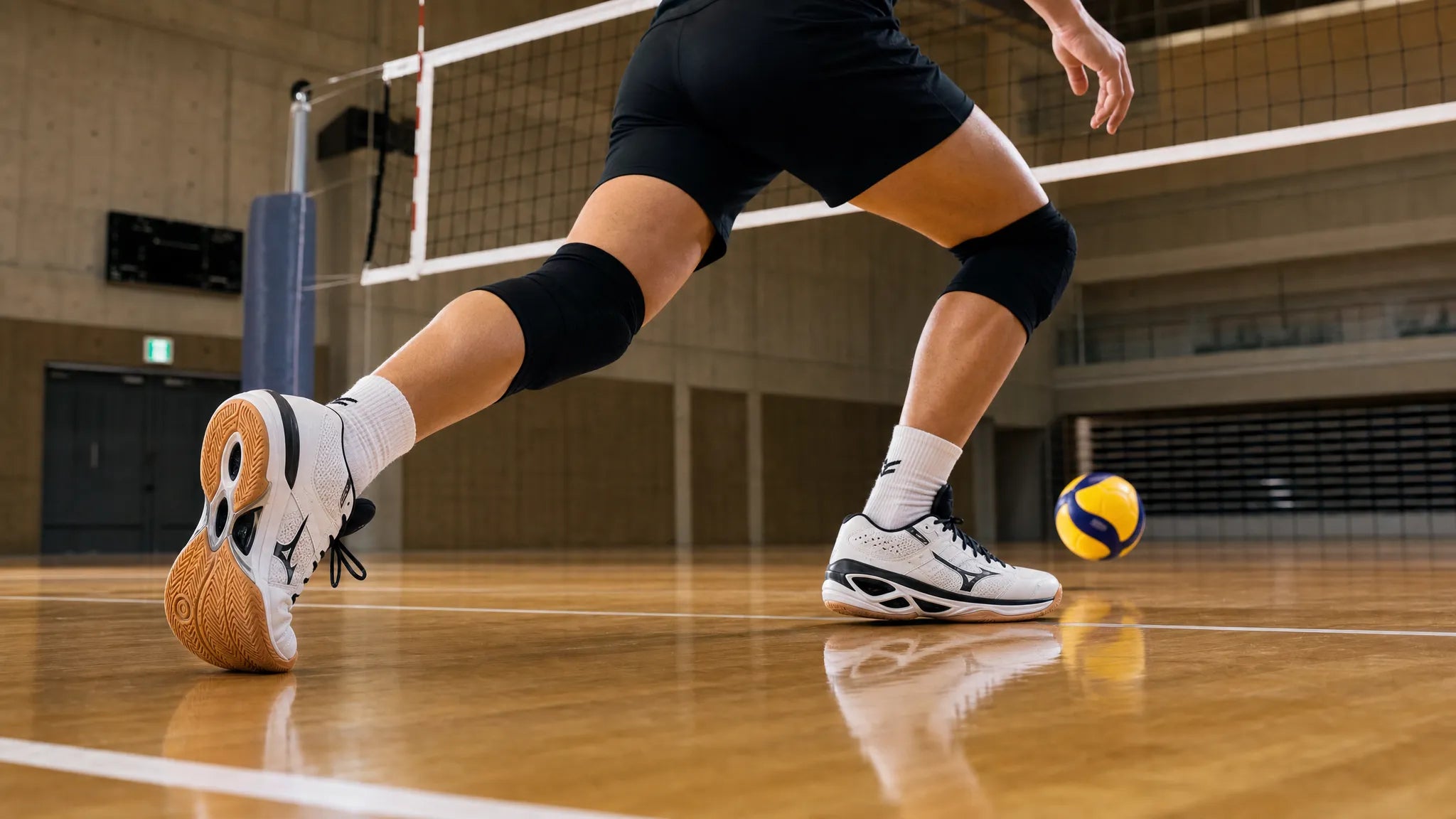
Volleyball shoes have one job: keep you connected to the court when the game gets chaotic. A good pair needs to grip through quick starts, support hard lateral cuts, cushion repeated jumps and still feel light enough for fast reactions. That is why ASICS volleyball shoes are so popular with club players, school athletes and social competition players across New Zealand.
ASICS has a strong court-sport heritage, and its volleyball range covers everything from premium jump-focused models to budget-friendly indoor court shoes. The challenge is choosing the right pair for your position, foot shape and level of play.
Below, we break down the best ASICS volleyball shoes for grip and support, plus what to check before buying online.
What makes a great volleyball shoe?
A volleyball shoe is different from a running shoe or a lifestyle sneaker. Running shoes are built mostly for forward motion. Volleyball demands forward, backward and side-to-side movement, often within the same rally. You also land from jumps repeatedly, pivot under pressure and push off on dusty indoor courts.
According to the American Academy of Orthopaedic Surgeons, ankle sprains, knee issues and shoulder injuries are common in volleyball, and proper footwear is one part of reducing injury risk. Shoes cannot replace strength work, mobility or good landing technique, but they can give you a better platform.
The best ASICS volleyball shoes usually balance four things:
- Grip: A non-marking rubber outsole with strong traction for indoor courts.
- Lateral support: A stable base, secure heel and midfoot lockdown for side-to-side movement.
- Jump cushioning: Enough impact protection for repeated landings without feeling unstable.
- Fit: A snug performance fit that stops your foot sliding inside the shoe.
If your shoe slips on court, feels too soft during cuts or lets your heel lift, it is not giving you the support volleyball requires.
Quick comparison: best ASICS volleyball shoes
| ASICS model | Best for | Why it stands out | Watch if |
|---|---|---|---|
| ASICS SKY ELITE FF 3 | Best overall volleyball shoe | Excellent blend of jump cushioning, court grip and support | You prefer a very minimal, low-profile feel |
| ASICS METARISE 2 | Best premium option for hitters | Built for powerful jumping, take-off and front-court play | You want a lower-cost training shoe |
| ASICS NETBURNER BALLISTIC FF 4 | Best for fast all-round players | Stable, responsive and good for quick changes of direction | You need maximum ankle coverage |
| ASICS GEL-TACTIC 12 | Best value support shoe | Supportive, cushioned and practical for training and matches | You want the lightest possible race-like court feel |
| ASICS GEL-ROCKET 12 | Best budget volleyball shoe | Reliable indoor grip and accessible performance | You play high-volume competitive volleyball every week |
| ASICS UPCOURT 6 | Best entry-level team shoe | Lightweight, simple and easy to wear for beginners | You need advanced cushioning for frequent jumping |
| ASICS ROTE JAPAN LYTE FF 3 | Best lightweight court feel | Fast, low-profile and agile for quick defenders | You want plush landing protection |
Availability can vary by size, colourway and region, especially in New Zealand. If a specific volleyball model is hard to find, compare the same traits across ASICS indoor court shoes: non-marking outsole, lateral support, secure fit and enough cushioning for your jump volume.
1. ASICS SKY ELITE FF 3: best overall for grip and support
If you want one ASICS volleyball shoe that covers most serious players, start with the SKY ELITE FF 3. It is designed around the repeated jumping and landing patterns of volleyball, making it a strong choice for outside hitters, opposites, middles and athletic setters.
The key appeal is balance. It has enough cushioning for hard landings, enough structure for lateral movement and enough responsiveness for quick take-offs. It also comes in low and mid-cut versions in many markets, which gives players a choice between a freer ankle feel and a little more collar coverage.
The SKY ELITE FF 3 suits players who jump frequently but still need fast footwork. If you are upgrading from an entry-level court shoe, you should notice better lockdown through the midfoot and a more premium feel underfoot.
Choose this if you want a dependable match-day shoe and do not want to overthink the decision.
2. ASICS METARISE 2: best premium shoe for powerful hitters
The METARISE line is ASICS’ premium volleyball option for players who attack the net aggressively. It is aimed at jump performance, take-off efficiency and strong support through explosive movements.
This is the shoe to consider if your game is built around approach jumps, blocking and front-court power. The shape and structure are designed to help you load, push off and land with control. It feels more specialised than a basic indoor court shoe, which is exactly why experienced hitters often look at it.
The trade-off is that it may be more shoe than a beginner needs. If you play socially once a week, the GEL-ROCKET or GEL-TACTIC may be more practical. If you train regularly and want a top-tier volleyball-specific platform, the METARISE 2 is one of the strongest ASICS options.
3. ASICS NETBURNER BALLISTIC FF 4: best for fast all-round movement
The NETBURNER BALLISTIC FF 4 is a great pick for players who want speed without giving up stability. It is well suited to setters, liberos, outside hitters and all-round club players who move constantly across the court.
Where the METARISE feels focused on explosive front-court performance, the NETBURNER BALLISTIC feels more like a fast, versatile court shoe. It supports quick direction changes, low defensive movements and repeated transitions from serve receive to attack.
If your main concern is grip during sharp cuts, this model deserves attention. A good volleyball shoe should let you stop hard without your foot spilling over the side of the midsole. The NETBURNER BALLISTIC FF 4 gives you that more locked-in court feel while staying responsive enough for long rallies.
It is a smart option if you play multiple positions or want one shoe for training and match play.
4. ASICS GEL-TACTIC 12: best value support option
The GEL-TACTIC 12 is ideal for players who want support and cushioning without jumping straight into the most premium ASICS volleyball shoes. It is a practical, durable-feeling indoor court model that works well for training, school teams, social leagues and developing club players.
The support profile is the main reason to consider it. It feels more stable than very lightweight entry-level models, which helps if you are still building confidence with footwork, landings and defensive movement. It also has enough cushioning for regular sessions without feeling overly soft.
For many NZ buyers, the GEL-TACTIC 12 is the sensible middle ground. It is not the flashiest model, but it is exactly the kind of shoe that makes sense when you want dependable grip, comfort and support for a full season.
5. ASICS GEL-ROCKET 12: best budget volleyball shoe
The GEL-ROCKET series has long been a go-to entry point for indoor court sports. The GEL-ROCKET 12 continues that role as an affordable, reliable option for new volleyball players, casual competitors and anyone who needs a proper non-marking court shoe.
Its biggest strength is simplicity. You get court-ready traction, a supportive enough base for recreational play and a fit that works for a wide range of players. It is a much better choice for volleyball than using soft running shoes or casual sneakers on an indoor court.
The limitation is performance ceiling. If you are training several times a week, jumping heavily or playing at a high competitive level, you may eventually want the extra cushioning and support of the SKY ELITE FF, METARISE or NETBURNER BALLISTIC.
For beginners and budget-conscious players, the GEL-ROCKET 12 is still one of the easiest ASICS volleyball shoes to recommend.

6. ASICS UPCOURT 6: best entry-level lightweight option
The UPCOURT 6 is another accessible indoor court shoe, especially for newer players and team buyers. It is lightweight, straightforward and easy to wear, making it a good fit for social volleyball, school sport and casual indoor court use.
It suits players who prioritise comfort and basic grip rather than maximum jump technology. If you are still learning the game or only playing occasionally, the UPCOURT 6 can be a practical way to get into proper indoor footwear without overbuying.
That said, heavier players, high jumpers and competitive attackers may want more cushioning and midfoot support. Think of the UPCOURT 6 as a beginner-friendly shoe, not a premium performance tool.
7. ASICS ROTE JAPAN LYTE FF 3: best for a lightweight court feel
If you like a fast, low-profile ride, the ROTE JAPAN LYTE FF 3 is worth considering where available. It is a lightweight volleyball-focused shoe for players who want quick movement, responsive footwork and a close-to-court feel.
This type of shoe can suit liberos, setters and players who rely more on speed than power. A lower-profile platform can feel more precise during defensive shuffles and fast transitions.
The trade-off is cushioning. If you are a high-volume jumper or prefer a plush landing feel, the SKY ELITE FF 3 or METARISE 2 may be better choices. If you want agility and court feel, the ROTE JAPAN LYTE FF 3 is a strong lightweight pick.
Which ASICS volleyball shoe suits your position?
Your playing position should influence your shoe choice. A middle blocker and a libero do not use their shoes the same way, even if they share the same court.
| Player type | Main movement needs | Best ASICS options |
|---|---|---|
| Middle blocker | Repeated jumps, blocks, quick landings | SKY ELITE FF 3, METARISE 2 |
| Outside hitter | Approach jumps, lateral defence, all-court play | SKY ELITE FF 3, NETBURNER BALLISTIC FF 4 |
| Opposite hitter | Power, blocking, hard landings | METARISE 2, SKY ELITE FF 3 |
| Setter | Fast transitions, balance, directional control | NETBURNER BALLISTIC FF 4, ROTE JAPAN LYTE FF 3 |
| Libero | Low defensive stance, quick cuts, court feel | ROTE JAPAN LYTE FF 3, NETBURNER BALLISTIC FF 4 |
| Beginner or social player | Reliable grip, comfort, value | GEL-ROCKET 12, UPCOURT 6, GEL-TACTIC 12 |
This is not a strict rule. Some liberos prefer more cushioning, and some hitters like lighter shoes. The best pair is the one that matches your movement, foot shape and confidence on court.
How to choose volleyball shoes for grip
Grip starts with the outsole. Look for a non-marking rubber outsole designed for indoor courts. On polished timber or synthetic gym floors, casual sneakers can slide, squeak without true bite or leave marks depending on the rubber compound.
The outsole pattern also matters. Volleyball requires multi-directional traction, not just straight-line grip. You want a shoe that can brake, pivot and push off in several directions.
Court condition plays a huge role too. Even the best ASICS volleyball shoes will lose traction on dusty floors. To keep grip consistent, wipe the outsole with a slightly damp cloth before games, avoid wearing your volleyball shoes outdoors and store them separately from your everyday sneakers.
A simple test: if you plant hard and your foot slides inside the shoe, that is a fit issue. If the whole shoe slides on the floor, that is an outsole or court-dust issue.
How to choose volleyball shoes for support
Support is not just about ankle height. A mid-cut shoe can feel secure, but true support comes from the full structure of the shoe.
Focus on the heel, midfoot and base width. Your heel should feel locked in without rubbing. The midfoot should hold you during lateral cuts. The platform should feel stable when you land from a jump or push off sideways.
If you wear ankle braces, test fit carefully. Braces can change how the shoe fits through the collar and midfoot, and some players may need extra room. If you have a history of ankle, knee or foot injuries, footwear is only one part of the solution. Strength work, landing mechanics and medical advice matter too.
Low-cut shoes are usually lighter and more flexible. Mid-cut shoes may offer more coverage around the ankle. Neither is automatically better for every player.
ASICS volleyball shoe sizing tips for NZ buyers
ASICS court shoes often fit snug because they are designed for performance. That is good for volleyball, but only if the shoe is not too tight.
When buying online, measure your foot in centimetres and compare it with the brand’s size chart. Try to measure later in the day, because feet can swell slightly after activity. Wear the same socks you use for volleyball.
A good fit should feel secure through the heel and midfoot, with a small amount of room at the toes. Your foot should not slide forward on hard stops. Your toes should not jam into the front when you land.
Consider going half a size up if you have wide feet, wear thick socks, use ankle braces or prefer more toe room. Stay true to size if you normally fit ASICS well and like a locked-in court feel.
Also pay attention to men’s and women’s sizing conversions. NZ shoppers often see US, UK, EU and CM sizing listed together, and mistakes happen when buyers assume one system matches another. The CM measurement is usually the safest reference point.
Can you wear ASICS running or lifestyle shoes for volleyball?
For proper volleyball, it is better to use volleyball or indoor court shoes. ASICS running shoes are excellent for forward motion, walking and daily comfort, but they are not built for repeated lateral cuts on indoor courts. Lifestyle ASICS models are even less suitable for serious play because they prioritise style and everyday comfort over court traction and support.
For example, models like the GEL-Kayano 14 or GEL-1130 are popular lifestyle sneakers, and they are great for outfits and casual wear. If you want to learn more about those, read our ASICS GEL-Kayano 14 guide or our ASICS GEL-1130 fit and style guide. But for volleyball matches, choose a court-specific model.
The same logic applies to basketball shoes. Some basketball shoes can work for indoor court sports, but volleyball shoes are usually lighter and tuned more specifically for jumping, landing and fast transitions around the net.
When should you replace your volleyball shoes?
A shoe can look fine from the top but be worn out underneath. Replace your volleyball shoes when the outsole pattern is smoothing out, grip is noticeably worse, the midsole feels flat or your foot starts moving inside the shoe more than it used to.
Players who train several times a week may wear shoes out faster than social players. Heavier players and frequent jumpers can also compress cushioning sooner. If you feel fresh knee, foot or shin discomfort after using old shoes, check the midsole and outsole before assuming it is only a training issue.
To extend shoe life, keep volleyball shoes for indoor courts only. Do not wear them to and from the gym, especially in wet or gritty NZ weather. Outdoor concrete wears down rubber quickly and brings dust back onto the court.
Best overall pick
For most players, the ASICS SKY ELITE FF 3 is the best overall choice because it offers the strongest mix of grip, cushioning and support. It suits a wide range of volleyball positions and feels purpose-built for the demands of jumping and landing.
If you are a power hitter and want the most premium option, look at the ASICS METARISE 2. If you are a fast all-round player, the NETBURNER BALLISTIC FF 4 may be the smarter choice. If you are new to volleyball or shopping on a budget, start with the GEL-ROCKET 12 or GEL-TACTIC 12.
The best shoe is not always the most expensive one. It is the one that grips your court, supports your movement and fits your foot securely.
Frequently Asked Questions
Are ASICS volleyball shoes good for indoor courts? Yes. ASICS volleyball and indoor court shoes are designed for non-marking indoor surfaces, with traction patterns and support features made for quick changes of direction.
What is the best ASICS volleyball shoe for hitters? The ASICS SKY ELITE FF 3 is the best all-round hitter option, while the METARISE 2 is the premium pick for powerful front-court players who jump frequently.
Are ASICS GEL-ROCKET shoes good for volleyball? Yes, the GEL-ROCKET line is a strong budget option for beginners, social players and school volleyball. Competitive players may eventually want more advanced cushioning and support.
Should volleyball shoes fit tight or loose? They should fit snug, not painfully tight. Your heel and midfoot should feel locked in, but your toes need enough room to avoid jamming during stops and landings.
Can I use running shoes for volleyball? It is not recommended for regular play. Running shoes are designed for forward motion, while volleyball shoes provide better lateral support, grip and stability for indoor court movement.
Do mid-cut volleyball shoes prevent ankle sprains? Mid-cut shoes can feel more secure, but they do not guarantee ankle injury prevention. Fit, strength, balance training, landing mechanics and ankle braces all matter.
Shop ASICS and performance sneakers with confidence
Choosing the right volleyball shoe comes down to grip, support and fit. If you are comparing ASICS models or looking for authentic sneakers in New Zealand, explore the latest options through BigBoiSneakers and browse current ASICS search results.
BigBoiSneakers offers authentic sneakers, streetwear and collectibles with secure payment options, size guidance and NZ-friendly shopping. Check current availability, compare sizing carefully and choose the pair that matches how you actually move on court.