Buy and Sell Sneakers in NZ: Smart Rules for Beginners
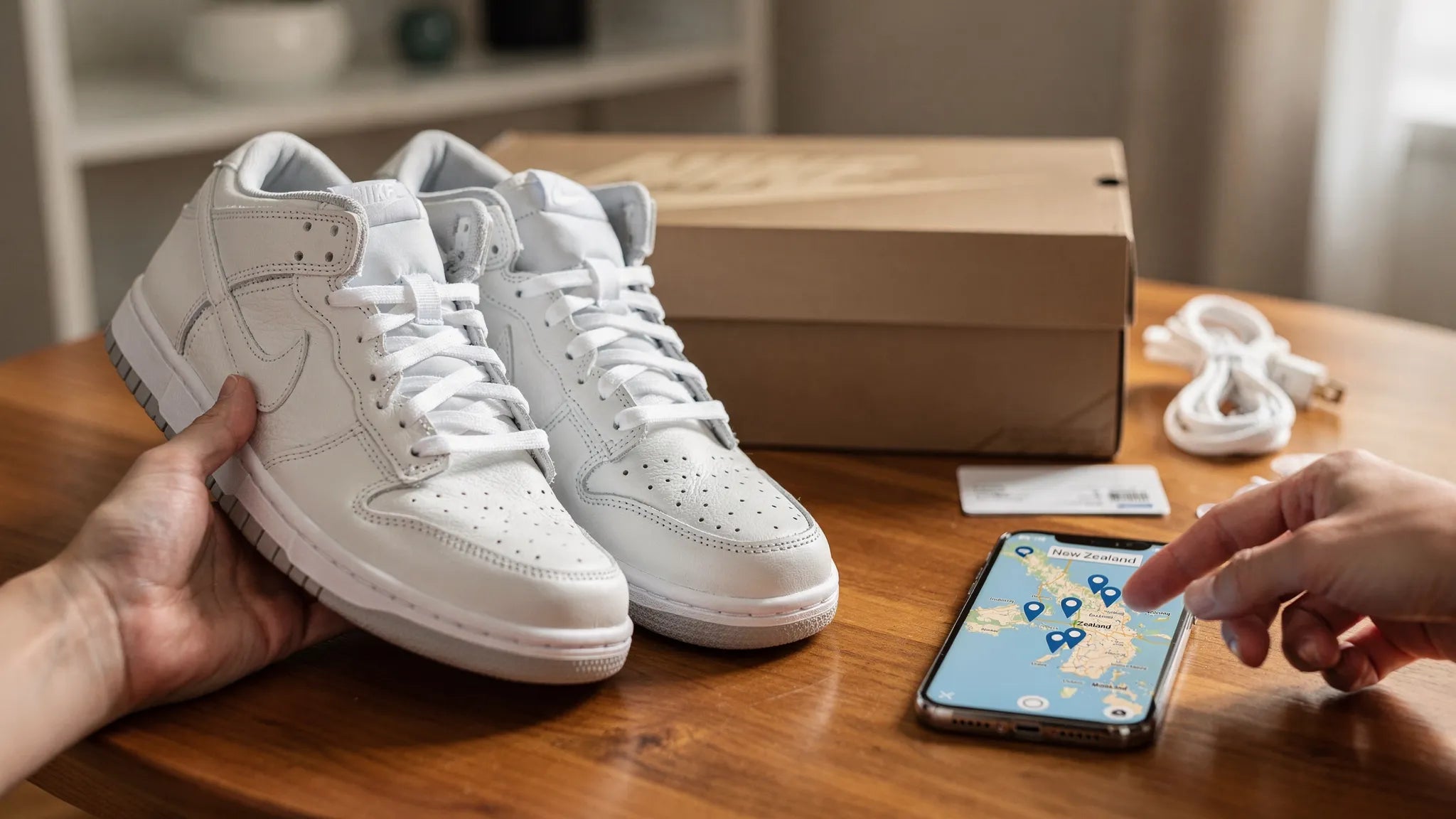
Buying your first pair of resale sneakers feels exciting until you realise how many ways there are to overpay, buy the wrong size, or get caught by a fake listing. Selling can feel just as confusing: what is the pair actually worth, where should you list it, and how do you avoid wasting time with lowball offers?
The good news is that the rules are simple once you slow the process down. Whether you are chasing Jordans, Dunks, Yeezys, New Balance, ASICS, or limited edition sneakers, the smartest beginners in NZ do three things well: they verify the product, calculate the full cost, and keep proof of everything.
This guide gives you a beginner-friendly framework to buy and sell sneakers in NZ with less stress, fewer mistakes, and better long-term value.

Start with the right mindset: not every pair is a grail
The biggest beginner mistake is treating every hyped sneaker like an investment. Some pairs rise, some sit, and some lose value once demand moves on. A smart sneaker buyer should separate three goals before spending money:
- Wear pairs: Sneakers you actually want to use, so comfort, sizing, and easy styling matter most.
- Collection pairs: Sneakers you want to keep clean, complete, and meaningful in your rotation.
- Resale pairs: Sneakers you buy or sell based on market demand, condition, size, and timing.
A pair can fit more than one category, but your main goal should decide your budget. If you are buying your first Air Jordan 4 to wear every weekend, you should not judge it the same way as a deadstock collaboration you plan to store.
For beginners, the safest path is to buy fewer pairs, buy better pairs, and only sell once you understand what affects value.
Rule 1: Confirm the exact sneaker before comparing prices
Sneaker names can be messy. A listing might say “Jordan 1 Chicago” even when the shoe is a Low, Mid, Reimagined, GS sizing, or a different year entirely. Small details can change value by hundreds of dollars.
Before buying or selling, identify the exact pair using:
- Model name and silhouette, such as Air Jordan 1 High OG, Nike Dunk Low, Yeezy Slide, or New Balance 550.
- Colourway name and release year.
- SKU or style code from the box label and size tag.
- Size type, including men’s, women’s, grade school, toddler, or UK sizing.
- Condition, including new, used, new without box, or missing accessories.
The SKU is one of the most useful checks because it helps you compare the right product. If the box label, size tag, and online references do not match, slow down. It may be a harmless box swap, but it could also be a warning sign.
If you are buying Jordans specifically, read the BigBoiSneakers guide on how to buy authentic Jordans online in NZ for a deeper model and authenticity workflow.
Rule 2: Use sold prices, not wishful listing prices
A sneaker is not worth what someone lists it for. It is worth what buyers are actually paying for a similar pair in similar condition.
When checking value, look at recent sold prices across local marketplaces, reputable resale platforms, and completed sales where possible. Asking prices can be inflated, especially for rare sizes or older colourways. Sold comps show real demand.
For NZ buyers, the number that matters is not just the sticker price. It is the full landed cost.
| Cost to check | Why it matters for NZ buyers and sellers |
|---|---|
| Product price | The visible price is only the starting point. |
| Shipping | NZ domestic shipping is usually simpler than overseas shipping, but still affects value. |
| Currency conversion | Overseas listings may look cheaper until converted into NZD. |
| GST, duty, and import fees | Overseas purchases can become more expensive once NZ charges are included. |
| Platform fees | Sellers need to understand what they will actually receive after fees. |
| Payment fees | Currency and card fees can quietly reduce profit or increase cost. |
| Condition discount | Worn sneakers, missing boxes, or damaged uppers should be priced differently from deadstock pairs. |
For overseas purchases, check current import guidance from New Zealand Customs before assuming a deal is cheap. Customs rules and thresholds can affect the final price, especially on higher-value pairs.
Rule 3: Choose the buying channel that matches your risk tolerance
There is no single best place to buy sneakers. The right channel depends on whether you value price, speed, local support, or access to rare pairs.
| Buying channel | Best for | Main risk |
|---|---|---|
| NZ sneaker store | Authentic sneakers, easier local shipping, simpler support | Popular sizes can sell quickly |
| Brand or authorised retailer | Retail releases and standard pairs | Limited drops may sell out fast |
| Specialist resale platform | Sold-out pairs and global inventory | Shipping, fees, and returns can be more complex |
| Local marketplace | Used pairs and negotiation | Higher fake and condition risk |
| Social media groups | Community deals and local finds | Requires strong seller vetting |
If you are new, start with trusted retailers and clear product pages before moving into private deals. A reputable sneaker store NZ buyers can contact, review, and compare is less stressful than sending money to an unknown seller with blurry photos.
BigBoiSneakers offers authentic sneakers, streetwear, collectibles, secure payment options, detailed size guides, customer reviews, and NZ shipping options. It is a practical starting point if you want to buy sneakers online in NZ without learning every resale risk the hard way.
For more detail on safe sites, see Authentic Sneaker Sites NZ Buyers Can Trust.
Rule 4: Treat authentication as a process, not a vibe
Beginners often ask, “Does this look real?” That is a start, but it is not enough. Good fakes can look convincing in one photo. Authentication is a process of checking multiple signals together.
Ask for clear photos of the sneakers, box, label, size tag, outsole, stitching, heel shape, logos, insoles, and any spare laces or accessories. Compare the pair with trusted references for the exact SKU and year. Look for consistency, not just one “correct” detail.
Common red flags include:
- Price far below recent sold prices with no believable reason.
- Seller refuses extra photos or proof of purchase.
- Photos are cropped, filtered, or taken from another listing.
- Box label does not match the shoe or size tag.
- Seller pushes urgent payment outside a safer platform.
- The pair has unusual shape, poor stitching, strong chemical smell, or incorrect materials.
No single red flag automatically proves a pair is fake, but several together should make you walk away. If you want a step-by-step legit-check routine, read How to Tell if Your Sneakers Are Real or Fake.
Rule 5: Know your rights before you pay
Buying from a business is different from buying privately. In New Zealand, consumer protections can apply when purchasing from a retailer, including guarantees that goods are of acceptable quality and match their description. You can read more about the Consumer Guarantees Act on the official Consumer Protection NZ website.
Private sales are more limited. If you buy from an individual through a marketplace or social media, your protection may depend heavily on the platform rules, payment method, and evidence you saved.
Before checkout or payment, check:
- Return and exchange policy.
- Shipping timeframe and tracking.
- Whether the seller is a business or private individual.
- Payment protection options.
- Product description, condition notes, and photos.
- Whether the size is listed in US, UK, EU, men’s, women’s, or GS sizing.
For beginners, secure payments and clear policies are worth paying slightly more for. A “cheap” pair becomes expensive if it is fake, the wrong size, or impossible to return.
Rule 6: When selling, condition is everything
If you are selling sneakers in NZ, your job is to remove uncertainty for the buyer. The clearer your listing, the fewer questions you will get and the less room there is for disputes.
Use honest condition wording. Do not call a pair “near new” if the outsole is worn, the heel drag is obvious, or the toe box is creased. Buyers notice these details, and serious collectors care about them.
| Condition term | What buyers usually expect |
|---|---|
| Deadstock or DS | Unworn, usually with original box and accessories. Be careful using this term if the pair has been tried on. |
| New without box | Unworn or effectively unworn, but missing original packaging. Value is usually lower than complete pairs. |
| Tried on | Worn briefly indoors, with minimal signs of wear. Photos should prove this. |
| Lightly used | Some outsole wear, creasing, or minor marks, but still clean and wearable. |
| Used | Clear signs of wear. Price should reflect condition honestly. |
| Beat or project pair | Heavy wear, damage, restoration needs, or missing parts. |
Take photos in natural light if possible. Show both shoes, both sides, toe boxes, heels, outsoles, size tags, box label, and accessories. If there are flaws, photograph them clearly. Trying to hide damage usually creates arguments later.
Cleaning helps, but do not overdo it. Aggressive cleaning can damage suede, strip finishes, or reduce resale value. For material-specific care, see BigBoiSneakers’ guide on how to clean and care for sneakers without ruining resale value.
Rule 7: Price your pair for the market, not your memories
It is normal to feel attached to a pair, especially if it was hard to get. But buyers do not pay extra because you queued for it, paid high shipping, or wore it only on special occasions. They compare your listing with alternatives.
A simple beginner pricing method is:
- Find recent sold prices for the exact sneaker, size, and condition.
- Convert overseas comps into NZD and add realistic shipping where relevant.
- Reduce value for wear, missing box, missing laces, stains, odour, heel drag, or repairs.
- Decide whether you want a fast sale or maximum return.
- Leave a small negotiation buffer, but do not list so high that buyers ignore it.
If you want instant cash, you will usually accept a lower price than you might get in a private sale. If you want the highest possible amount, expect more time, more questions, and more negotiation.
For a deeper breakdown of selling routes, read Stores That Buy Sneakers in NZ: What They Really Pay.
Rule 8: Ship like the buyer might open a dispute
Good shipping protects both sides. For buyers, it reduces the risk of damage or missing parcels. For sellers, it creates proof that the item was packed and sent properly.
If you are selling, pack sneakers in a way that protects the original box. Do not slap a courier label directly on a collectible shoe box. Use an outer shipping box, add padding, and keep the tracking receipt.
For higher-value pairs, consider tracked shipping, signature delivery, and insurance where available. Record a short packing video if the transaction is expensive. It may feel excessive, but it can help if a parcel is damaged or a buyer claims the wrong item arrived.
If you are buying, film the unboxing for expensive purchases. Start before opening the outer box and capture the label, packaging, sneaker box, and shoes. This creates a clear record if something is wrong.
Rule 9: Size mistakes are expensive
Sizing is one of the easiest ways for beginners to lose money. A pair that is half a size too small might sit in your wardrobe, and reselling it can cost you time and fees.
Before buying, check model-specific fit advice. Air Jordan 1s, Jordan 4s, Yeezy Slides, Foam Runners, Nike Dunks, and New Balance lifestyle pairs do not all fit the same. Some run narrow, some feel roomy, and some differ between men’s and women’s releases.
Measure your foot, compare with the brand size chart, and read fit notes before checkout. If you are between sizes, think about sock thickness, foot width, and whether the upper material will break in. Leather may soften slightly, but you should not rely on painful shoes becoming perfect.
BigBoiSneakers provides detailed size guides, which are especially useful when shopping online for unfamiliar models.
Rule 10: Keep records for every pair you care about
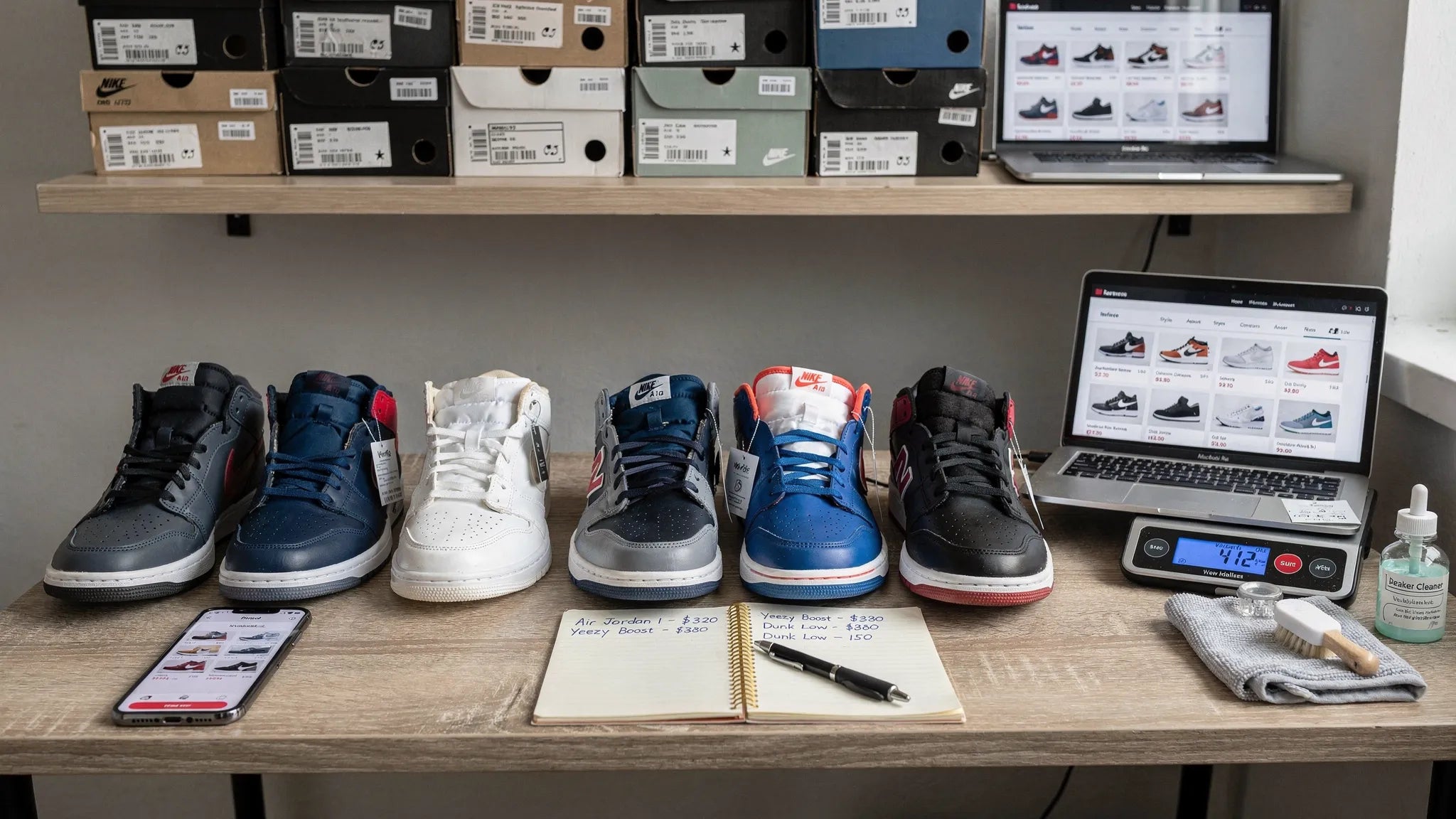
If you plan to build a rotation or collection, track your purchases from the start. It makes selling easier later and helps you learn what your taste and budget really look like.
Keep a simple note with:
- Sneaker name, SKU, size, and release year.
- Purchase date and seller.
- Price paid, including shipping and fees.
- Receipt, order confirmation, or invoice.
- Photos when new and after wear.
- Box and accessory status.
This record is helpful if you later sell the pair, insure valuable items, or compare your spending habits. It also stops you from overestimating what you paid or forgetting missing accessories.
Beginner checklist: before you buy or sell
Use this quick checklist any time you are unsure.
| Situation | Smart beginner move |
|---|---|
| Buying a hyped pair | Verify SKU, compare sold prices, inspect seller history, and use protected payment. |
| Buying from overseas | Convert to NZD and check shipping, GST, import costs, and return difficulty. |
| Buying used sneakers | Ask for outsole, heel, toe box, size tag, and flaw photos. |
| Selling worn sneakers | Clean gently, photograph honestly, disclose flaws, and price against sold comps. |
| Shipping a sold pair | Use an outer box, tracking, and proof of postage. |
| Unsure about authenticity | Walk away or buy from a trusted retailer instead. |
The smartest rule is simple: if the deal only works because you are ignoring a risk, it is not a good deal.
Frequently Asked Questions
What is the safest way to buy sneakers in NZ as a beginner? Start with trusted NZ retailers, authorised sellers, or specialist stores with clear product details, secure payments, shipping information, and customer support. Private marketplace deals can be cheaper, but they require stronger authentication and seller checks.
How do I know what my sneakers are worth? Compare recent sold prices for the exact model, SKU, size, and condition. Adjust for NZ shipping, platform fees, missing boxes, wear, flaws, and how quickly you want to sell.
Are used sneakers worth buying? Yes, used sneakers can be great value if the condition is clearly shown and the price reflects wear. Ask for detailed photos of outsoles, heels, insoles, toe boxes, size tags, and any damage before paying.
Should I buy limited edition sneakers as an investment? Only if you understand the risks. Limited pairs can hold value, but demand changes. Beginners should prioritise authenticity, condition, size demand, and realistic sold prices rather than assuming every hyped release will rise.
What should I do if a sneaker deal feels suspicious? Pause the purchase. Ask for more photos, check the SKU, compare pricing, review the seller’s history, and avoid pressure to pay quickly. If the seller refuses reasonable proof, walk away.
Build your sneaker rotation the smart way
Buying and selling sneakers in NZ does not have to be complicated. Learn the exact model, check real market prices, protect yourself with proof, and be honest about condition. Those habits will save you more money than chasing every hyped drop.
If you want to reduce the guesswork, browse BigBoiSneakers for authentic sneakers, streetwear, collectibles, new arrivals, size guides, secure payment options, and NZ shipping. Start with pairs you actually want to wear, then build your collection with confidence from there.