How to Catalogue Your Collectibles for Insurance in NZ
Knowing how to catalogue your collectibles for insurance in NZ starts with three things: identifying exactly what you own, keeping evidence of ownership and recording a supportable value. A folder of receipts helps, but it may not distinguish a sealed Pokémon box from an opened one or a rare Jordan colourway from a similar release.
A useful catalogue connects each item to photographs, purchase records and dated valuation evidence. It also gives your insurer something specific to review before a theft, fire or other insured event. Creating an inventory does not automatically make every item covered, so checking your policy is part of the process.
Check how your NZ insurance policy treats collections
Before documenting everything in detail, ask your insurer or broker how your collection fits within your cover. Do not assume that ordinary household contents insurance covers every collectible at its current resale price.
Policies can differ in their treatment of collections, valuable items, individual item limits and property kept away from home. An itemised or specified entry may be necessary, but the terminology and requirements depend on the insurer.
Establish whether settlement would be based on replacement cost, market value, an agreed value or another basis defined in the policy. A value written in your spreadsheet is not an agreed insured value unless the insurer has accepted it on that basis.
Also explain how you use the items. Sneakers you wear, cards you collect privately and products held as trading stock may need different treatment. If you regularly buy and sell, describe that activity rather than assuming personal contents cover applies.
The Insurance Council of New Zealand provides general insurance information, but your own policy wording, schedule and written insurer responses determine what applies to your collection.
How to catalogue your collectibles for insurance in NZ
A spreadsheet and a well-organised document folder are enough to get started. A collection app can also work, provided you can export your records and retain the supporting files independently.
Give each item or clearly defined group a permanent reference, such as PKM-001 or SNK-001. Use that same reference in photograph names, receipt files and valuation records.
Copy these fields into your catalogue:
| Field | What to record |
|---|---|
| Item ID | A unique reference that stays with the item |
| Category | Sneakers, sealed Pokémon, single cards, figures or streetwear |
| Exact identification | Brand, product name, release, edition and identifying codes |
| Quantity | Number owned, with separate entries for materially different items |
| Condition | Specific wear, damage, seal condition and packaging condition |
| Purchase details | Date, seller, price paid and original currency |
| Ownership evidence | File names for receipts, order confirmations or other records |
| Current value evidence | Estimated amount in NZD, valuation basis, sources and date checked |
| Storage location | Where the item is normally kept |
| Policy status | Whether the insurer has confirmed cover, limits or specification |
| Supporting files | Links to photographs, certificates and correspondence |
| Last reviewed | Date the entry was checked or updated |
Keep purchase price, estimated current value and insurer-confirmed value in separate fields. They serve different purposes and may not match.
Record the details that distinguish your item
For sneakers, include the model, colourway, style code, labelled size and sizing system. Record whether they are unworn or worn, whether the original box is present and whether accessories such as spare laces are included. Photograph the box label and shoe labels rather than relying on a product name alone.
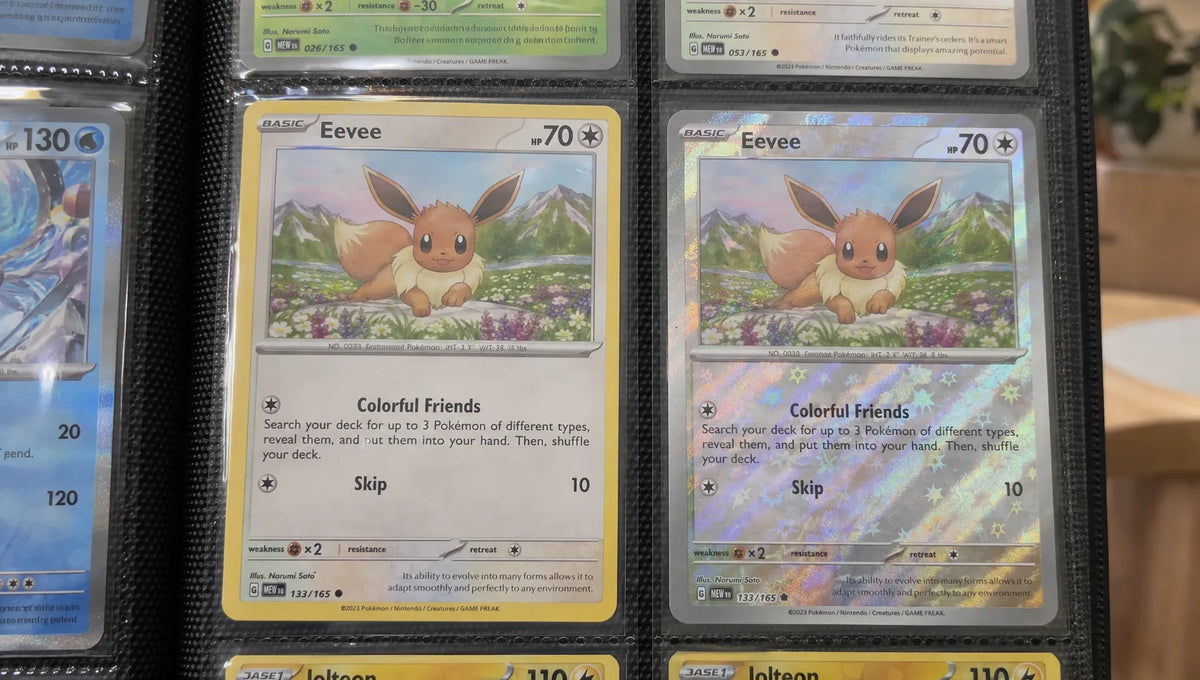
For Pokémon cards, record the card name, set, card number, language and variant. If graded, include the grading company, grade and certification number. For sealed products, identify the set and product type, then describe the seal and any packaging damage.
For figures and streetwear, note the maker, character or design, edition, size, tags and original packaging where relevant. Avoid vague descriptions such as “rare hoodie” or “Pokémon collection”.
A bulk entry may be practical for low-value items, but ask whether your insurer accepts grouped records. Keep higher-value pieces individually identifiable.
Photograph identity, condition and ownership evidence
Take clear photographs of the actual items you own, not screenshots of retailer listings. Start with an overall collection photograph, then capture individual items from enough angles to show their identity and condition.
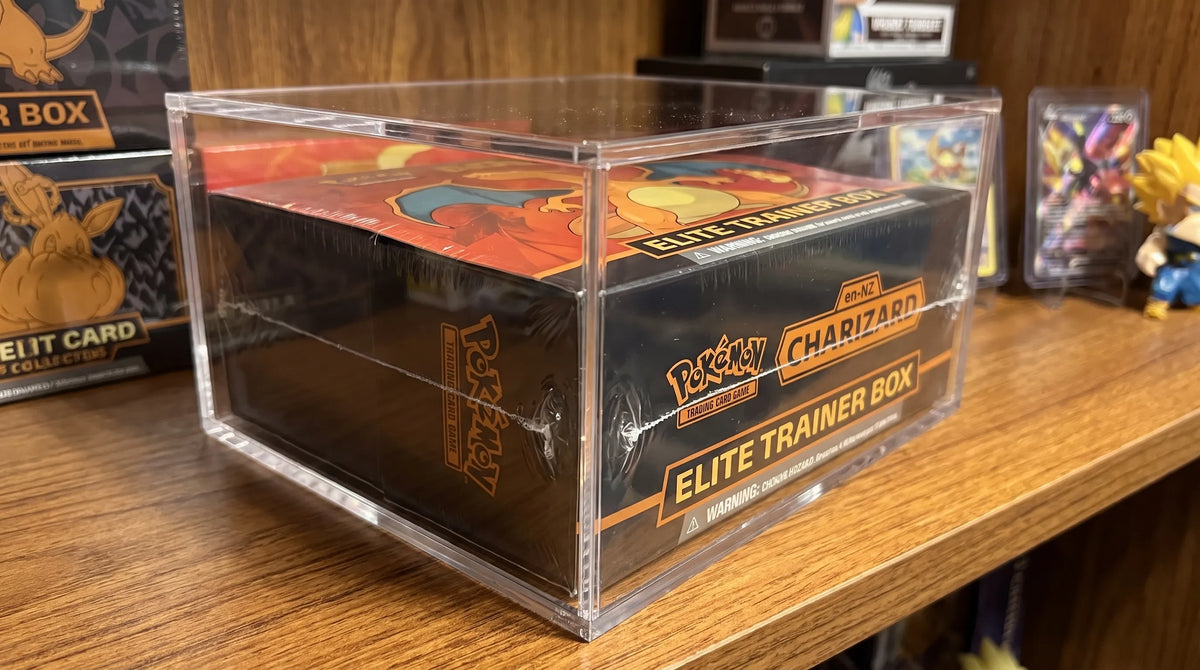
For a sealed Elite Trainer Box, photograph every side, including seals, corners and any tears. For sneakers, include the uppers, soles, size labels, box and existing wear. For valuable cards, capture the front, back and any grading label without removing them from protective holders unnecessarily.
Use consistent file names, such as PKM-001-front and PKM-001-seal. Keep the original images alongside any smaller copies you use in the spreadsheet. Refresh photographs when condition changes.
Receipts and order confirmations connect the item to a transaction. For second-hand purchases, save the listing, seller correspondence and payment record where available. A bank statement alone may show a payment without identifying what was bought.
If an item was a gift or you no longer have its receipt, record that honestly. Retain whatever supporting evidence exists and ask your insurer what else it would require.
Keep authenticity evidence separate from ownership evidence. A receipt does not, by itself, establish authenticity. BigBoiSneakers’ guide to checking the authenticity of Pokémon cards and sealed products explains details worth checking and retaining in your records.
Support values with dated NZ-dollar evidence
Your catalogue should explain where a value came from, not just display a number. Start by confirming which valuation basis your insurer requires.
Where current market evidence is relevant, compare genuinely similar items. A worn pair without its original box is not directly comparable to an unworn, complete pair. The same applies to an ungraded card versus a graded example or a damaged sealed box versus one in excellent condition.
Completed sales can be more informative than ambitious asking prices, but neither automatically determines an insurance settlement. Save the source, date, currency and relevant condition details. Where possible, use several comparable examples rather than one unusually high sale.
For overseas evidence, record the original currency and the exchange rate used to calculate the NZD estimate. Ask your insurer whether reasonable replacement shipping costs, taxes or other charges should be included under your policy rather than adding them by assumption.
Know when to request a valuation
Ask about a professional valuation when an item is particularly valuable, difficult to replace or hard to compare with recent sales. Check who the insurer will accept as a valuer, what the report must contain and how recently it must have been prepared before paying for one.
Keep the full report, not just its final figure. It should be possible to connect the valuation to the exact item in your catalogue. A grading certificate or authentication result may help identify an item, but it is not automatically a current monetary valuation.
Connect your catalogue to storage and protection
Record where each item normally lives, particularly if parts of the collection are stored elsewhere. Tell your insurer about arrangements such as off-site storage, exhibitions or frequent transport and ask whether they affect cover.
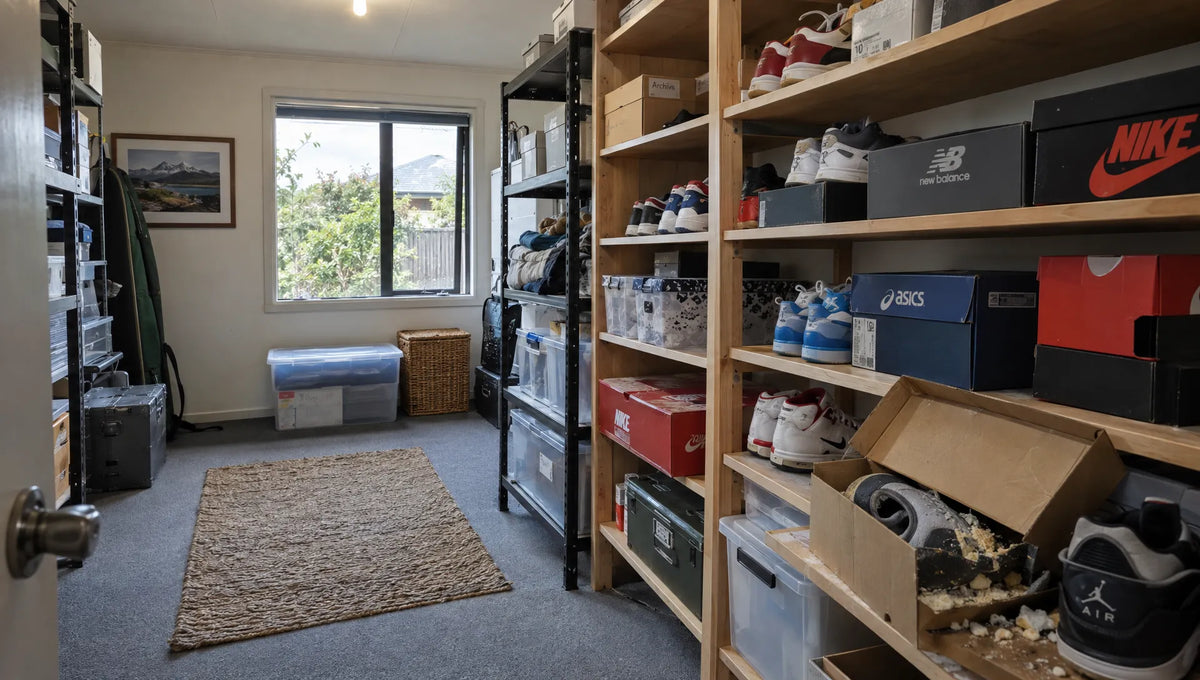
Photograph display and storage arrangements as context, without treating them as a substitute for individual item photographs. Keep the catalogue itself private because it combines descriptions of valuable property with its location.
For an ETB display, the 5mm Acrylic Stackable Display Box, Suitable for Elite Trainer ETB is an option for keeping the boxed product visible within an acrylic enclosure. Photograph the ETB’s own packaging and seals as well as the display arrangement, and record the display box separately if you want to account for that accessory.
Do not assume that an acrylic enclosure provides UV, fire or water protection unless those properties are expressly stated. For broader storage considerations, see the guide to displaying collectibles without damaging them.

Get written confirmation from your insurer
Once the initial catalogue is ready, send your insurer or broker a summary through an appropriate secure channel. Ask how much supporting material they want and whether individual items need to appear on the policy schedule.
Useful questions include:
- Limits: Are there individual item, collection or category limits that apply?
- Valuation: What settlement basis applies, and which valuation evidence will you accept?
- Location: Are items covered away from home, in storage or while being transported?
- Events: How does the policy treat theft, accidental damage and relevant exclusions?
- Changes: When must I tell you about new purchases or increases in value?
Check the applicable excess as well. A collection can be covered while a small loss still falls below the amount you must contribute to a claim.
Retain the insurer’s answers with your catalogue. If cover is changed, check the updated schedule rather than relying only on a conversation. When a response is unclear, ask the insurer to explain it using a specific item from your collection.
Keep records current and accessible after a loss
Update an entry when you buy, sell, trade, open or alter an item. Opening a sealed product changes what you own, so close or amend the sealed entry and document the remaining items appropriately.
Set a regular review reminder, with additional checks after significant purchases or market changes. The frequency should reflect your collection and any insurer requirements, not an assumed universal annual rule.
Keep a secure backup away from the collection’s physical location. A cloud copy and an independently stored export can reduce reliance on one device or app. Protect accounts with strong passwords and multi-factor authentication, and make sure linked photographs and documents are included in your backups.
If you need to claim
Put safety first, then notify your insurer promptly and follow its instructions. Record the affected item IDs, what happened and any available incident details. For theft, follow the insurer’s requirements about reporting to Police.
Where safe, photograph damage before moving or cleaning items. Avoid discarding packaging, opening sealed products or arranging restoration until you have checked what evidence the insurer needs. Necessary emergency action may still be required to prevent further loss, so seek guidance as soon as practical.
A clear catalogue helps you assemble a claim, but it does not guarantee payment or a particular settlement amount.
Frequently asked questions
Do I need a receipt for every collectible? A receipt is useful, but it is not the only possible evidence. Photographs, order records, payment details, gift information and valuations may help. Ask your insurer what it will accept, especially for older or second-hand items.
Should I insure collectibles for what I paid or what they are worth now? That depends on the policy’s settlement basis and the cover agreed with your insurer. Record purchase price separately from current value evidence, then confirm which figure is relevant to your cover.
Does listing an item in a spreadsheet mean it is insured? No. Your catalogue is an evidence tool. Cover still depends on the policy, applicable limits, exclusions and any specification or valuation requirements.
Can I use a collection app instead of a spreadsheet? Yes, provided it captures the necessary details and lets you retain accessible records. Check that you can export both the inventory and supporting evidence rather than depending entirely on the app remaining available.
Start with the items that would be hardest to replace
Catalogue your highest-value or most distinctive pieces first, then work through the rest. Give each an ID, take condition photographs and connect it to ownership and value evidence. Once that first batch is complete, ask your insurer to confirm how those items would be treated before assuming the whole collection is protected.