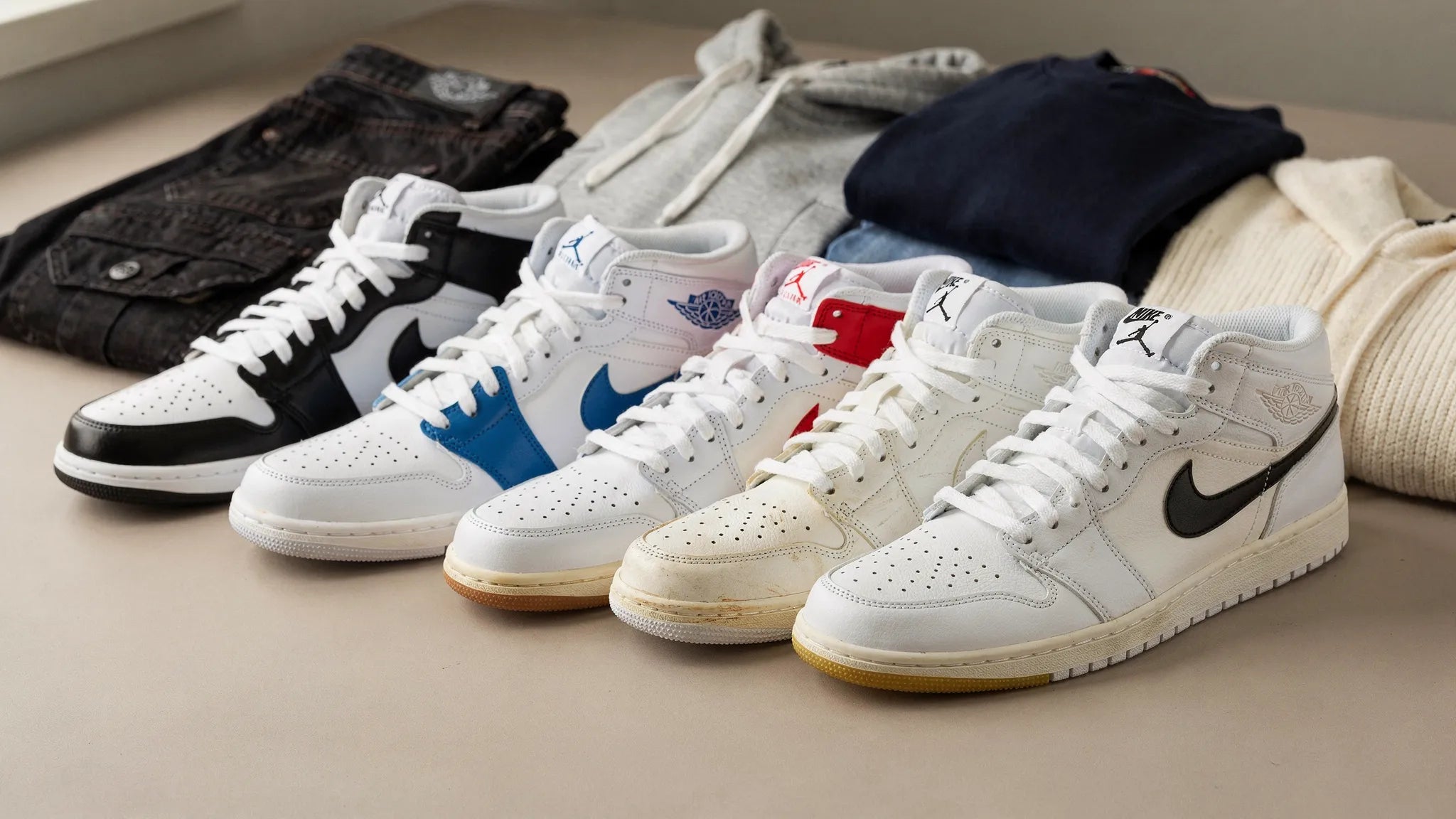
How to Sell Jordans Safely in NZ Without Getting Lowballed
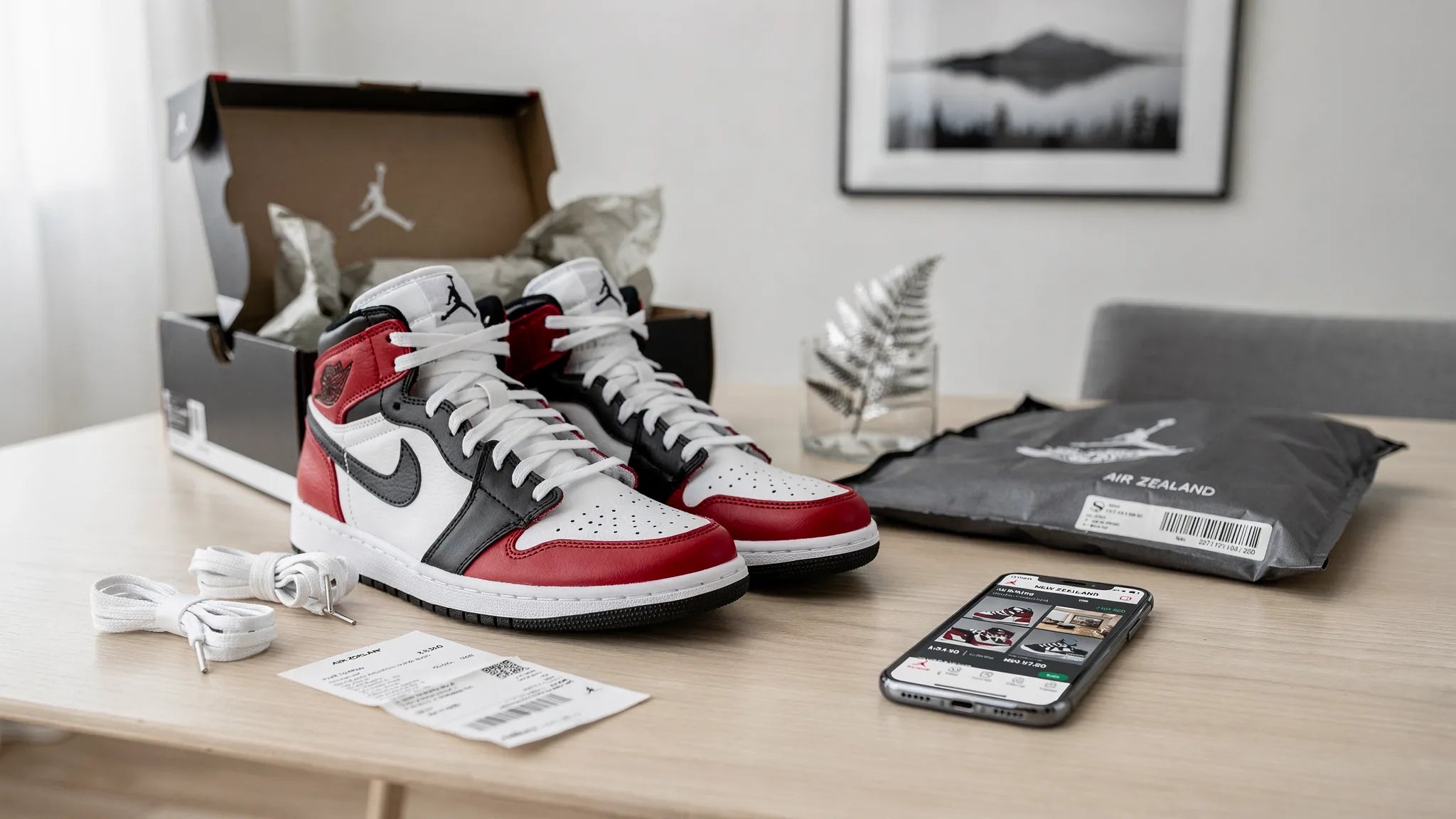
Selling Air Jordans in New Zealand can be straightforward, but only if you remove the two reasons buyers push the price down: uncertainty and urgency. If a buyer cannot confirm the exact release, condition, authenticity, or shipping risk, they will often treat that risk as a discount. If you look desperate to sell, they will test your floor.
The goal is not to squeeze every dollar from every buyer. It is to sell Jordans safely in NZ at a price that makes sense, with clear proof, clean communication, and a process that protects both sides.
This guide gives you a seller-first workflow for pricing, listing, negotiating, meeting, shipping, and walking away when the deal feels off.
Start with your walk-away price
The biggest mistake sellers make is listing a pair with only a wish price. A wish price is what you hope someone pays. A walk-away price is the lowest number you can accept without regretting the sale.
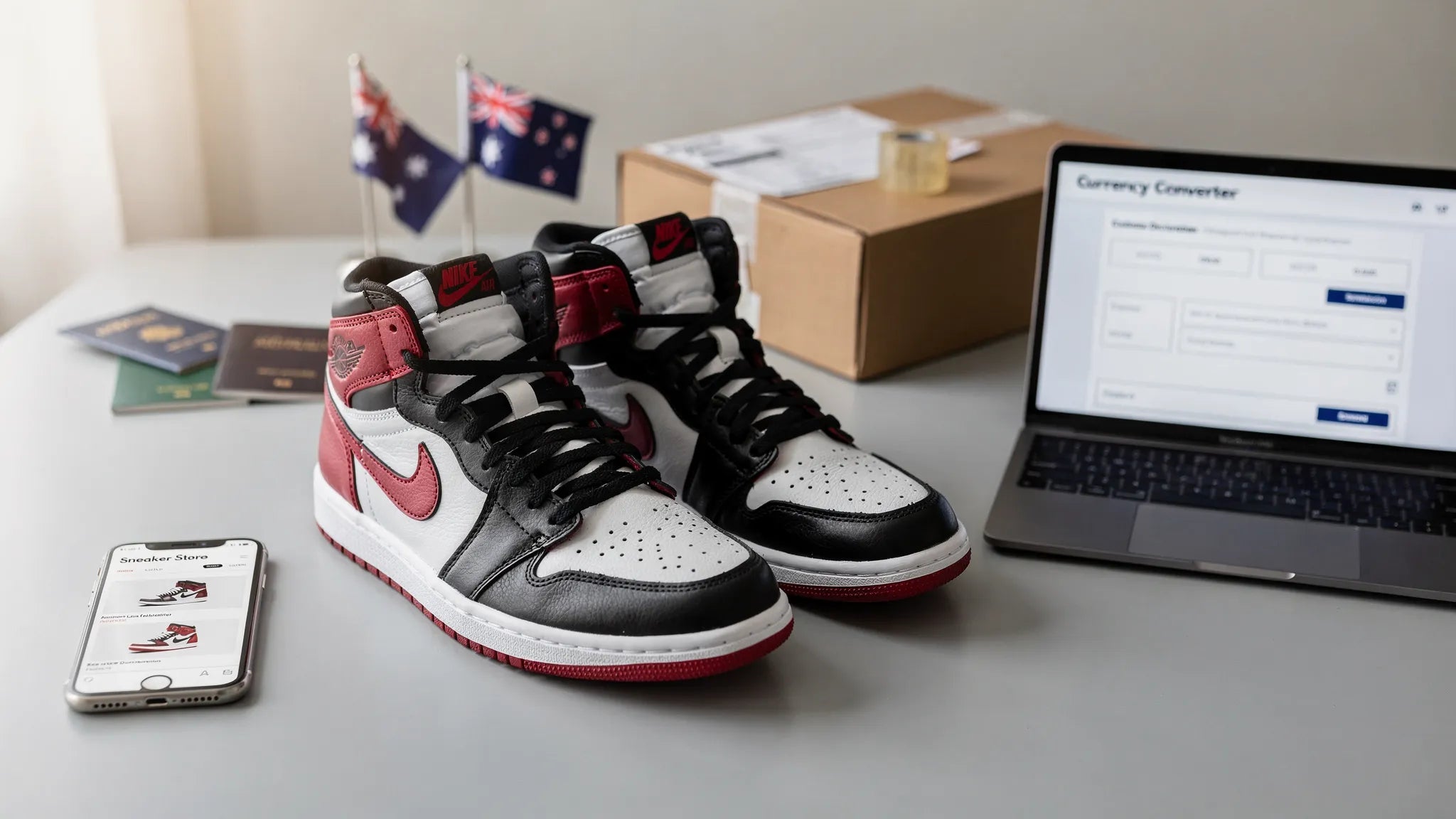
Work backwards from evidence, not emotion. Confirm the exact model name, SKU, size, condition, and inclusions. Then compare recent sold prices, not just active listings. Active listings can be unrealistic. Sold results show what buyers actually paid. For NZ sellers, also think like a local buyer: if they can buy the same pair overseas, what would it cost after shipping, currency conversion, GST where applicable, and waiting time?
A simple pricing framework:
| Pricing input | Why it matters | Seller move |
|---|---|---|
| Exact SKU and colourway | Small name differences can change value | Photograph the box label and size tag |
| Size | Some sizes move faster in NZ than others | Check sold comps in the same or nearby size |
| Condition | Wear, heel drag, creasing and stains affect offers | Grade honestly and show flaws clearly |
| OG all status | Original box, spare laces, tags and receipts support value | List every included item |
| Local availability | Hard-to-find pairs in NZ can justify stronger pricing | Mention local pickup or faster NZ delivery |
| Fees and shipping | Platform fees and courier costs reduce your net | Price based on what you keep, not just sale price |
Your asking price can sit above your floor to leave room for negotiation, but do not set it so high that serious buyers scroll past. If your floor is $420, an asking price around $460 to $490 may invite reasonable offers. If you list at $650 when sold comps are closer to $430, the only messages you get may be time-wasters.
Choose the right selling channel for your goal
No selling option is perfect. The safest channel is not always the fastest, and the highest payout usually takes more work. Pick the channel based on whether you value speed, safety, or maximum return.
| Selling route | Best for | Lowball risk | Safety notes |
|---|---|---|---|
| Trade Me | Reaching general NZ buyers | Medium | Keep messages and payment inside the platform where possible |
| Facebook Marketplace | Fast local interest | High | Expect bargain hunters and use public meetups |
| NZ sneaker groups | Knowledgeable buyers | Medium | Follow group rules and ask for references if needed |
| Consignment | Desirable pairs you are not in a rush to sell | Low to medium | You may wait longer and pay commission |
| Store buyout or trade | Quick exit and less buyer admin | Low direct haggling | Offers are usually below private-sale prices because stores need margin |
| Overseas resale platforms | Rare pairs with global demand | Low haggling | Factor in fees, shipping, FX and authentication timelines |
If your pair is a common Air Jordan 1 Mid or a used GR colourway, a local NZ marketplace may be more realistic than waiting for an international buyer. If it is a high-demand collaboration or older retro with full original packaging, a specialist route may protect value better.
For a broader comparison of selling routes, BigBoiSneakers has guides on stores that buy sneakers in NZ and selling Jordans near you in New Zealand.

Make your listing hard to lowball
Lowball offers often start when your listing leaves gaps. A buyer sees three blurry photos, no size tag, no box label and a vague condition note, then assumes there is a problem. Your job is to remove that excuse.
A strong Jordan listing should include the exact model, SKU, US size, condition, what is included, pickup or shipping options, and your payment terms. Use natural daylight and photograph both shoes from multiple angles. Include outer sides, inner sides, toe boxes, heels, soles, insoles, size tags, box label, spare laces, accessories and any flaws.
Do not hide wear. Heel drag, star loss, sock-liner lint, creasing, suede marks, midsole scuffs and box damage should be visible. Ironically, showing flaws can help you get better offers because it builds trust. Buyers discount harder when they suspect surprises.
If the shoes need cleaning, clean them carefully before photos, but do not overdo it. Harsh cleaning, soaked suede or aggressive repainting can hurt resale value. For material-specific advice, read BigBoiSneakers' guide on how to clean and care for sneakers without ruining resale value.
Use condition terms carefully
Sneaker buyers use condition terms quickly, but sellers often use them too loosely. The wrong term can create arguments later.
| Term | Use it only when | Safer wording |
|---|---|---|
| Deadstock | Unworn, unused, with original packaging as applicable | Unworn, tried on only if that is true |
| VNDS | Very minimal wear with no major flaws | Worn once or twice, see sole photos |
| Used | Visible wear but still wearable | Used, flaws shown in photos |
| No box | Original box is missing | No original box, replacement box or shipped safely |
| Restored | Cleaning, repainting, reglue or repair has been done | Restored details disclosed |
If you are not sure, describe the facts instead of forcing a label. A buyer can argue with VNDS, but it is harder to argue with worn 3 times, light toe creasing, minor heel drag, original box included.
Prove authenticity before buyers ask
Authentication concerns are one of the easiest ways for a buyer to justify a low offer. If you can prove the pair is legitimate upfront, you keep the conversation focused on value, not fear.
Include the purchase receipt if you have it, but do not rely on a receipt alone. Receipts can be missing, transferred or faked. Better proof comes from consistent details across the pair: box label, SKU, size tag, shape, materials, stitching, logos, outsole, insole branding and packaging.
If you bought the pair from a reputable retailer or platform, say where it came from. If you no longer have proof of purchase, be upfront and compensate with detailed photos. Do not say 100 percent authentic unless you are ready to back that claim with evidence.
For deeper checks, read Authentic Jordans: How to Buy Real Pairs Online in NZ. Even though it is written for buyers, the same details help sellers build trust.
Set rules before negotiation starts
Clear rules stop weak offers from controlling the deal. Add a short line to your listing such as price is firm unless collecting today, offers considered above $X, or no holds without payment. Keep it polite. You want to filter unserious buyers, not scare off genuine ones.
When negotiating, do not respond emotionally. A lowball is not personal. Some buyers send the same offer to ten sellers and see who bites. Your strongest reply is calm, short and backed by evidence.
| Buyer message | What it usually means | Strong seller reply |
|---|---|---|
| What is your lowest? | They want you to negotiate against yourself | I am listed at $X and open to sensible offers near that. What are you offering? |
| I can do cash today | They want an urgency discount | I can do $X for pickup today once payment is confirmed. |
| I saw one cheaper overseas | They may be ignoring landed cost | If it is the same SKU, size and condition after shipping and fees, send the sold comp and I will compare. |
| No box, so half price | They are overstating one flaw | The missing box is already reflected in the price. The shoes are priced on condition and current sold pairs. |
| Last offer, take it or leave it | Pressure tactic | I will pass for now, thanks. Happy to talk if your budget changes. |
The best phrase in sneaker selling is I will pass for now. It is polite, final and keeps the door open without chasing the buyer.
Build a price ladder so you do not panic
Before you list, decide three numbers. Your public asking price is the number shown in the listing. Your fair-deal price is the number you would happily accept from a good buyer. Your walk-away price is the minimum after fees, shipping and risk.
For example, if your asking price is $500, your fair-deal price might be $460 and your walk-away price might be $430. If someone offers $300, you do not need to debate. It is below the plan.
A price ladder helps you avoid the common trap of dropping $20 every time someone messages. It also helps you judge trade offers. A trade can be worthwhile, but only if you value the incoming pair at realistic sold prices, not the other seller's asking price.
Protect yourself during local meetups
Local pickup can be fast and avoids shipping disputes, but it needs structure. Meet in a public, well-lit location, ideally during the day. Bring someone with you if the pair is valuable. Do not invite unknown buyers to your home for high-value sneakers, and do not let the shoes leave your sight during inspection.
Payment should be confirmed before handover. If using bank transfer, check your own banking app. Do not rely on screenshots, email confirmations or pressure that the payment will clear later. Cash can be simple, but count it discreetly and be aware of counterfeit-note risk for large amounts.
If the buyer wants to inspect the shoes, that is normal. Give them time to check the pair, but set boundaries. No trying them on outside, no walking away to show a mate, no taking them to a car before payment.
For general scam awareness in New Zealand, Consumer Protection NZ's Scamwatch is a useful place to review common warning signs.
Ship like the sale might be disputed
Shipping is where many sneaker sales go wrong. The buyer claims the box arrived crushed, the pair was not included, or the condition was different. You cannot remove all risk, but you can document the process.
Before shipping, take timestamped photos or a short video showing the shoes, box, accessories, condition, packaging and address label. Use a strong outer box, not just the original shoebox. Add padding so the Jordan box does not move around. Choose tracked shipping, consider signature on delivery for higher-value pairs, and keep the receipt.
Agree in writing who pays shipping and what happens if the courier delays the parcel. If you are sending between islands or to a rural address, price the courier properly before accepting the offer. Guessing shipping costs is an easy way to lose money.
Watch for common seller scams
Not every scam targets buyers. Sellers get targeted too, especially with high-demand Jordans.
Be cautious if a buyer offers more than your asking price and asks you to refund the difference to a courier or third party. Be suspicious of fake payment emails claiming funds are held until you upload tracking. Avoid buyers who refuse normal platform processes, pressure you to ship immediately, or ask you to change the declared item details.
A safe buyer should be comfortable with clear photos, written terms, tracked shipping, proper payment and reasonable timing. If someone makes a simple sale feel complicated, walk away.
Put the final agreement in writing
Before taking payment, send a short transaction summary in the chat. Include the model, size, condition, included items, agreed price, payment method, pickup or shipping plan, and any known flaws. This protects both sides because expectations are clear.
For private sales, phrases like sold as seen or final sale can help set expectations, but they do not excuse misleading descriptions. If the shoes have sole separation, odour, repainting, replacement insoles or missing accessories, disclose it before the buyer pays. Honest disclosure reduces disputes and protects your reputation in the NZ sneaker community.
If you sell regularly as a side hustle rather than as an occasional wardrobe clear-out, keep records of purchases, sales, fees and shipping. Regular reselling can create tax and business obligations, so it is worth getting advice if you are moving volume.
When accepting a lower offer makes sense
Avoiding lowballs does not mean never discounting. Sometimes a lower offer is the right deal.
A lower offer can make sense when the buyer is local, payment is immediate, the pair has been sitting for weeks, the size is slow-moving, or the condition issue is genuinely limiting demand. It can also make sense if you are selling to fund a pair you will actually wear.
The key is choosing the discount yourself. If you planned for a quick-sale price, accepting it is strategy. If you drop below your floor because a stranger keeps messaging, that is pressure.
Quick pre-sale checklist
Use this before you list or accept an offer:
- Confirm exact model, SKU, US size and colourway.
- Check recent sold prices, not only active listings.
- Set asking price, fair-deal price and walk-away price.
- Photograph box label, size tag, soles, heels, toe boxes and flaws.
- Disclose missing box, replacement laces, repairs, odour or damage.
- Keep payment and deal terms in writing.
- Do not hand over or ship until payment is confirmed.
- Use tracked shipping and document packaging.
- Walk away from pressure, fake payment proof or courier refund requests.
Frequently Asked Questions
What is the safest way to sell Jordans in NZ? The safest route is usually a platform or process that keeps messages, payment evidence and shipping records clear. For local sales, meet in public and confirm payment before handover. For shipped sales, use tracked courier, signature for valuable pairs and full packaging photos.
How do I know if a Jordan offer is too low? Compare the offer with recent sold prices for the same SKU, size and condition, then subtract realistic fees, shipping and any urgency discount. If the offer is below your walk-away price and the buyer provides no strong evidence, it is probably too low.
Should I accept less if I do not have the original box? Usually yes, but it depends on the pair. Missing the original box matters more for collectors, collaborations and higher-value retros. For everyday used pairs, condition may matter more than the box. Price it honestly rather than accepting an extreme discount.
Is bank transfer safe for selling sneakers? It can be, but only once you confirm the money has arrived in your own account. Do not hand over Jordans based on screenshots, emails or claims that the transfer is pending. For high-value sales, consider whether a platform with payment protection is more appropriate.
How do I stop buyers from asking what is your lowest? Set a clear asking price and reply by asking them to make a reasonable offer. You can say, I am open to sensible offers near the listed price. What are you offering? This stops you from bidding against yourself.
Can I sell worn Jordans for good money? Yes, if the model has demand and the condition is honestly shown. Clean, well-photographed used Jordans with clear flaws often sell better than vague listings that pretend wear does not exist.
Selling to upgrade your rotation?
Selling Jordans safely is about control: know your price, prove your pair, document the deal and do not let urgency set the number. Once the sale is done, put the money into something you actually want to wear or collect.
If you are refreshing your rotation, browse BigBoiSneakers for authentic sneakers, streetwear and collectables available to NZ buyers. You can also keep learning with guides like How to Buy Air Jordan 1 Retro High OG Without Overpaying and Nike Jordans Online: How to Shop Safely From NZ.