How to Start a Pokémon Sealed Collection in NZ
A sealed Pokémon collection is built around one simple idea: keeping the product unopened so the box, packs, promos and factory seal remain exactly as they were released. For New Zealand collectors, that can be a fun way to combine nostalgia, display value and long-term collecting discipline, especially when popular sets disappear from retail shelves quickly.
But starting a Pokémon sealed collection in NZ is not as simple as buying any box and hiding it in a cupboard. You need to understand product types, condition, storage, seller trust, shipping risk and your own collecting goal. A good sealed collection is intentional. A random pile of boxes is just expensive clutter.
This guide walks through how to start properly, even if you are buying your first Elite Trainer Box, booster box or special collection today.
What counts as a Pokémon sealed collection?
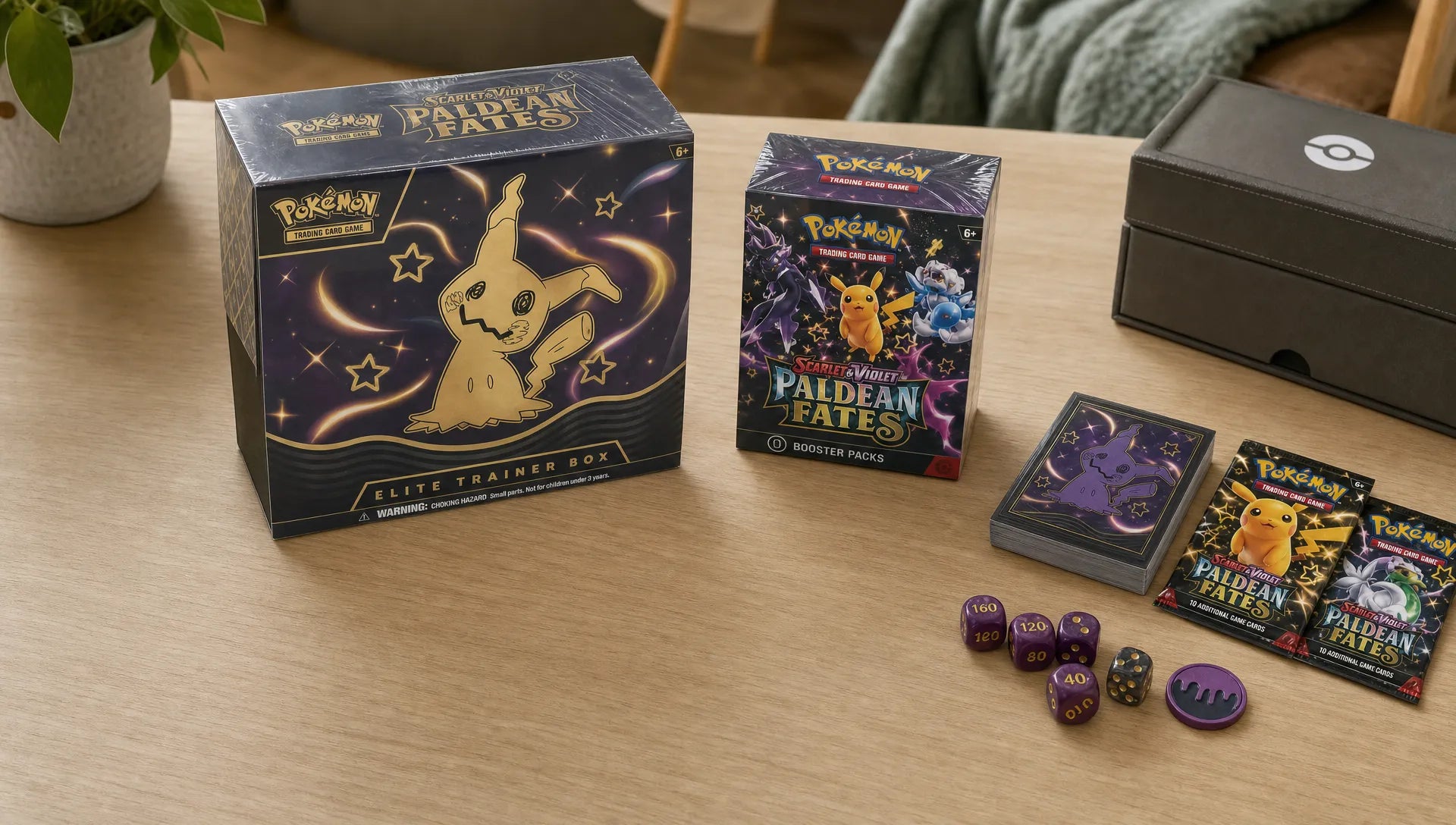
A sealed collection is made up of unopened Pokémon TCG products kept in their original packaging. That can include booster boxes, Elite Trainer Boxes, collection boxes, tins, blister packs, booster bundles, premium boxes and special anniversary products.
The key word is unopened. Once the outer wrap, cardboard, tabs or packs are opened, the item becomes an opened product or loose pack collection instead. That does not make it worthless, but it changes what collectors are buying.
Most sealed collectors care about four things:
- The exact set and product type
- The condition of the box, wrap and seals
- The popularity of the Pokémon, era or artwork
- The confidence that the item is authentic and untampered with
The Pokémon Company’s official TCG site is useful for understanding current product categories and how sets are presented globally, but availability and pricing in New Zealand can vary a lot because of shipping, allocation and local demand.
Start with a collecting goal before you buy anything
The biggest beginner mistake is buying sealed Pokémon products just because they are hyped. Hype can be exciting, but it can also push you into products that do not match your budget, storage space or interests.
Before your first purchase, choose one clear goal. You can change it later, but starting with a theme helps you avoid random buying.
Common sealed collection goals include:
- One product from each modern set: A simple way to document the current era without going too deep into any single release.
- Favourite Pokémon focus: Collect sealed products featuring Charizard, Pikachu, Eeveelutions, Mew, Gengar or another favourite character.
- Elite Trainer Box collection: ETBs are popular for display because they are uniform, colourful and easy to store.
- Booster box collection: Booster boxes are usually more pack-dense and are a classic choice for set-focused collectors.
- Special sets and anniversary products: These can feel more collectible because they often have unique packaging, promos or nostalgic appeal.
- Display-first collection: You buy what looks good on a shelf, not necessarily what has the highest market conversation.
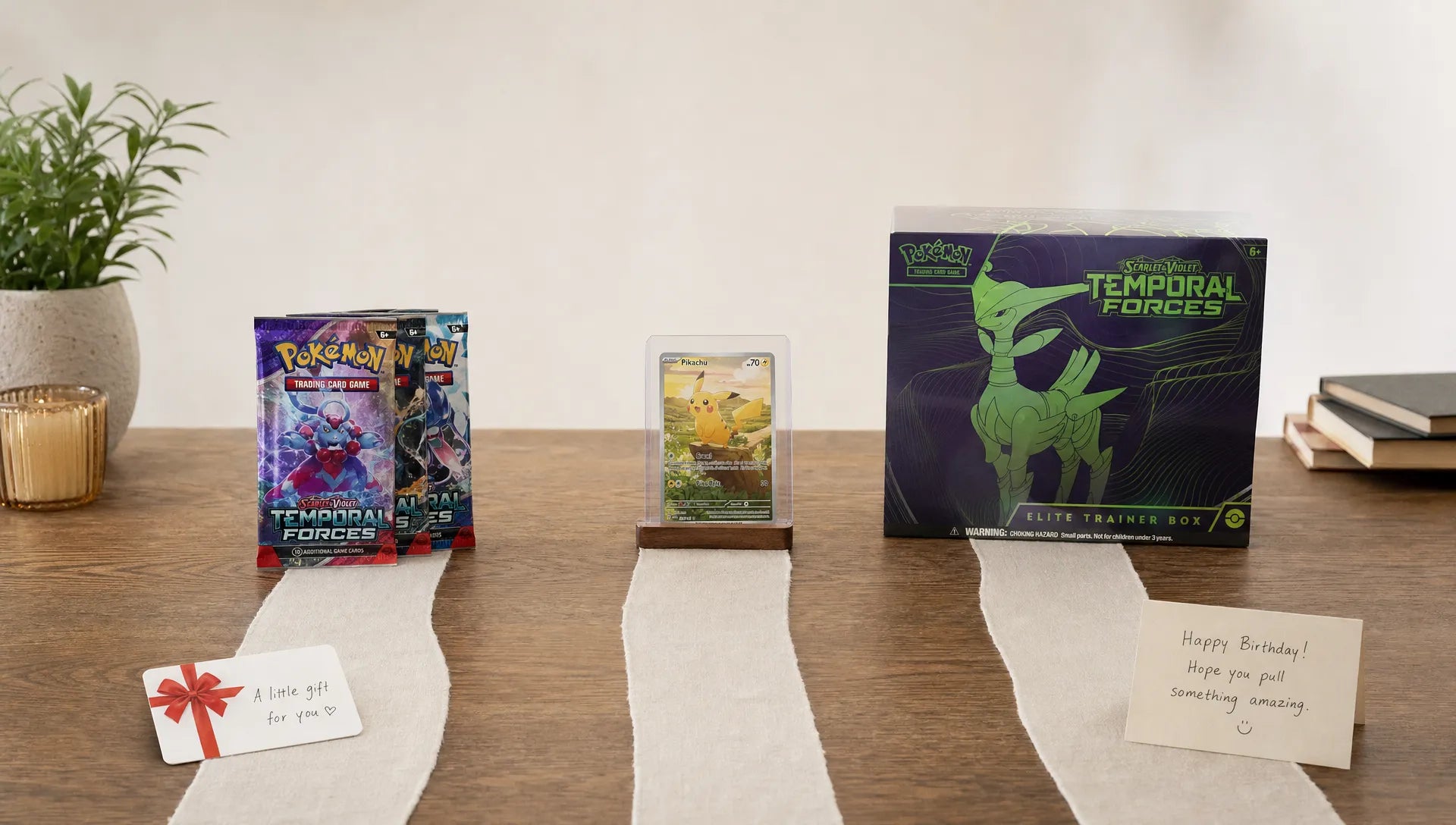
If you are still deciding between singles, sealed products, graded cards and gifts, BigBoiSneakers has a broader Pokémon NZ buying guide for cards, sealed and gifts that can help you compare the main paths.
Pick the right sealed products for a beginner collection
Not every sealed product is beginner-friendly. Some are expensive, some are awkward to store, and some have packaging that damages easily in transit. Start with products that are easy to verify, store and understand.
| Product type | Best for | Beginner notes |
|---|---|---|
| Elite Trainer Box | Display, set collecting, special sets | Easy to stack and display, but box condition matters a lot |
| Booster box | Set-focused collecting, pack quantity | Higher upfront cost, check wrap and seller trust carefully |
| Booster bundle | Compact storage, lower space needs | Less display impact, but practical for smaller collections |
| Collection box | Promo collectors, favourite Pokémon | Large boxes can be harder to store and easier to dent |
| Tin | Character collecting, display | Can scratch or dent, so inspect condition closely |
| Sleeved booster | Low-cost entry, artwork collecting | Easy to store, but harder to display neatly in bulk |
For many NZ collectors, an Elite Trainer Box is the easiest first step. It gives you strong shelf presence, sealed packaging and a clear connection to a set. Booster boxes are also popular, but they require more research because the price is higher and reseal concerns can be more serious.
If booster boxes are part of your plan, read a dedicated Pokemon Booster Box NZ English buying guide before buying. English booster boxes, Japanese boxes and special set products can differ in pack counts, shrink wrap style and market expectations.
Understand sealed condition: mint box is not the same as sealed box
A sealed product can still be in poor collectible condition. For sealed collectors, the packaging is part of the item. A crushed corner, ripped wrap, sun fading or dented tin can affect desirability, even if the packs inside are untouched.
When buying online, look closely for:
- Clear photos of the exact item, not just a stock image
- Intact factory wrap or original packaging
- No suspicious glue, uneven seals or lifted tabs
- Corners that are not crushed or heavily whitened
- No water damage, mould, sun fading or smoke smell mentioned
- Packaging that matches the correct product and language
This matters even more in NZ because many products travel long distances before reaching collectors. A box may pass through international freight, local courier networks and multiple storage environments before it reaches you. Good packaging from the seller is not a bonus, it is part of the buying decision.
Buy for authenticity first, price second
Sealed Pokémon collecting attracts scammers because many buyers cannot inspect the packs inside. A deal that is much cheaper than the local market might be a bargain, but it might also be resealed, damaged, counterfeit or not the exact product shown.
For beginners, the safest approach is to buy from trusted retailers and sellers with a clear track record. Use secure payment methods, keep order confirmations, and avoid pressure tactics from private sellers.
Be especially careful with:
- Marketplace listings using only stock images
- Sellers who refuse to provide extra photos
- Prices far below normal NZ market levels
- Products described vaguely, such as “Pokemon box” without set details
- Loose booster packs from unknown sources
- Claims that cannot be verified, such as “guaranteed heavy pack”
For a deeper safety checklist, BigBoiSneakers has a practical guide on how to buy authentic Pokémon cards without getting burned. Even though that guide covers more than sealed products, the same mindset applies: verify the exact item before chasing the cheapest price.
Think like an NZ collector, not a US collector
A lot of Pokémon collecting advice online is written for overseas markets. Some of it is useful, but New Zealand collectors have different realities.
Local supply can be smaller. Shipping can be slower. International purchases may involve currency conversion, GST, customs thresholds, courier risk and return complications. A product that looks cheap from overseas may not be cheap once it lands at your door.
When comparing NZ and overseas options, calculate the true cost:
| Cost factor | Why it matters |
|---|---|
| Item price | The headline price is only the starting point |
| Shipping | Large sealed boxes can be expensive to ship safely |
| Currency conversion | Exchange rates and card fees can change the final price |
| GST and duties | Import costs can affect higher-value orders |
| Insurance | Useful for expensive sealed items, especially internationally |
| Return difficulty | Returning damaged sealed products overseas can be costly |
| Transit risk | Long-distance shipping increases the chance of dents or crush damage |
This does not mean you should never buy internationally. It means you should compare landed cost and risk, not just the sticker price.

Build a simple buying strategy
Once you understand product types and risks, create a strategy you can actually follow. A beginner sealed collection should be sustainable. If every release feels urgent, collecting becomes stressful and expensive.
A simple approach is to divide your budget into three categories.
| Budget category | Suggested purpose | Why it helps |
|---|---|---|
| Core collection | Products that match your main theme | Keeps the collection focused |
| Opportunistic buys | Good deals from trusted sellers | Leaves room for flexibility |
| Opening fund | Packs or boxes you can rip guilt-free | Protects your sealed items from impulse opening |
That last category is important. Many sealed collectors eventually open something because they want the pack experience. There is nothing wrong with ripping packs, but it is better to plan for it. Buying a separate product to open can stop you from cracking the one item you bought for your sealed shelf.
If you know you love opening packs, do not pretend you will suddenly become a strict sealed collector overnight. Start with one or two display pieces and buy separate packs for fun.
Choose sets with personal meaning
There is no perfect first set. Some collectors chase popular chase cards. Others care about box art, favourite Pokémon, nostalgia or the era they started collecting in.
A good beginner question is: “Would I still be happy owning this if the market stopped talking about it?”
If the answer is yes, the product probably belongs in your collection. If the answer is no, you may be buying hype rather than collecting.
Personal meaning can come from:
- A Pokémon you loved as a kid
- A set you opened with friends or family
- Artwork that looks great on display
- A special release you remember hunting for
- A product connected to a game, generation or character you enjoy
This is where sealed collecting becomes more than speculation. A collection with a story is easier to keep and more satisfying to display.
Learn basic sealed storage
Storage is one of the most underrated parts of sealed collecting. New Zealand homes can experience humidity, temperature swings and strong sunlight, depending on region and house design. Cardboard and paper products do not love damp, heat or direct UV exposure.
The Library of Congress notes that paper-based materials are best preserved by reducing exposure to light, heat, humidity and poor handling. Pokémon sealed products are not museum documents, but the same general preservation principles are useful for collectors.
For sealed Pokémon products, aim for:
- A dry indoor room with stable temperature
- No direct sunlight on boxes or tins
- Shelving that does not crush lower items
- Storage away from kitchens, bathrooms, garages and damp cupboards
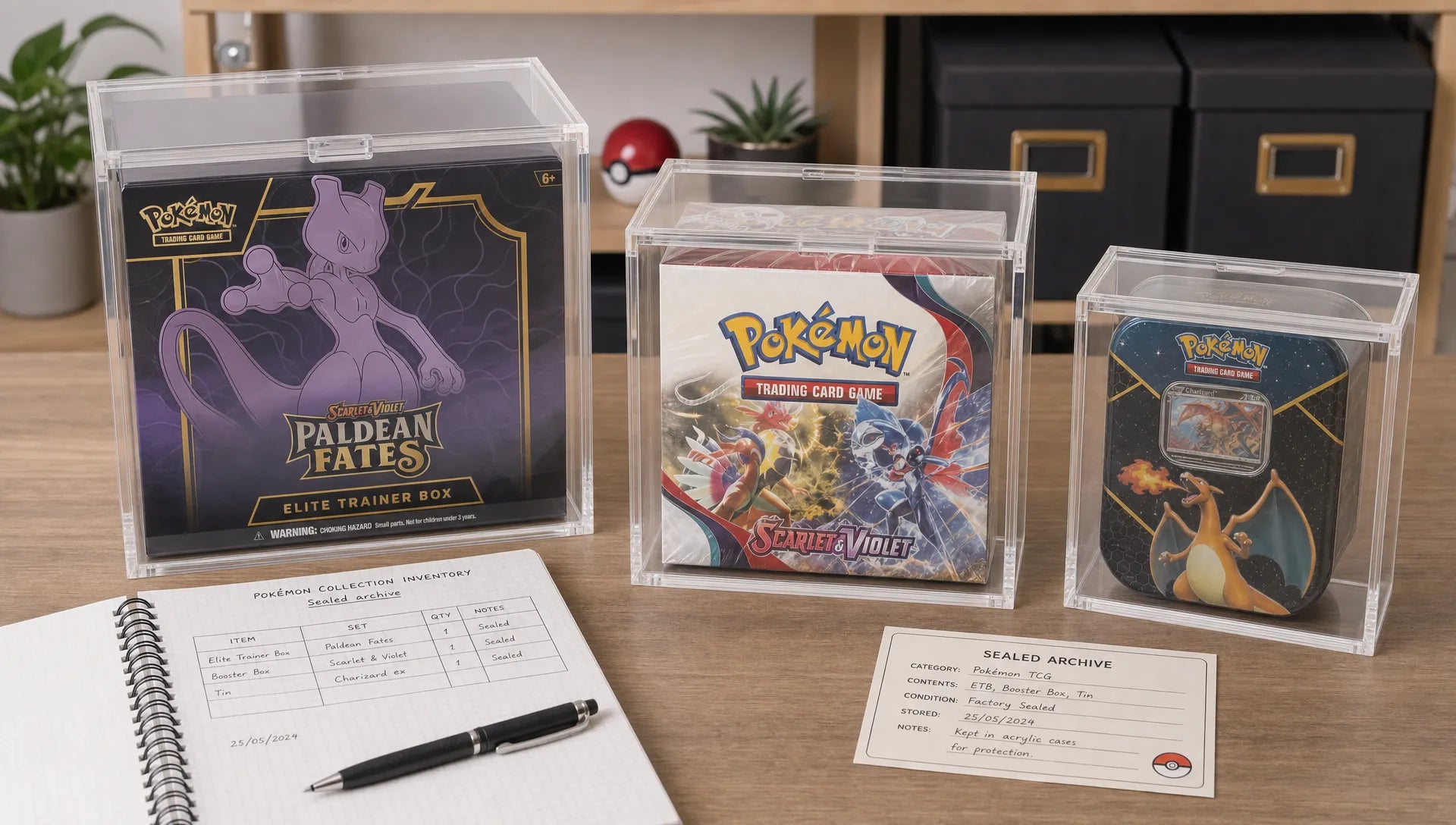
- Protective cases or acrylic boxes for higher-value display pieces
- Clean hands when handling products
- Photos and records of condition when you receive each item
Avoid stacking heavy products on top of collection boxes with plastic windows, as the windows can crease or separate over time. ETBs and booster boxes stack better, but even then, too much weight can soften corners.
If you live somewhere humid, consider using sealed storage tubs and moisture control products, but avoid placing anything directly against the box that could leak, stain or press into the packaging.
Track your collection from day one
You do not need a complicated spreadsheet, but you should record what you own. This helps with insurance, resale, budgeting and avoiding duplicate purchases.
At minimum, track:
- Product name
- Set name
- Language
- Purchase date
- Seller
- Purchase price
- Condition notes
- Photos on arrival
- Storage location
Photos are especially useful. Take pictures of all sides of higher-value sealed products when they arrive. If you ever sell, trade or make an insurance claim, you will have a record of condition and ownership.
A simple spreadsheet is enough for most beginners. Some collectors also keep a physical notebook because it feels more personal and fits the hobby.
Decide what “sealed” means for your standards
Collectors do not all use the same standards. Some are happy with minor shelf wear. Others want near-perfect boxes only. Decide your condition tolerance early, because it affects your budget and buying habits.
Here is a practical grading mindset for sealed products:
| Condition level | What it usually means | Best suited to |
|---|---|---|
| Display quality | Looks clean on shelf with minor flaws | Most beginner collectors |
| Collector quality | Very clean corners, wrap and surfaces | Long-term sealed collectors |
| Investment quality | High-grade condition with strong provenance | Advanced collectors with strict standards |
| Openable condition | Sealed but dented, torn or worn | Buyers who may rip later |
Be honest with yourself. If a dented box will annoy you every time you see it, pay more attention to condition. If you mainly want the packs preserved, small cosmetic flaws may not matter as much.
Avoid common beginner mistakes
Starting a sealed collection is exciting, but the first few purchases often teach the hardest lessons. Most mistakes come from rushing.
The most common beginner mistakes are buying too many products too quickly, ignoring storage space, trusting vague listings, overpaying during hype peaks and opening sealed items because there was no separate rip budget.
Another mistake is collecting only what online influencers mention. Influencers can introduce you to products, but they do not know your budget, your local NZ costs or your personal taste. Use their content for ideas, not instructions.
A strong sealed collection grows slowly. If you miss a product, there will usually be another opportunity. Patience is one of the most valuable skills in the hobby.
How many sealed products should you start with?
You do not need a huge first purchase. In fact, starting small is smarter. A beginner could start with one ETB, one booster bundle and one product featuring a favourite Pokémon. That gives you variety without overwhelming your budget or storage.
A simple first collection could look like this:
| Starter item | Reason to include it |
|---|---|
| One Elite Trainer Box | Strong display piece and easy to understand |
| One booster bundle or sleeved pack set | Compact, lower space commitment |
| One character-focused box or tin | Adds personality to the collection |
| One product to open | Keeps your sealed products sealed |
From there, wait. See what you enjoy owning. Do you like the clean look of ETBs? Do booster boxes feel more meaningful? Do big promo boxes take up too much space? Your first few products should teach you what kind of collector you are.
When should you open sealed Pokémon products?
There is no rule that sealed products must stay sealed forever. You can open anything you own. The point is to make the decision intentionally.
Opening makes sense if the box is damaged, if the product no longer fits your collection, if the ripping experience is worth more to you than keeping it sealed, or if you bought it specifically to open.
Holding sealed makes sense if the item matches your theme, is in strong condition, displays well and would be difficult or expensive to replace in New Zealand.
Before opening, ask yourself one question: “Will I be happy with this decision if I pull nothing special?” If the answer is no, keep it sealed or buy a cheaper product to rip.
Frequently Asked Questions
What is the best Pokémon sealed product to start with in NZ? An Elite Trainer Box is often the easiest starting point because it is display-friendly, recognisable and simpler to store than large collection boxes. Booster boxes are also popular, but they usually require a bigger budget and more careful authenticity checks.
Is sealed Pokémon collecting worth it? It can be worth it if you enjoy the product, the artwork, the nostalgia and the discipline of collecting. It should not be treated as a guaranteed investment. Values can rise or fall depending on supply, demand, condition and future reprints.
Should I buy English or Japanese sealed Pokémon products? Both can be collectible. English products are often easier for NZ collectors to understand and compare locally, while Japanese products can offer different artwork, packaging and release patterns. Choose based on your theme, budget and ability to verify the exact product.
How do I store sealed Pokémon boxes in New Zealand? Keep them in a dry indoor space away from direct sunlight, damp cupboards, garages and heat sources. Use sturdy shelving, avoid crushing boxes with heavy stacks and consider protective cases for higher-value display items.
Can I open part of my sealed collection? Yes. Many collectors keep a sealed shelf and a separate opening stash. This is often the healthiest approach because you still enjoy ripping packs without regretting opening your best sealed pieces.
Start small, buy safely and collect what you actually like
A Pokémon sealed collection in NZ does not need to start with rare vintage boxes or massive purchases. It starts with a clear goal, a trusted seller, a product you genuinely like and a storage plan that protects it.
Focus on authenticity first. Choose products that fit your theme. Track what you buy. Keep condition in mind. Most importantly, collect in a way that still feels fun six months from now.
If you are ready to start or add to your collection, explore Pokémon cards, sealed products, collectibles and more at BigBoiSneakers, where NZ collectors can shop authentic products across sneakers, streetwear and trading card culture in one place.