How to Remove Creases From Sneakers Safely
Creases are part of wearing sneakers, especially on leather toe boxes like Air Jordan 1s, Dunks and Air Force 1s. But there is a big difference between softening a crease safely and cooking the life out of your pair with too much heat.
The goal is not to make a worn sneaker look factory deadstock again. The goal is to relax the upper, restore shape, reduce sharp fold lines and protect the materials so the shoe still looks clean on foot. If you care about resale value, rare colourways or simply keeping your rotation fresh, a careful approach matters.
Below is a safe, step-by-step guide to removing creases from sneakers without damaging leather, suede, nubuck, knit, glue, paint or stitching.
Can sneaker creases be removed completely?
Sometimes, but not always. Light creases in smooth leather can often be reduced dramatically. Deep creases, cracked leather, compressed foam and material that has stretched over time will usually improve, but not disappear.
Think of crease removal as shape restoration. You are encouraging the upper to sit closer to its original form. You are not reversing months of walking, bending and pressure. This is especially important for collectible sneakers, where aggressive DIY methods can cause more harm than the crease itself.
A crease is also material dependent. Full-grain or coated leather reacts differently from suede, nubuck, patent leather, mesh or Primeknit-style uppers. Before trying any method, identify what the creased area is made from.
Before you start, check the material
The safest method depends on the upper. A leather toe box can tolerate careful low heat with a damp towel barrier. Suede and nubuck should not be ironed, because heat and moisture can flatten the nap, stain the surface or create shiny patches. Knit and mesh need shape support rather than heat.
| Sneaker material | Can you use low heat? | Safest crease approach |
|---|---|---|
| Smooth leather | Yes, carefully | Stuff firmly, use a damp towel barrier and short low-heat passes |
| Tumbled leather | Sometimes | Stuff first, use very light heat only if needed |
| Patent leather | No | Stuff and gently reshape, avoid heat that can warp or cloud the finish |
| Suede | No | Brush, stuff and let the fibres relax naturally |
| Nubuck | No | Dry brush, stuff and avoid steam or excess moisture |
| Mesh | Usually no | Stuff evenly and use your hands to reshape |
| Knit uppers | No | Stuff lightly, avoid stretching and do not iron |
| Painted or printed panels | No | Avoid heat, friction and harsh rubbing |
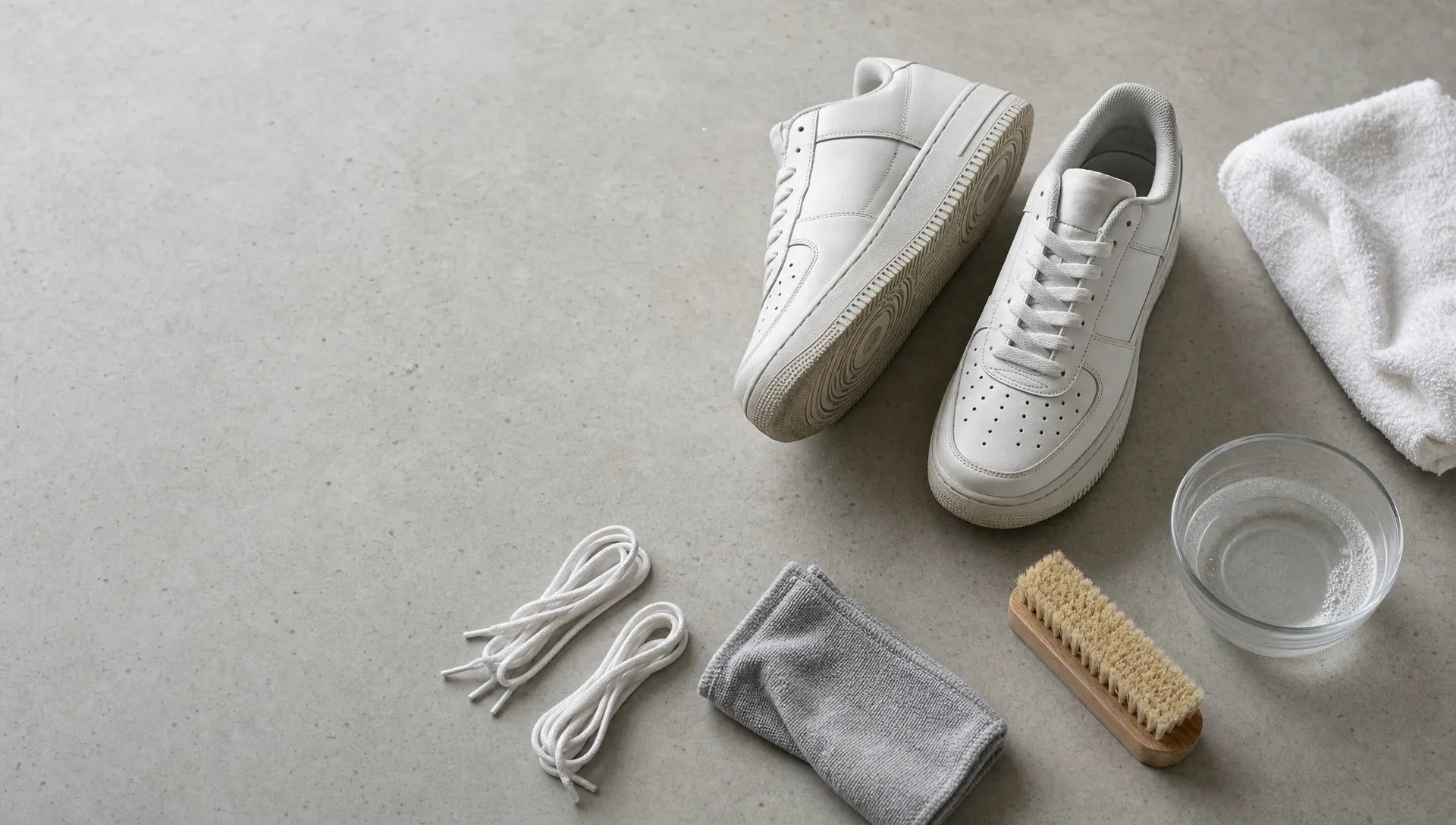
If your sneakers are dirty, clean them before any crease work. Heat can set grime into leather and make stains harder to remove. For a broader care routine, BigBoiSneakers has a dedicated guide on how to clean sneakers without damaging them, which is worth reading before treating valuable pairs.
Start with the safest method: stuffing and reshaping
For most sneakers, the best first step is simple: restore the shape from inside the shoe. Many creases look worse because the toe box has collapsed. Firm, even stuffing can reduce the fold without heat.
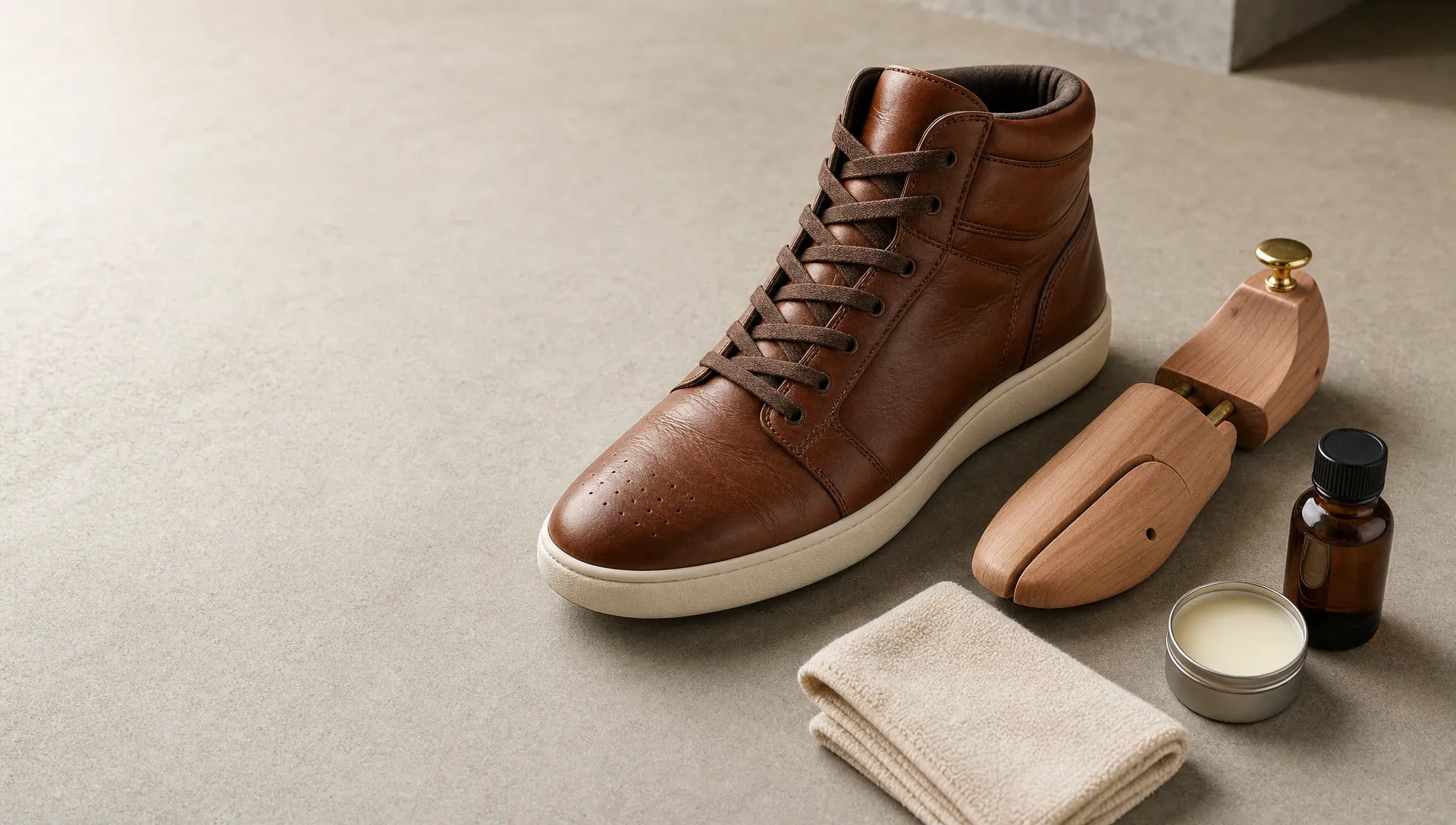
Use a shoe tree, clean socks, acid-free tissue paper or a soft microfibre towel. Avoid newspaper, because ink can transfer, especially if there is any moisture around. The shoe should feel supported from the inside, but not stretched so hard that seams, panels or glue lines are under pressure.
Push the stuffing into the toe box until the creased area lifts. Smooth the upper gently with your fingers. Leave the sneaker stuffed overnight in a cool, dry place. This alone can noticeably improve light creasing on leather, mesh and knit.
For NZ sneaker owners, storage conditions matter. Humidity can soften materials, encourage odour and affect glue over time. After reshaping, keep pairs somewhere dry and ventilated rather than sealed in a damp garage or wardrobe. If you are building a rotation, this guide to storing sneakers properly in NZ’s humid weather is a smart next step.
How to remove creases from leather sneakers with low heat
Use this method only on smooth leather or durable tumbled leather. It is commonly used for leather toe boxes on Jordans, Dunks and similar sneakers, but it should still be done slowly.
You will need a shoe tree or firm stuffing, a clean cotton towel, water and an iron with a low setting. Do not use direct heat on the sneaker. Do not use steam. Do not hold the iron in one place.
First, remove the laces if they are in the way. Stuff the toe box firmly so the crease is lifted from underneath. Lightly dampen the towel, then wring it out well. It should be damp, not dripping. Place the towel over the creased leather.
Set the iron to a low temperature. Press it over the towel for just a few seconds at a time, moving constantly. Check the leather frequently. The warmth should help relax the fibres, while the stuffing keeps the toe box in shape. Repeat in short passes rather than trying to fix the crease in one go.
Once the crease looks softer, stop. Leave the sneaker stuffed until it is completely cool and dry. This cooling period helps the upper hold the restored shape.
The most common mistake is overdoing it. Leather can dry out, paint can lift, glue can soften and finishes can become shiny if you use too much heat. If you are working on an expensive or rare pair, it is better to accept a mild crease than risk permanent damage.

What about Jordan 4s, Yeezys, suede and mesh sneakers?
Mixed-material sneakers need extra care. Jordan 4s, for example, can include leather, nubuck, suede-like panels, mesh, netting, plastic wings and painted midsoles depending on the colourway. A method that is safe on a leather toe box may be risky on another part of the shoe.
If the crease is on leather, use the low-heat method only on that leather section and keep heat away from netting, suede, nubuck, plastic and painted areas. If you are working on a pair of 4s, read this material-specific guide on how to clean Jordan 4s without damaging the materials before doing any restoration.
For suede and nubuck, skip the iron completely. Stuff the shoe to restore shape, then use a suede brush to lift the nap once the sneaker is dry. Brush gently in one direction first, then lightly across the affected area if the fibres need more lift. Avoid water unless you are treating the whole panel properly, because spot moisture can leave marks.
For mesh and knit uppers, focus on even stuffing and gentle hand reshaping. Knit materials are flexible, but they can stretch if overstuffed. Do not iron or steam them, because heat can affect elasticity, adhesives and shape. Yeezy-style knit sneakers are usually better maintained through careful cleaning, correct storage and avoiding pressure marks rather than heat-based crease removal.
Patent leather is another special case. The glossy coating can warp, cloud or crack if heated. If patent leather is creased, use light stuffing and accept that deep marks may be permanent.
Common crease-removal mistakes to avoid
A lot of sneaker damage comes from trying to fix creases too aggressively. Before you bring out an iron, check that you are not making one of these mistakes.
- Ironing directly on the sneaker: Direct contact can scorch leather, melt synthetic finishes or leave shiny marks.
- Using high heat to save time: High heat can dry leather, soften glue and damage paint.
- Steaming suede or nubuck: Moisture and heat can flatten fibres and create uneven texture.
- Overstuffing the toe box: Too much pressure can distort the shape or stress stitching.
- Treating every sneaker the same way: A Jordan 1 leather toe box and a Yeezy knit upper need completely different care.
If you are unsure, test the gentlest method first. Stuffing and patience are safer than heat. On high-value sneakers, professional sneaker restoration may be the better option.
How to prevent creases from coming back
You cannot stop sneakers from creasing completely if you wear them. Feet bend, and sneakers are built to move. What you can do is reduce harsh folding and help the toe box keep its structure.
Crease guards can help on some leather sneakers, especially pairs with roomy toe boxes. They sit inside the shoe and reduce the depth of the bend. The trade-off is comfort, so make sure they fit properly and do not force your foot into an awkward position.
Shoe trees are useful after wear because they help the upper dry in the right shape. Cedar shoe trees can also help absorb moisture, while plastic trees are lightweight and easy to use. For collectible pairs, avoid leaving sneakers crushed in piles or tightly packed boxes.
Fit also matters. Sneakers that are too large can crease more sharply because there is extra material folding at the toe. Sneakers that are too tight can crease under stress and may stretch in awkward spots. If you are buying a new pair, always check sizing carefully before wearing them outside.
For protection beyond crease control, consider building a simple care kit with shoe trees, protector spray, soft brushes and storage bags. BigBoiSneakers covers this in more detail in its guide to the best sneaker accessories to protect your pairs.
Quick guide: best method by sneaker type
| Sneaker type | Best crease fix | Avoid |
|---|---|---|
| Air Jordan 1 leather toe box | Stuffing plus careful low heat with towel barrier | Direct ironing, high heat, soaking |
| Nike Dunk leather toe box | Stuffing plus short low-heat passes | Holding heat in one spot |
| Air Force 1 leather toe box | Firm shoe tree and low heat if needed | Over-wetting leather |
| Jordan 4 mixed materials | Treat each panel separately | Heating netting, suede, nubuck or plastic |
| Yeezy knit uppers | Light stuffing and shape support | Ironing, steaming, overstuffing |
| Suede sneakers | Stuffing and suede brushing | Water spots, steam, direct heat |
| Patent leather sneakers | Gentle stuffing only | Heat, strong pressure, abrasive rubbing |
When should you leave the creases alone?
Sometimes the safest move is to stop. If the leather is cracked, peeling or flaking, heat will not repair it. If paint is already lifting, extra warmth may make it worse. If suede has bald patches, brushing can improve texture but will not bring missing fibres back.
You should also be cautious with rare releases, signed pairs, vintage sneakers or anything you plan to resell. A visible crease may be less damaging to value than a warped toe box, stained suede or lifted midsole.
If a crease only shows when the shoe is off foot, it may not be worth treating. Many sneakers look better worn naturally than over-restored.
Frequently Asked Questions
Can I remove creases from sneakers without an iron? Yes. Firm stuffing with shoe trees, socks or tissue paper is the safest crease-removal method and should always be tried first. It works especially well on light creases and soft toe box collapse.
Is it safe to iron Jordans to remove creases? It can be safe on smooth leather sections if you use low heat, a damp cotton towel barrier and short passes. Do not iron suede, nubuck, mesh, plastic, painted panels or patent leather.
Can I use a hair dryer instead of an iron? A hair dryer can be harder to control because heat spreads unevenly. If you use one on leather, keep it on a low setting, keep it moving and stop as soon as the material warms. Avoid using it on suede, nubuck, mesh or knit.
Do crease guards damage sneakers? Crease guards can help reduce toe box folds, but poor-fitting guards may feel uncomfortable or put pressure on the upper. Choose the right size and remove them if they distort the shoe or hurt your feet.
Can suede sneaker creases be fixed? Suede creases can often be softened by stuffing the shoe and brushing the nap, but they should not be ironed. Deep suede folds may improve, but they may not disappear completely.
Will removing creases improve resale value? Light shape restoration can make sneakers present better, but risky repairs can reduce value. For resale, focus on safe cleaning, correct storage and honest condition rather than aggressive crease removal.
Keep your pairs fresh for longer
Creases are normal, but damage from rushed fixes is avoidable. Start with stuffing, use heat only on suitable leather, and treat each material with care. If you are adding to your rotation, shopping from a trusted sneaker store helps you start with authentic pairs worth protecting.
You can explore authentic sneakers, streetwear and collectibles at BigBoiSneakers, with new arrivals and sought-after releases for sneaker fans in NZ and beyond.