What Does VNDS Mean in Sneaker Listings?
VNDS is one of those sneaker listing terms that looks simple until money is involved. In sneaker listings, VNDS means “Very Near Deadstock”, which usually describes a pair that has been tried on or worn very lightly but is still close to new condition.
The important word is “near”. VNDS does not mean brand new. It is a seller's way of saying the sneakers are almost unworn, with little to no visible wear. That can be a great way to buy limited edition sneakers for less than a deadstock pair, but only if the condition is described honestly and backed up with clear photos.
What VNDS means in sneaker culture
In sneaker culture, “deadstock” usually refers to a pair that is unworn. VNDS sits just below that. A VNDS pair may have been tried on indoors, laced up for photos or worn once for a short period. The uppers should still look clean, the shape should be close to original and the outsole should show minimal signs of contact.
That said, VNDS is not an official grading system. There is no universal rulebook that every seller follows. One seller might use VNDS for a pair worn once inside a house, while another might use it for shoes worn twice to the mall. That gap is why buyers need to judge the actual photos, not just the condition label.
A genuine VNDS listing should usually show:
- Clean or nearly clean outsoles
- Minimal creasing on the toe box
- No major heel drag
- No stains, scuffs or odours
- Insoles and sock liners in excellent condition
- Original box and accessories, if the seller says they are included
If a seller cannot provide close-up photos of these areas, treat the VNDS label as a claim rather than proof.
VNDS vs deadstock, NDS and used sneakers
Condition terms matter because they affect price, buyer expectations and resale value. VNDS is often confused with deadstock, near deadstock and lightly used, but each term suggests a different level of wear.
| Condition term | Common meaning | What buyers should assume |
|---|---|---|
| Deadstock or DS | Unworn, often with original box and accessories | The pair should show no signs of wear, but still verify photos and details |
| VNDS | Very near deadstock, tried on or worn very lightly | Not new, but close to new if honestly described |
| NDS | Near deadstock, lightly worn with some signs of use | Expect more visible wear than VNDS |
| Used or pre-owned | Worn condition varies widely | Judge only by detailed photos, not the label |
| Beaters | Heavily worn sneakers | Usually bought for daily wear, restoration or budget reasons |
If you are comparing VNDS with DS, it helps to understand the stricter expectations around unworn pairs. BigBoiSneakers has a separate guide explaining what deadstock means in sneakers, including common red flags in listings.
The simplest way to think about it is this: deadstock should be unworn, VNDS should be nearly unworn and used should be judged case by case.
Why sellers use VNDS in sneaker listings
Sellers use VNDS because it can protect the value of a pair that is no longer technically new. A sneaker might lose its deadstock status the moment it is worn outside, even once. If the condition remains excellent, calling it “used” can make it sound worse than it is. VNDS gives the seller a middle ground.
For buyers, VNDS can be appealing for three reasons. First, the price is often lower than deadstock. Second, the shoe may still look close to new on foot. Third, rare colourways and sold-out releases can be easier to find in VNDS condition than brand new condition.
The risk is that VNDS can be overused. Some sellers apply it to any pair that still looks decent from a distance. That is especially common in peer-to-peer marketplaces where there may be less accountability than a trusted sneaker store or established resale platform.
How much cheaper should VNDS sneakers be?
There is no fixed discount for VNDS sneakers. Price depends on the model, size, demand, release history, colourway, box condition and how much wear the photos show. A lightly worn general release Nike Dunk may need a noticeable discount to attract buyers, while a rare Jordan or collaboration can still command a high price in VNDS condition.
As a rule, VNDS should usually cost less than a true deadstock pair in the same size and colourway. If the seller is asking deadstock money for VNDS sneakers, the pair needs to be exceptionally clean and the listing should be transparent.
Pay close attention to the type of wear, not just the amount. A little outsole dust may not matter much if you plan to wear the shoes, but deep creasing, heel drag, cracked paint or stained suede can affect both value and long-term appearance.
How to judge a VNDS listing before buying
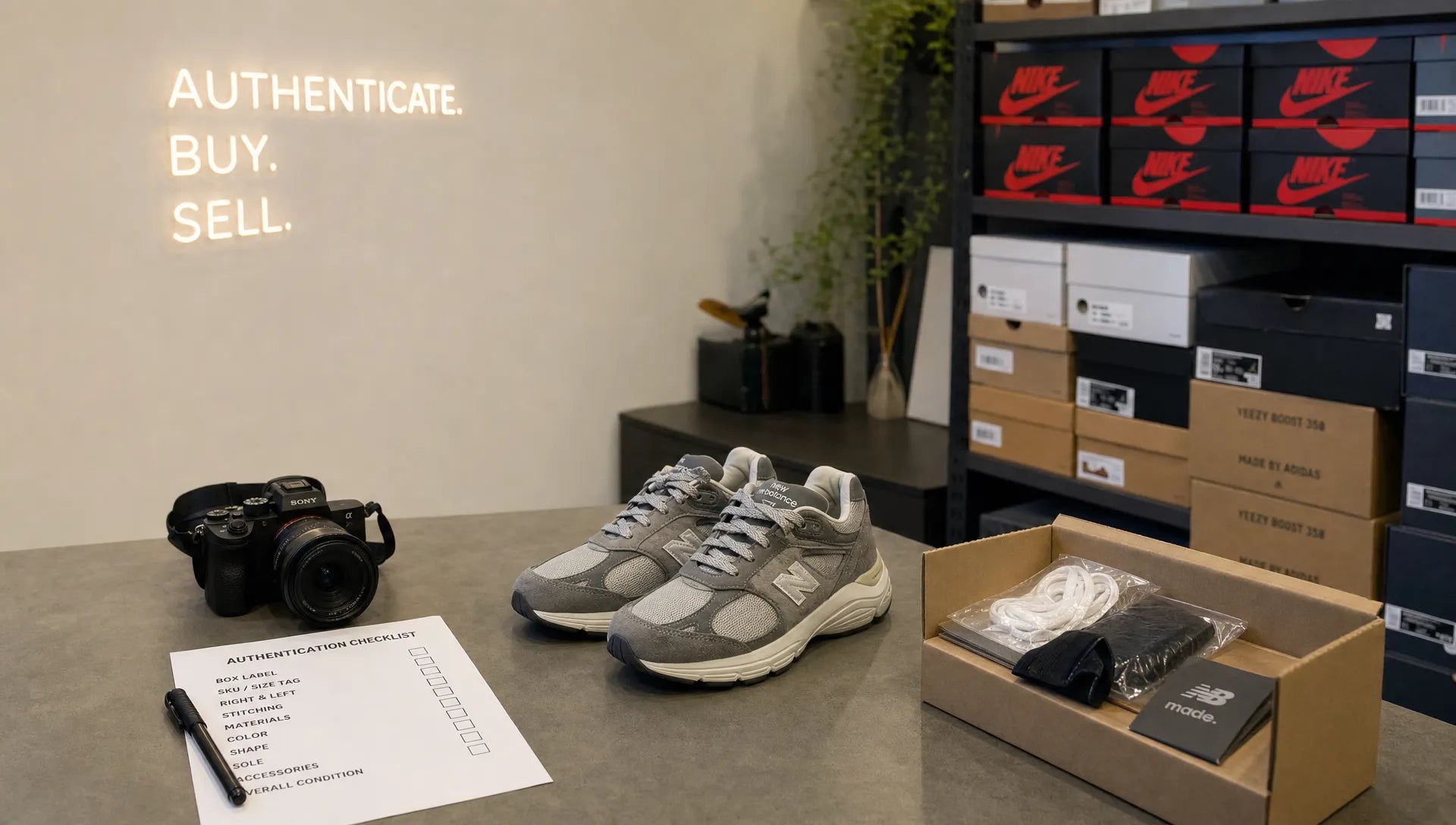
A trustworthy VNDS listing should make the condition easy to verify. If the photos are dark, blurry or taken only from flattering angles, ask for more before you pay.
The most important areas to inspect are the outsoles, heel, toe box, collar, sock liner and midsole. Outsoles reveal how much the pair has actually touched the ground. Heel drag can show repeated wear, even if the uppers look clean. Toe box creasing is especially important on leather sneakers like Air Jordans and Air Force 1s. Sock liner wear can reveal whether the pair was only tried on or actually worn for hours.

Also check whether the listing includes the original box, spare laces, hang tags, receipts or special packaging. These extras can affect resale value, especially for limited edition sneakers and collaborations. A VNDS pair without its original box may still be great to wear, but it should not always be valued the same as a complete pair.
If you are new to sneaker buying, condition is only one part of the language sellers use. The first-time buyer sneaker terms guide is useful if you want to understand terms like OG, GS, DS, VNDS and other common listing shorthand.
Questions to ask before buying VNDS sneakers
A short message to the seller can save you from an expensive mistake. Keep the questions specific, because vague questions often get vague answers.
Ask whether the sneakers have been worn outdoors, how many times they were worn, whether there are any flaws not visible in the photos and whether the original box and accessories are included. If the shoe uses delicate materials like suede, nubuck, patent leather or translucent soles, ask for close-up photos in natural light.
You can also ask whether the pair has been cleaned. Cleaning is not automatically a problem, but heavy cleaning can hide wear in photos. Over-cleaned suede can lose texture, icy soles can still show yellowing and repainted midsoles may crack later.
For higher-value pairs, ask about proof of purchase or authentication history. Receipts are not foolproof and can be faked, but genuine paperwork can add context when combined with consistent photos, seller history and platform protection.
VNDS red flags to watch for
VNDS listings are not automatically suspicious, but some signals should make you slow down.
Be careful with listings that use stock photos only, avoid outsole pictures, show the shoes from just one angle or describe visible wear as “basically new”. Heavy filters can hide yellowing, stains and texture changes. Cropped photos can also hide heel drag or damaged boxes.
Another red flag is a seller who refuses to answer simple condition questions. If someone is asking a premium price for rare sneakers, they should be willing to show the pair properly. A rushed seller who pressures you to pay quickly may not be giving you time to inspect the details.
Price can also be a warning sign. A VNDS pair priced far below market may be a bargain, but it can also indicate undisclosed flaws or authenticity risk. This matters even more when you buy sneakers online in NZ from overseas sellers, where return shipping, customs costs and dispute processes can be more complicated.
Is VNDS worth buying?
VNDS sneakers can be worth buying if you plan to wear the pair and the condition matches the price. Many sneaker buyers prefer VNDS because they avoid paying the deadstock premium for shoes they will unbox and wear anyway.
VNDS can be less ideal if you are buying as a collector, storing the pair long term or hoping to resell it later. Collectors often care about pristine packaging, factory lacing, untouched soles and complete accessories. Once a pair has been worn, even lightly, the buyer pool may be smaller.
For everyday wear, VNDS can be one of the best value conditions. You get the look and feel of a clean pair without paying the highest price for a shoe that is never going to stay unworn once it joins your rotation.
Buying VNDS sneakers in NZ: extra considerations
New Zealand buyers often have to compare local listings with overseas resale platforms. A VNDS pair overseas may look cheaper at first, but the final cost can change once you factor in shipping, currency conversion, duties, GST and the risk of difficult returns.
Buying locally can make condition checks easier, especially if a store provides clear product information, size guidance and a more direct support path. If you are comparing options, the BigBoiSneakers guide on where NZ shoppers find authentic sneakers online breaks down the main buying routes and the trade-offs to consider.
When in doubt, choose transparency over hype. A less flashy listing with clear photos, honest flaws and realistic pricing is usually safer than a too-perfect description with poor evidence.
Frequently Asked Questions
Does VNDS mean brand new? No. VNDS means very near deadstock, so the sneakers may have been tried on or lightly worn. If you want unworn sneakers, look for deadstock or brand new listings and still verify the photos.
Can VNDS sneakers have creases? Yes, but creasing should be minimal. Light toe box creasing can be acceptable for VNDS, especially on leather pairs, but deep creases usually push the condition closer to used.
Should VNDS sneakers come with the original box? Not always. VNDS describes the condition of the shoes, not the completeness of the package. However, the original box and accessories can increase value, so the listing should clearly state what is included.
Are VNDS sneakers good for resale? They can be, especially if the model is rare and the condition is genuinely excellent. Deadstock pairs usually hold stronger collector value, but clean VNDS pairs can still attract buyers who want to wear the sneakers.
How do I know if a VNDS listing is honest? Look for detailed photos of the outsole, heel, toe box, inner lining and any flaws. Ask direct questions about wear history, cleaning and included accessories before paying.
Shop authentic sneakers with confidence
VNDS can be a smart buy when the condition is clear, the price makes sense and the seller is transparent. It is not the same as deadstock, but it can be a practical way to add rare Jordans, Dunks, Yeezys or other sought-after sneakers to your rotation.
If you prefer buying from a sneaker store NZ shoppers can access directly, explore BigBoiSneakers for authentic sneakers, streetwear, collectibles, secure payment options and new arrivals across popular brands.